


More news on this day
Passengers using Manchester Airport are facing fresh disruption as a wave of delays and cancellations affects summer holiday travel, with operational pressures and unsettled weather combining to push back departures and ground some flights.
Get the latest news straight to your inbox!
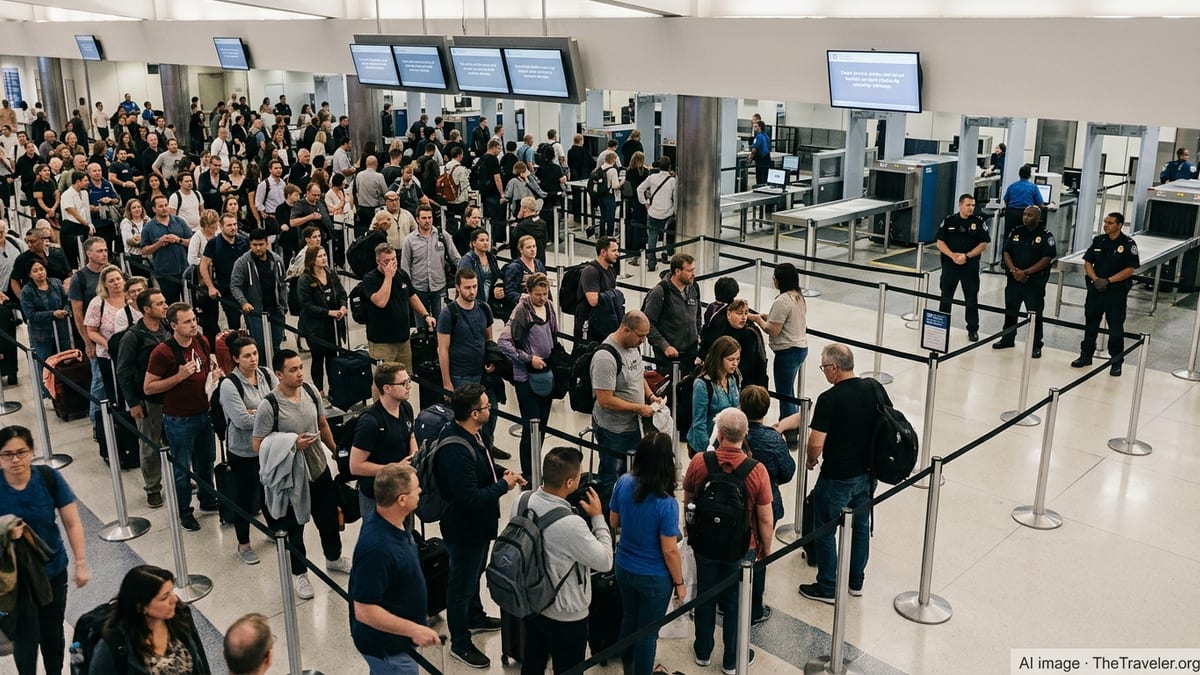
Busy holiday schedules strain operations
Manchester Airport is handling one of its busiest summer periods in several years, and published data indicates that airline schedules are operating close to maximum runway capacity. Industry analyses of European traffic patterns show that when timetables are this tight, even minor disruption can cascade quickly into widespread delays and cancellations as there is little room to re-slot aircraft or crews.
Publicly available performance figures for the wider UK and European network suggest that average departure delays have crept higher since late spring, reflecting a mixture of weather issues, airspace congestion and late-arriving aircraft from earlier legs. Manchester, as a major hub for both short and medium haul services, is particularly exposed to these knock-on effects when connecting flights arrive behind schedule.
Recent coverage ranking UK airports by punctuality and customer complaints has frequently placed Manchester among the more disrupted hubs, with passengers reporting longer queues and increased risk of missed departures. These patterns appear to be continuing into the current peak season, with the latest disruption adding to passenger frustration around reliability.
Operational documents published by the airport show how night-time runway restrictions and maintenance windows can further limit flexibility, especially when traffic has to be concentrated on a single runway for periods of the day. When combined with full holiday schedules, that can make recovery from disruption slower and extend delays well into subsequent days.
Weather and airspace issues compound delays
Across Europe, air traffic control data and airline reporting indicate that convective summer storms and localised weather systems are a significant driver of disruption this season. Thunderstorms along key routes can lead to holding patterns, reroutes and temporary ground stops, which reduce the number of arrivals and departures an airport can safely handle each hour.
Experts note that even when conditions above Manchester itself appear manageable, restrictions elsewhere in the network can affect flights inbound to the airport. If storms sit across common approach or departure corridors, air traffic managers typically reduce flows for safety reasons, which can leave aircraft waiting on the ground at origin airports or circling before landing.
Once schedules begin to slip, airlines may consolidate lightly booked services or cancel selected rotations in order to reset operations, a pattern visible in recent days across several European hubs. Public data on delay causes highlights how weather-related capacity cuts can trigger subsequent cancellations coded as operational or crew-related once duty limits are reached.
The combination of these factors has led to a patchwork of disruption at Manchester, with some flights departing close to on time while others experience extended delays or are removed from departure boards entirely. Travellers have reported particular challenges on evening services, when there is less remaining slack in the system to accommodate late departures.
Routes and airlines most affected
According to recent flight-tracking snapshots and media coverage, short-haul leisure routes from Manchester to popular summer destinations such as Spain, Portugal and the Mediterranean have seen some of the most visible disruption. These services are often tightly scheduled with quick aircraft turnarounds, meaning any delay on the first sector of the day can ripple through subsequent rotations.
Low-cost and holiday-focused carriers, which operate dense point-to-point networks through Manchester, appear to have been particularly exposed when multiple weather systems and airspace constraints hit on the same day. Reports indicate that some airlines have had to delay scores of flights and cancel a smaller number outright when aircraft and crew could not be repositioned in time.
Longer-haul services have been affected more unevenly. Industry news earlier this year highlighted structural changes to transatlantic operations from Manchester, including the withdrawal of certain routes, which has already reduced the number of long-haul options. Where long-range flights are operating, delays can be amplified by crew duty-hour limitations and the need to coordinate with overseas airports that are also experiencing congestion.
Passengers have also flagged issues with missed connections on itineraries that combine Manchester departures with onward flights at major European hubs. When the first leg departs late, connection windows can become unworkable, leading to rebookings or overnight stays, even if the original Manchester delay was relatively modest.
What the disruption means for passengers
Consumer-rights guidance for UK travellers underlines that passengers caught up in delays and cancellations from Manchester may have specific entitlements depending on the circumstances. Under UK and European-style compensation schemes, eligibility can turn on factors such as the length of the delay, the distance of the route and whether the disruption was considered within the airline’s control.
Travel industry advisers note that weather and air traffic control restrictions are generally treated differently from technical or staffing issues when claims are assessed. However, the practical impact for travellers is similar: missed holidays, additional accommodation costs and the need to rearrange connections or ground transport.
Published advice from airlines and aviation bodies consistently urges passengers to check their flight status frequently on the day of travel, as schedules may change at short notice while operators adjust to evolving conditions. At Manchester, where multiple terminals and renovation work can add to walking times, travellers are encouraged by public guidance to allow extra time for airport processes in case security or check-in queues are longer than expected.
With the school summer holidays in full swing, many families are travelling infrequently and may be less familiar with how to respond when disruption occurs. Information from consumer organisations suggests keeping receipts for unexpected expenses and contacting airlines promptly through official digital channels if a flight is cancelled or delayed significantly.
Full list of reported delays and cancellations subject to change
Local and national media have published rolling lists naming flights into and out of Manchester that have been delayed or cancelled during the current spell of disruption. These compilations typically draw on live departure boards and flight-tracking services and are updated throughout the day as airlines adjust their schedules.
Among the services highlighted are multiple short-haul departures to major European holiday airports, as well as a smaller number of inbound flights that have either arrived heavily delayed or been diverted away from Manchester. Some regional domestic connections have also appeared on these lists when aircraft and crew were out of position after earlier disruption.
However, transport analysts emphasise that any list should be treated as a snapshot rather than a definitive record. Because flight status can change quickly as operational decisions are made, the set of affected services in the morning can differ markedly from those listed later in the day. Passengers are therefore advised in public guidance not to rely on historic lists when planning travel, and instead to monitor their specific booking reference and airline updates.
For airport stakeholders, the latest wave of disruption at Manchester underscores ongoing challenges in balancing strong demand for travel with the need for resilience in the face of weather volatility and constrained airspace. As the peak holiday season continues, performance data over the coming weeks will show whether recent measures to improve punctuality at the airport are enough to reduce the volume of future delay and cancellation lists.