


More news on this day
Passengers using Manchester Airport today are being advised to check the live status of their flights, as a fresh round of delays and cancellations affects services across multiple airlines and terminals.
Get the latest news straight to your inbox!
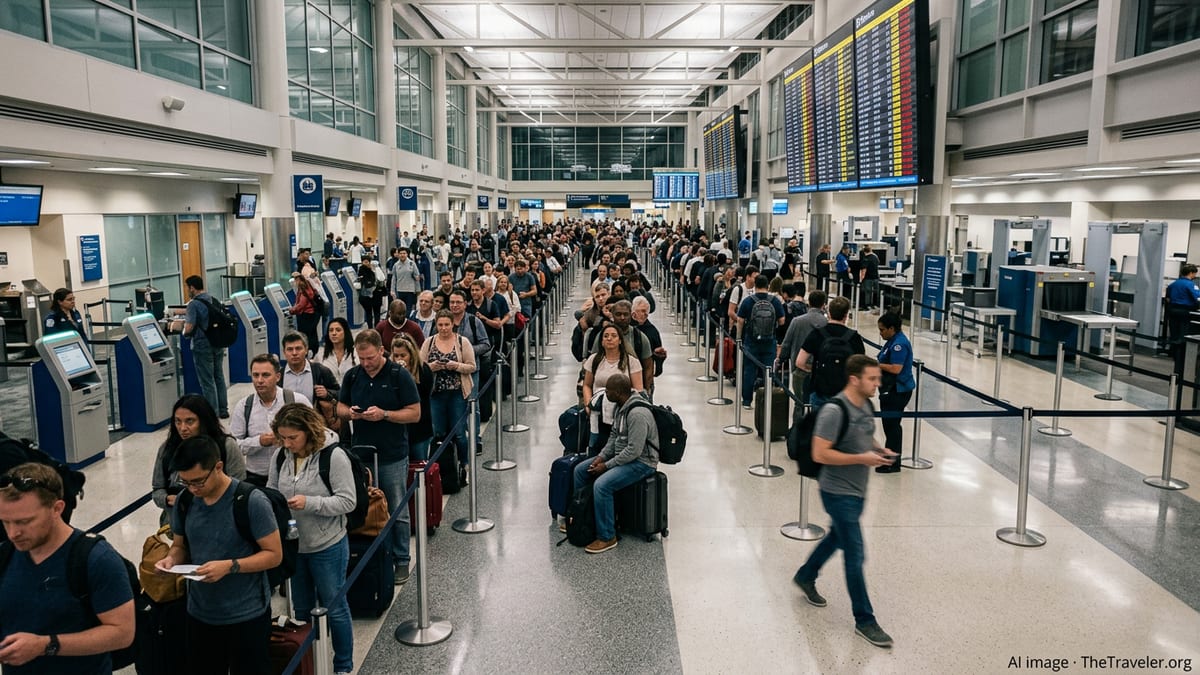
Current disruption across terminals
Publicly available flight tracking dashboards and airport information feeds show a mixed picture at Manchester Airport today, with a number of departures pushed back from their scheduled times and several flights cancelled outright. The disruption is affecting both early morning services and peak daytime waves, creating knock-on delays for later rotations.
Short haul routes within Europe appear to be bearing the brunt of schedule changes, although some long haul services have also been affected. Delays range from modest setbacks of 30 to 45 minutes through to extended waits of several hours, depending on the route, aircraft rotation and airline recovery options. In several cases, aircraft operating earlier sectors have arrived late into Manchester, compressing turnaround windows and forcing revised departure times.
On the arrivals side, data indicates that some inbound services are running behind schedule, either because of conditions at their origin airports or broader air traffic control restrictions along the route. These late inbound flights, in turn, add pressure to departure punctuality, as ground handling teams and stand allocations are adjusted in real time.
The scale of today’s disruption is significant enough that passengers with tightly timed onward rail connections or domestic transfers are being encouraged, in published guidance, to allow additional time and to monitor services closely rather than relying solely on original ticketed times.
Full list of cancellations and heavily delayed flights
According to live flight-status boards for Manchester Airport, today’s cancellations cover a spread of domestic and international destinations. Several morning departures to European leisure hubs have been withdrawn from the schedule, including services to Mediterranean holiday destinations and popular city-break airports. Affected routes include flights to Spanish, Greek and Turkish airports that are typically busy with both package-holiday travellers and independent passengers.
In the domestic market, at least one rotation to London and selected services to Scotland and Northern Ireland have been removed from today’s programme, reflecting wider network adjustments by individual carriers. Some regional connections operated by partner or franchise airlines have also disappeared from the live departure screen, indicating cancellations rather than simple time changes.
Alongside outright cancellations, a number of departures are now classified as “severely delayed,” with new estimated departure times more than two hours later than originally scheduled. These include certain services to major European hubs that normally feed long haul connections, as well as point-to-point flights serving business and visiting-friends-and-relatives traffic. For passengers on these routes, rebooking options may include later same-day services, re-routing via partner hubs, or overnight accommodation on longer disruptions, depending on airline policies and seat availability.
On arrivals, several inbound flights have been cancelled at origin, leaving “no flight” showing against their scheduled arrival slots at Manchester. This is particularly visible on routes where airlines operate multiple daily frequencies and have opted to consolidate passengers onto remaining services in order to stabilise their operations for the rest of the day.
Likely causes behind today’s disruption
Published coverage and operational bulletins point to a combination of factors behind the latest wave of Manchester Airport delays and cancellations. Regional weather patterns across parts of the United Kingdom and mainland Europe have prompted air traffic flow restrictions on some routes, while strong winds and low visibility at certain origin and destination airports have led to capacity reductions and extended separation between aircraft.
Elsewhere in Europe, reports highlight continuing pressure on air traffic control resources, which can trigger en route restrictions and holding patterns that lengthen flight times and push aircraft outside their scheduled arrival slots. When this happens repeatedly across a network, airlines may choose to cancel selected rotations rather than operate them with extreme delays that would cascade through the remainder of the schedule.
Airlines are also continuing to work within tight staffing and fleet utilisation margins, which can leave little room to absorb unscheduled technical inspections or crew-related issues. If an aircraft goes temporarily out of service or a crew reaches legal duty-time limits after earlier delays, the result can be a late cancellation or a substantial re-timing of a flight that had previously appeared to be operating normally.
Manchester Airport has entered the main summer season with strong passenger volumes, and capacity declarations for the current period indicate relatively high runway and stand utilisation during peak hours. In such conditions, even small disruptions can cause queues for take-off and landing slots, further compounding the impact on punctuality.
What affected passengers can do today
For those already at the airport, the most immediate advice from travel industry guidance is to rely on official airline channels and live airport boards for the latest information on specific flights. Check-in desks and self-service kiosks are generally updated to reflect current departure times and gate changes, and boarding passes issued earlier in the day may no longer reflect the latest information.
Passengers whose flights are cancelled are typically being offered rebooking on the next available service with the same airline or, where agreements exist, on partner carriers. In some cases airlines are providing hotel accommodation or meal vouchers for substantial delays, in line with their published policies and, where applicable, consumer protection rules covering UK and EU departures.
Those with travel insurance are being encouraged, in consumer advice columns, to retain receipts and documentation for any additional expenses, such as overnight stays or replacement tickets bought to reach essential events. Many policies require evidence that the disruption was outside the traveller’s control and that they attempted to work with the airline before making independent arrangements.
Travellers with flexible plans are being urged to consider rebooking for later in the week if their journeys are not time critical, particularly on busy leisure routes where today’s cancelled passengers are likely to compete for limited spare seats over the coming days. For some, accepting a reroute via a different hub airport may be the fastest way to reach their final destination.
Outlook for the rest of the day
Operational data suggests that airlines and airport teams are working to recover the schedule across the remaining daytime and evening waves, but some residual delays are expected to persist. In particular, aircraft and crews displaced by this morning’s disruption may not return to their planned patterns until late tonight or early tomorrow, meaning further knock-on effects remain possible.
On routes with multiple daily departures, airlines are likely to prioritise maintaining at least a basic level of connectivity, which may involve consolidating lightly booked services and protecting the busiest flights. Long haul operations, which are more complex to retime and re-crew, may see more modest schedule changes but could still depart behind schedule if inbound aircraft arrive late or if turnaround processes take longer than usual.
Travel analysts note that, as peak summer demand builds, Manchester Airport and its resident airlines are operating with limited spare capacity to absorb external shocks. Passengers booked to travel later today are therefore advised, in publicly available guidance, to arrive in good time, complete security checks promptly, and remain attentive to announcements on screens in the departure lounges.
While conditions can improve quickly once weather and airspace constraints ease, today’s pattern of cancellations and extended delays underlines the importance of checking flight status repeatedly on the day of travel, rather than relying solely on historical punctuality or printed itineraries.