


More news on this day
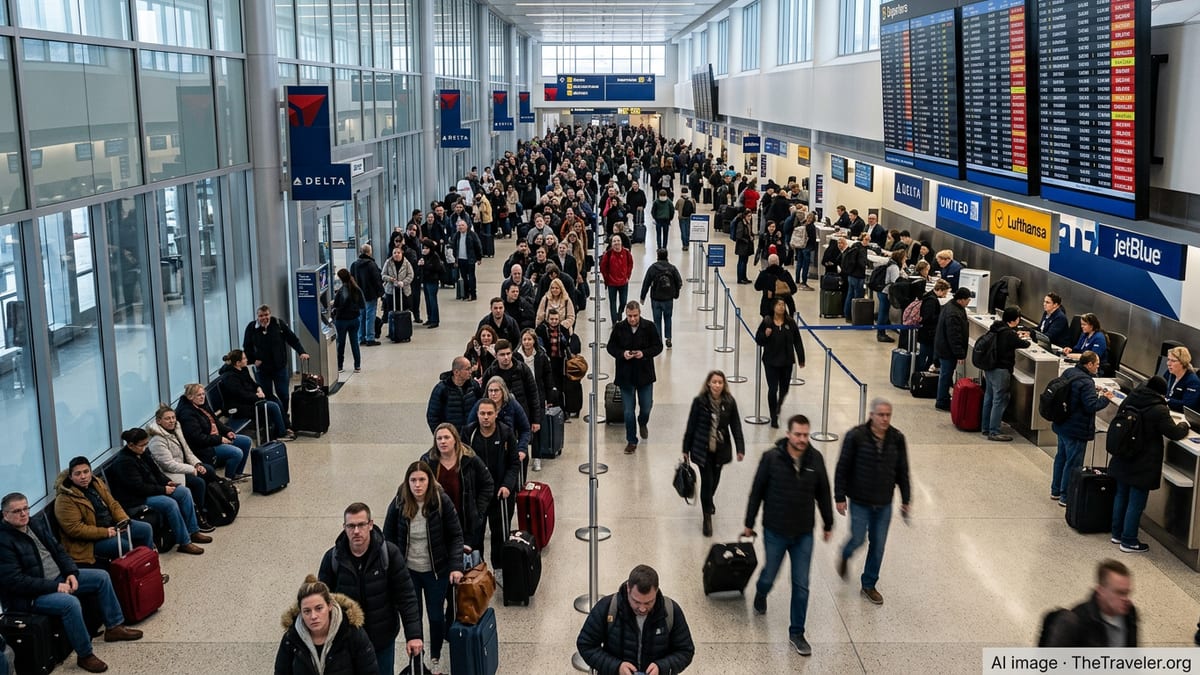
Hundreds of passengers across Brazil faced major disruption as more than 230 delays and at least 26 cancellations rippled through key hubs in São Paulo, Campinas and Belo Horizonte, affecting operations by LATAM, GOL, Azul Brazilian Airlines and Azul Conecta.
Get the latest news straight to your inbox!
Major Hubs Struggle With High Volume and Operational Strain
The latest disruption has hit Brazil’s busiest aviation corridor, with São Paulo’s Guarulhos and Congonhas airports, Campinas’ Viracopos and Belo Horizonte’s Confins bearing the brunt of the delays and cancellations. Publicly available airport boards and flight-tracking dashboards show congestion across domestic routes linking these hubs with other state capitals and regional destinations.
According to published coverage and live schedule data, the combination of heavy mid-year demand and tight aircraft utilization across Brazil’s main carriers has left little buffer when individual flights encounter technical checks, crew rotations or adverse weather along the network. Once delays begin to accumulate at São Paulo or Campinas, knock-on effects are quickly felt on shorter regional hops into Minas Gerais and surrounding states.
Brazil’s three largest airlines, LATAM, GOL and Azul, dominate operations at these airports, with Azul Conecta feeding regional traffic into the mainline Azul network from smaller cities. When multiple carriers experience schedule disruption on the same day, these intertwined networks can struggle to absorb displaced travelers, leading to growing queues at service desks and lengthy rebooking times.
Observers note that this most recent wave of irregular operations underscores how central the São Paulo–Campinas–Belo Horizonte triangle has become to Brazil’s domestic connectivity, and how issues in this corridor can quickly cascade across the wider national system.
Passengers Confront Missed Connections and Overnight Stays
Reports from travelers and travel forums indicate that the disruption has translated into missed onward connections, extended waits in terminals and, in some cases, enforced overnight stays near airports. Those connecting through São Paulo Guarulhos or Campinas Viracopos have been especially vulnerable when inbound flights arrive late and available seats on later departures are scarce.
Accounts shared in recent days describe long lines at airline counters as passengers seek rebooking options on LATAM, GOL and Azul services, often competing for a limited number of remaining seats on peak evening departures. Some travelers have turned to nearby airport hotels or day rooms when same-day alternatives were unavailable, while others have tried to reroute via different hubs in the Brazilian network.
Publicly available guidance from consumer agencies stresses that travelers should keep all receipts related to meals, transportation and accommodation during severe delays or cancellations, as these documents can be required when seeking reimbursement or compensation under Brazil’s aviation consumer rules. Travel specialists also recommend that passengers monitor their flight status across multiple channels, including airline apps and airport information screens, due to rapid schedule changes on days of heavy disruption.
For international visitors unfamiliar with Brazil’s domestic air market, the experience has highlighted the importance of planning longer layovers between international arrivals and domestic connections in São Paulo, especially during busy travel periods or when booking separate tickets across different carriers.
Brazilian Carriers Face Scrutiny Over Resilience
The disruption has once again drawn attention to the operational resilience of Brazil’s main carriers. Publicly available on-time performance rankings and anecdotal evidence from frequent flyers indicate that all three major airlines have faced punctuality challenges on some domestic routes, particularly at congested airports and during late-night and early-morning waves of departures.
LATAM, currently the largest operator in and out of São Paulo Guarulhos, often acts as a primary connector for international and domestic legs, meaning that delays on long-haul flights can easily spill into the short-haul grid. GOL, with a strong presence at São Paulo Congonhas and Brasilia, relies heavily on rapid aircraft turnarounds at constrained urban airports, a model that can be vulnerable when one segment encounters a technical or weather-related issue.
Azul, which uses Campinas Viracopos as a major hub, is tightly integrated with Azul Conecta’s turboprop and light aircraft network serving smaller cities. When operations at Viracopos slow, regional feeders can be forced into extended holding patterns on the ground, with passengers in remote locations sometimes facing fewer immediate alternatives if their flights are canceled.
Industry analysts cited in recent Brazilian aviation coverage suggest that the entire sector is still recalibrating after steep capacity reductions and subsequent growth in demand over the last several years, with staffing, maintenance planning and spare aircraft availability all playing a role in how well airlines manage sudden spikes in disruption.
Consumer Protection Rules and Traveler Options
Brazilian consumer law sets out obligations for airlines when delays and cancellations exceed specific time thresholds, including communication, food, accommodation and, in some cases, rebooking or reimbursement. Publicly available information from consumer protection bodies describes a system in which the level of assistance is expected to grow as the length of disruption increases.
Travel rights organizations advise that passengers affected by the latest wave of delays in São Paulo, Campinas and Belo Horizonte carefully document their interactions with airlines, including boarding passes, digital notifications and any written acknowledgments of schedule changes. This documentation can streamline later claims for compensation or refunds, particularly when disputes arise over the length or cause of a disruption.
Specialists also recommend that travelers familiarize themselves with the distinction between disruptions attributed to factors under airline control, such as crew scheduling, and those linked to extraordinary circumstances like severe weather or air traffic control restrictions. This distinction can influence the type and extent of assistance offered by carriers such as LATAM, GOL, Azul and Azul Conecta.
For future trips, travel planners suggest booking longer connections at Brazil’s largest hubs, considering earlier departures on critical travel days and, where possible, purchasing tickets that keep all segments on a single reservation to simplify rebooking when irregular operations occur.
Outlook for Brazil’s Peak Travel Months
The current episode of widespread delays and cancellations arrives just as Brazil moves toward traditionally busy travel periods, including local holidays and the Southern Hemisphere winter school break. Airlines have scheduled additional capacity on key domestic corridors, a trend that has helped meet demand but has also tightened margins for operational errors.
Recent analyses in Brazilian aviation media note that infrastructure investments at major airports have improved runway, terminal and baggage handling capacity, yet air traffic control constraints and weather patterns can still lead to bottlenecks over São Paulo and Minas Gerais. When combined with high load factors on popular routes, even brief interruptions can reverberate throughout the national network.
Industry watchers will be monitoring how LATAM, GOL, Azul and Azul Conecta adjust their schedules, standby aircraft availability and crew planning to mitigate future disruption across these central hubs. Travelers, meanwhile, are likely to continue building extra time into itineraries that pass through São Paulo, Campinas or Belo Horizonte, mindful of how quickly irregular operations in this corridor can affect journeys across Brazil and beyond.