


More news on this day
Hundreds of travelers were left waiting for hours at St. Petersburg’s Pulkovo Airport and Moscow’s Sheremetyevo International Airport on July 5 after 233 flights were reported delayed and 26 canceled, disrupting operations for major Russian carriers across domestic and international routes.
Get the latest news straight to your inbox!
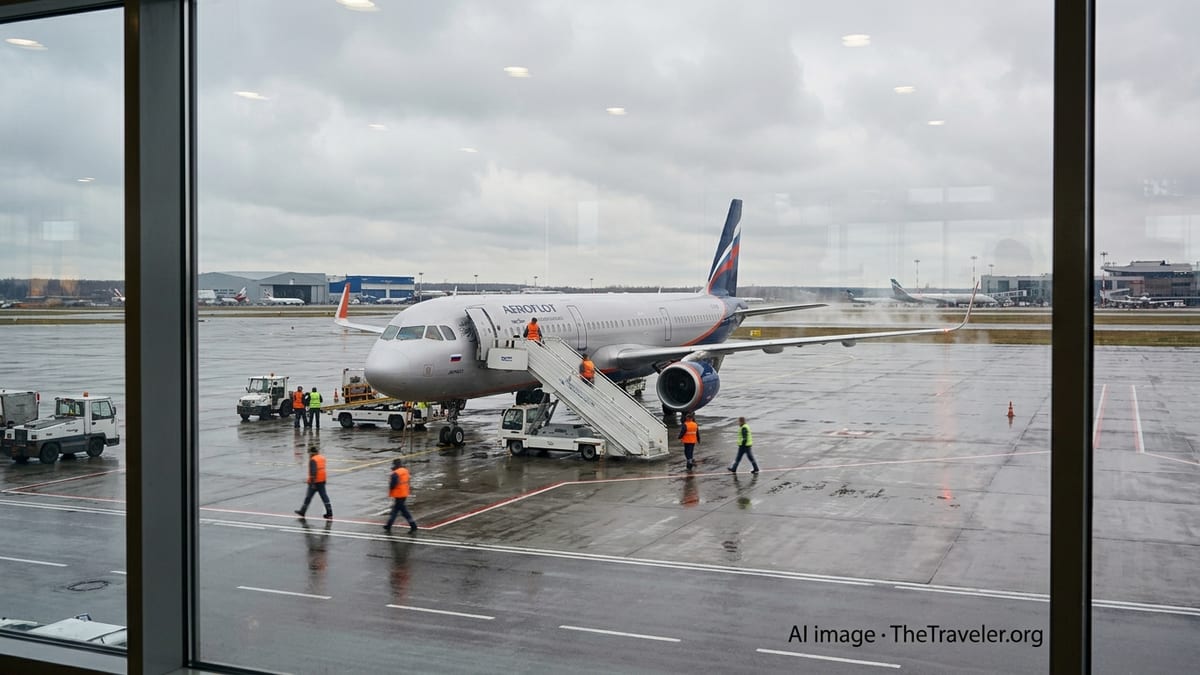
Severe Disruptions at Pulkovo and Sheremetyevo
Published information from aviation and travel industry outlets indicates that the disruptions affected a broad swath of Russia’s air network, with Pulkovo and Sheremetyevo among the hardest hit. These two airports are key gateways for both domestic travel and international connections, amplifying the impact of any operational problems.
Data compiled from airport boards and flight-tracking platforms showed long strings of delayed departures and arrivals, with some aircraft held on the ground for extended periods. Passengers reported crowding in terminal areas as they waited for updated departure times and rebooking options.
The disruption involved services operated or marketed by Aeroflot, Rossiya Airlines, Pobeda, S7 Airlines, Ural Airlines, Nordwind Airlines, and other carriers. These airlines jointly account for a large share of Russia’s scheduled passenger traffic, meaning delays at these hubs quickly rippled out to regional airports across the country.
Travel and tourism media coverage described scenes of families resting on luggage, travelers forming long lines at service desks, and airport staff attempting to manage backlogs as departure boards filled with red “delayed” markers.
Wide Network Impact Across Russian Carriers
The scale of the disruption was magnified by the central role of Moscow and St. Petersburg in Russia’s route network. Sheremetyevo functions as the primary hub for Aeroflot and its affiliated brands, while Pulkovo anchors traffic in northwest Russia and links major regional centers to international destinations.
Publicly available operational data shows that Aeroflot and Rossiya Airlines together operate dense schedules from Sheremetyevo, feeding onward connections to cities such as Kazan, Sochi, Yekaterinburg, and Kaliningrad. When flights from these hubs are delayed or canceled, aircraft and crews may be left out of position, complicating efforts to restore normal operations over the course of the day.
Low cost carrier Pobeda, as well as S7 Airlines, Ural Airlines, and Nordwind Airlines, also maintain significant presence at these airports. For budget-conscious travelers using point-to-point services, delays can mean missed hotel bookings or nonrefundable onward tickets on rail and bus networks, adding financial strain to the inconvenience.
Reports indicate that disruptions extended to both domestic and international routes, with holiday destinations around the Black Sea and abroad particularly affected at the height of the summer travel period. These routes are heavily booked in early July, leaving limited spare capacity to accommodate displaced passengers.
Operational Strain in a Challenging Aviation Environment
The latest wave of delays comes against a backdrop of mounting pressures on Russia’s aviation sector. Industry analyses published in recent weeks point to high levels of aircraft grounded for maintenance or parts shortages at several Russian carriers, a trend linked to ongoing international sanctions and supply chain constraints.
Studies of fleet utilization show that while Aeroflot Group has maintained a relatively higher proportion of its aircraft in service, private carriers such as S7 Airlines and Nordwind Airlines are operating with a notably larger share of their fleets on the ground. This reduces the operational flexibility needed to absorb schedule shocks and quickly substitute equipment when technical or logistical issues arise.
In addition, Russian airports have faced recurrent temporary restrictions in recent months due to security-related airspace closures and drone incidents, which can force holding patterns, diversions, and short-notice suspensions of arrivals and departures. Such interruptions complicate crew scheduling and aircraft rotations even after formal restrictions are lifted.
With peak summer demand now underway, the combination of strong passenger volumes, constrained fleets, and intermittent airspace limitations has created a fragile operating environment where localized disruptions can quickly escalate into widespread delays and cancellations.
Travelers Face Uncertainty, Rebooking Challenges
For travelers stranded at Pulkovo and Sheremetyevo, the immediate concern on July 5 was how and when they could continue their journeys. Photos and descriptions circulating on social media platforms and in local news coverage showed lengthy queues at airline counters as passengers sought rebooking or refunds.
Consumer advocates note that Russia’s air transport regulations provide specific obligations for carriers in cases of significant delay or cancellation, including food, communication, and in some circumstances accommodation. However, in practice, passengers may struggle to access assistance when service desks are overwhelmed and call centers face high volumes of inquiries.
Travel industry commentators advise affected passengers to document delays using boarding passes and screenshots of departure boards, and to check airline policies on compensation or voucher options. Many Russian carriers encourage travelers to use mobile apps or websites to manage changes, but system overload during major disruption events can slow or limit access.
For those with international connections, missed onward flights can trigger additional costs and visa complications. Travelers connecting through third countries may need to coordinate separately with non-Russian airlines, as ticketing and rebooking rules differ across carriers and alliances.
Ongoing Monitoring as Airports Work to Normalize Schedules
By late in the day, some flight-tracking data suggested that operations at both Pulkovo and Sheremetyevo were gradually stabilizing, although delays remained visible on departure and arrival boards. Aviation observers cautioned that the knock-on effects of the disruption could continue into subsequent days as airlines reposition aircraft and crews.
Russian aviation authorities and airport operators typically respond to such events by adjusting night-time schedules, opening additional check-in desks, and coordinating with ground handling services to clear backlogs. The effectiveness of these measures often depends on the availability of aircraft, crew duty-time limits, and any continuing airspace constraints.
Travel planners recommend that passengers scheduled to fly from or through St. Petersburg and Moscow in the coming days monitor their flight status closely, arrive at the airport earlier than usual, and maintain flexible arrangements for ground transportation and accommodation where possible.
Analysts suggest that the July 5 disruption underscores the broader vulnerability of Russia’s aviation system during the current period, in which external pressures on fleets and maintenance intersect with surging seasonal demand. As peak summer traffic builds, further episodes of congestion and delay at major hubs cannot be ruled out.