


More news on this day
Alaska Airlines’ expansion into long haul flying with new Boeing 787 services is drawing mounting criticism from cabin crew who say staffing levels are stretched too thin to deliver the premium experience the carrier has promised.
Get the latest news straight to your inbox!
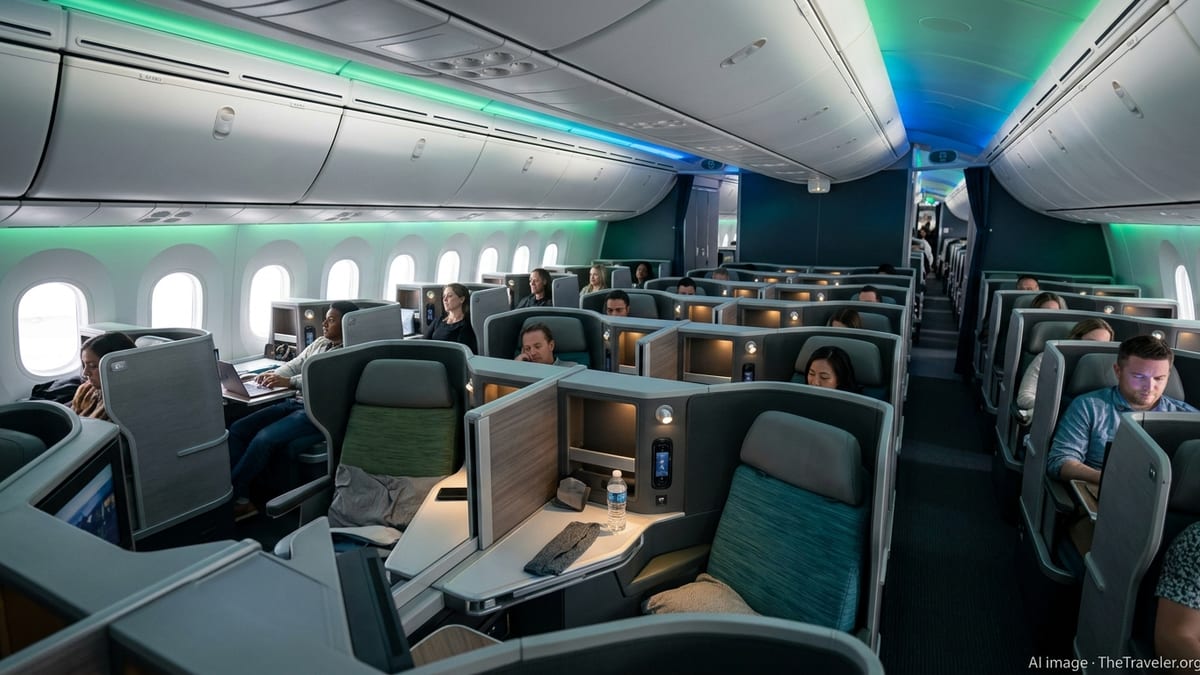
Cabin crews say service model outpaces headcount
As Alaska Airlines ramps up Boeing 787 operations on routes from Seattle to London and Seoul, flight attendants are using union channels and public forums to argue that the airline’s long haul service concept is not adequately staffed. Posts on employee and passenger discussion boards describe crews racing through multi‑course meal services, juggling packed cabins and coping with tight schedules on flights of nine hours or more.
Reports indicate that the airline is relying heavily on former Hawaiian Airlines flight attendants to operate the 787s while Alaska introduces its own service routines. Publicly available commentary suggests the carrier has sought to distinguish its debut long haul product with expanded meal offerings and upgraded touches, but crew accounts describe those ambitions as difficult to sustain with current staffing levels in the cabin.
On recent transatlantic and transpacific flights, travelers have shared mixed experiences, with some praising individual crew members and others describing rushed or inconsistent service. Several long haul trip reports specifically link those issues to the pace of work faced by cabin staff, highlighting limited time for customer interaction once safety checks, multiple services and galley duties are taken into account.
The complaints arrive as Alaska works to integrate the Hawaiian Airlines operation and position itself as a larger player in the Pacific and North American markets. That integration has brought new aircraft types, longer stage lengths and more complex staffing patterns to a carrier long associated with shorter domestic and regional flights.
Union documents highlight special 787 staffing carve‑outs
Flight attendant concerns are emerging against the backdrop of evolving labor agreements that spell out staffing for the new widebody fleet. A recent contractual extension for flight attendants at the Hawaiian operation, now under Alaska’s umbrella, includes specific language on Boeing 787‑9 staffing on North America routes, with carve‑outs for busy months such as May, June, July, August and December.
Publicly available contract documents indicate that these carve‑outs govern how many crew members are assigned to certain 787 flights, effectively setting minimums that may differ by season or route. Union communications show that scheduling and staffing for summer 2026 have been a central topic in regular meetings, with representatives flagging the strain of higher block hours and limited flexibility to add more crew members to demanding pairings.
Union scheduling updates from the pre‑merger Alaska side also describe elevated flying levels and a tight reserve ratio, with no additional staffing adjustments planned for peak months such as July. Taken together, the provisions on 787 staffing and broader system schedules suggest flight attendants are being asked to work more long haul hours without proportional increases in onboard headcount.
While the agreements set legal minimums, cabin crew commentary indicates they see a gap between contractual staffing and what is required to deliver the level of service Alaska has marketed on its Dreamliner routes. Their calls focus less on safety, which is governed by federal rules, and more on the time and personnel needed to provide consistent premium service in all cabins.
Passenger feedback points to uneven experience on new long haul routes
Early passenger reviews of Alaska’s Boeing 787 flights show a pattern of sharp contrasts, particularly on the flagship Seattle to London Heathrow route. Some travelers describe friendly crews doing their best amid crowded cabins and operational hiccups, while others portray a product that falls short of expectations set by larger transatlantic competitors.
Public reviews mention long queues at boarding, overwhelmed check‑in staff and disorganized gate processes on some widebody departures. In the air, several accounts point to delayed or abbreviated meal services and limited follow‑up in both premium and economy cabins. Travelers on Seoul services have raised similar issues, citing quick meal runs and little opportunity for additional drinks or mid‑flight snacks without seeking out crew in the galley.
In online discussions comparing Alaska’s offering with legacy carriers, critics argue that the airline has yet to match the staffing depth or polished routines seen on long standing international operators using the Boeing 787. Others note that the carrier is simultaneously adjusting to the Hawaiian integration, new aircraft and new destinations, factors that may contribute to a steeper learning curve during the first season of 787 flying.
Despite the criticism, many posts continue to highlight positive individual interactions with flight attendants, underscoring that service quality can vary significantly from flight to flight. That variability is feeding a perception among some frequent travelers that Alaska’s widebody operation is still in a trial phase, even as the airline markets it as a fully fledged long haul product.
Staffing pressures surface across the wider operation
The concerns about 787 cabin staffing are emerging alongside broader signals of strain within Alaska’s workforce. Employee reviews on job platforms in mid‑2026 frequently mention low staffing and high customer volumes, with workers describing skipped breaks and pressure to cover busy periods at major hubs.
Customer complaints and forum posts from Alaska’s primary base at Seattle‑Tacoma International Airport likewise reference long service lines, limited gate agents and inconsistent communication during delays. Travelers recount situations where a small number of ground staff handled large crowds during irregular operations, adding to the perception that staffing resources are stretched.
These themes echo earlier public reporting on Alaska’s labor environment, including union rallies calling attention to pay, scheduling and morale. While those actions predate the 787 launch, the latest feedback suggests that underlying staffing and workload issues have carried into the new long haul operation, with cabin crew now shouldering a more complex mix of duties on extended flights.
At the same time, Alaska Air Group’s recent financial disclosures indicate that the company continues to focus on cost control as it absorbs Hawaiian Airlines and navigates higher fuel prices. Balancing those financial priorities with the staffing levels needed to support an expanded international network remains a central challenge for management in the coming quarters.
What the dispute means for travelers booking 787 flights
For passengers considering Alaska’s Dreamliner routes, the emerging staffing debate suggests that onboard experience may still be evolving. Travel industry observers note that any new long haul product typically goes through a period of adjustment as airlines fine tune service flows and match crew numbers to real‑world conditions.
Travelers who prioritize service and cabin comfort may wish to factor in the mixed reviews when choosing between carriers on routes such as Seattle to London or Seoul. Early reports from the field indicate that Alaska’s seating and hard product are competitive on the 787, but the softer elements of service, from meal pacing to mid‑flight attention, can depend heavily on how stretched crews are on a given day.
Consumer advocates point out that staffing complaints do not necessarily translate into safety risks, since federal minimums for flight attendants per passenger count remain in force across all carriers. The core of the Alaska debate revolves instead around whether the airline has committed enough crew resources to deliver the long haul experience it has advertised while maintaining sustainable working conditions for staff.
As the summer peak travel period continues and additional 787s enter service, Alaska’s response to the concerns raised by its cabin crews is likely to shape both employee relations and customer perceptions. Any adjustments to staffing, scheduling or service design will be closely watched by frequent flyers and industry analysts tracking the carrier’s push into the competitive long haul market.