


More news on this day
Unseasonably cold air is forecast to sweep across the United Kingdom in mid May, bringing the risk of snow, icy conditions and travel disruption just as domestic and international visitors head into the late spring tourism period.
Get the latest news straight to your inbox!
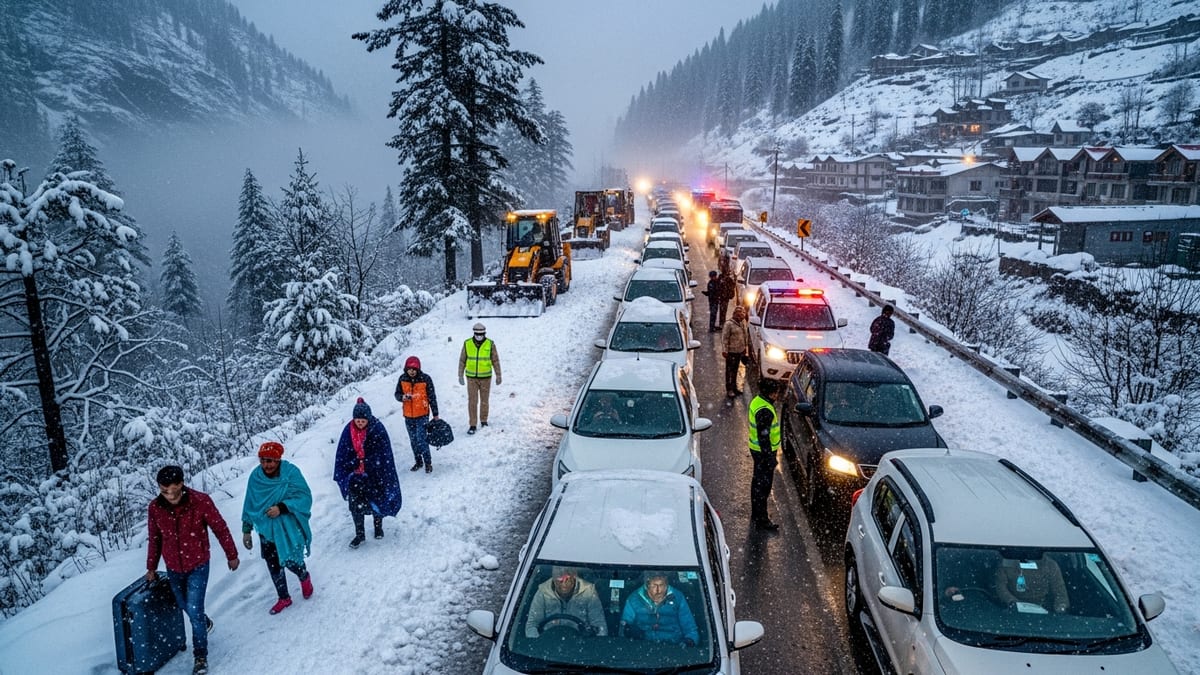
Unusual May Cold Snap Raises Travel Concerns
Forecast guidance from the Met Office and other weather agencies indicates that a colder, unsettled pattern is likely to develop over the UK during the second and third weeks of May, following a warmer and drier than average April. Publicly available outlooks describe a shift to lower temperatures, brisk winds and showers, with some falling as sleet or snow over higher ground in Scotland and northern England.
While widespread low level snow is not currently anticipated, forecasters highlight the potential for wintry precipitation on upland routes, particularly overnight and during early mornings when air temperatures could briefly slip close to or below freezing. Late season snowfall in May is unusual but not unprecedented in the UK, and recent winters have already produced several episodes of disruptive snow and ice, reinforcing concerns about how quickly travel networks can adapt when conditions deteriorate.
For travellers, the key issue is not only snowfall totals but also surface temperatures and wind. Even light snow showers combined with sub zero road temperatures or gusty winds can lead to icy stretches, reduced visibility and localised drifting on exposed roads and higher rail lines. Aviation operations can also face delays when ground handling, de icing and visibility are affected, even if runways themselves remain largely clear.
Impact Risk for Road, Rail and Air Passengers
Recent experience from the 2025 to 2026 winter season shows how quickly UK transport can be disrupted when snow and ice coincide with peak travel periods. Earlier in the year, a sequence of named storms brought heavy snow to parts of Scotland, Wales and northern England, triggering multiple Met Office snow and ice warnings and leading to blocked roads, speed restrictions on motorways and timetable changes on railways, according to published coverage from national media and weather agencies.
Although the current May outlook signals a less intense event, travel specialists note that even marginal wintry conditions can cause outsized disruption at this time of year. Many operators scale back winter resilience measures as spring progresses, meaning that gritting resources, snow clearing equipment and contingency timetables may not be as readily available as they would be in January or February. This can translate into slower responses to icy patches on rural A roads, minor routes into national parks and higher altitude tourist areas.
Rail passengers may also encounter knock on effects if colder air coincides with existing network constraints. Published reports in recent months have shown how incidents unrelated to weather can already cause substantial delays along key corridors linking London with regional cities and major airports. Any additional requirement to impose precautionary speed limits, manage ice on overhead lines or respond to drifting snow around cuttings could further stretch timetables and rolling stock availability.
Airports, particularly those serving Scotland, northern England and higher elevation regional hubs, typically maintain year round plans for de icing and low visibility operations. However, late season snow can still lead to short term ground handling delays, queues at security and check in, and occasional diversions if crosswinds or visibility fall outside operating thresholds for certain aircraft types.
Tourists Urged to Prepare for Wintry Conditions
The timing of the colder spell is of particular concern to the tourism sector. May is an increasingly popular month for city breaks in London, Edinburgh, Manchester and other urban centres, as well as for hiking holidays in the Scottish Highlands, the Lake District and Snowdonia. Travel and accommodation bookings typically rise around spring bank holidays and school breaks, increasing the number of visitors who may be unfamiliar with driving or walking in wintry UK conditions.
Destination marketing organisations and transport operators are already using their public information channels to remind visitors to monitor local forecasts and be flexible with itineraries. In upland regions, tourism boards and rescue organisations regularly advise spring visitors to carry cold weather clothing, sturdy footwear and basic emergency supplies, guidance that becomes more pressing when snow showers and near freezing nights enter the forecast.
Overseas tourists, particularly those from warmer climates expecting mild spring weather, may underestimate how quickly conditions can change. Industry briefings suggest that hotels, guest houses and tour operators are revisiting their own contingency plans, including options to adjust excursion timings, alter walking routes, switch to indoor attractions or provide additional transport support if roads become slippery or visibility deteriorates.
Operators of outdoor attractions, including theme parks, historic sites and coastal paths, may also review opening hours and on site safety measures if temperatures drop sharply. Previous cold spells have prompted temporary closures of exposed viewpoints, suspension of some boat services and additional signage warning of icy steps and paths.
Practical Advice for Spring Travellers in the UK
Travel planners recommend that anyone with journeys scheduled in mid May build additional flexibility into their arrangements. For road travel, this can include allowing extra journey time, checking live traffic and weather updates before setting off, and planning alternative routes that avoid the highest passes or most exposed stretches. Motorists hiring cars are advised to familiarise themselves with controls for demisting, traction and lights, and to carry warm layers even on routes that appear short on a map.
Rail passengers are encouraged to monitor operators’ social media feeds and journey planners on the day of travel, as timetables may be adjusted at short notice if conditions worsen on particular sections of line. Having digital tickets stored offline, carrying phone chargers and packing drinks and snacks can make unexpected waits at stations or on slow moving services more manageable, especially for families and older travellers.
For those flying into or out of the UK, airlines typically update their websites and mobile apps with any weather related changes. Travellers are advised to check flight status before leaving for the airport and to build generous connection times between rail or coach arrivals and departures, particularly at major hubs. In some previous cold weather events, airlines have introduced flexible rebooking policies or travel waivers when forecasts indicated a high likelihood of disruption; similar measures could be considered again if confidence in a more severe scenario increases.
Visitors planning outdoor activities, including hiking, camping or coastal walks, may need to adapt gear choices that would normally be sufficient for late spring. Layered clothing, waterproofs, hats and gloves, plus awareness of earlier nightfall in unsettled weather, can all reduce the risks associated with unexpectedly cold and slippery conditions.
Outlook Remains Uncertain but Vigilance Recommended
Medium range forecasts always carry a degree of uncertainty, and some model runs indicate that the colder air incursion in May could be shorter lived or less intense than earlier winter episodes. However, the pattern of recent months, with rapid swings between mild, wet and sharply colder spells, underlines the value of treating early signals seriously, particularly for those with non refundable travel bookings or complex multi leg itineraries.
Weather services continue to emphasise that their warning systems are designed to highlight potential impacts rather than simply headline grabbing snow totals. Even if snowfall amounts remain modest and largely confined to higher terrain, the combination of cold road surfaces, gusty winds and heavier showers in localised areas could still create hazardous conditions for drivers, cyclists and pedestrians.
For both residents and visitors, the most practical approach in the coming weeks is to track updated forecasts, remain prepared for a short period of wintry weather and respond promptly to any official warnings or operator advisories that reference snow, ice or freezing temperatures. By building in flexibility and packing with colder conditions in mind, travellers can reduce the chances that an unusual May snow episode will derail long planned trips across the UK.