


More news on this day
A subtle but significant power shift is unfolding in Mediterranean tourism as the 2026 season progresses, with Croatia consolidating its rise as a high-value coastal destination while Turkey navigates regional tensions, inflation and changing traveler perceptions.
Get the latest news straight to your inbox!
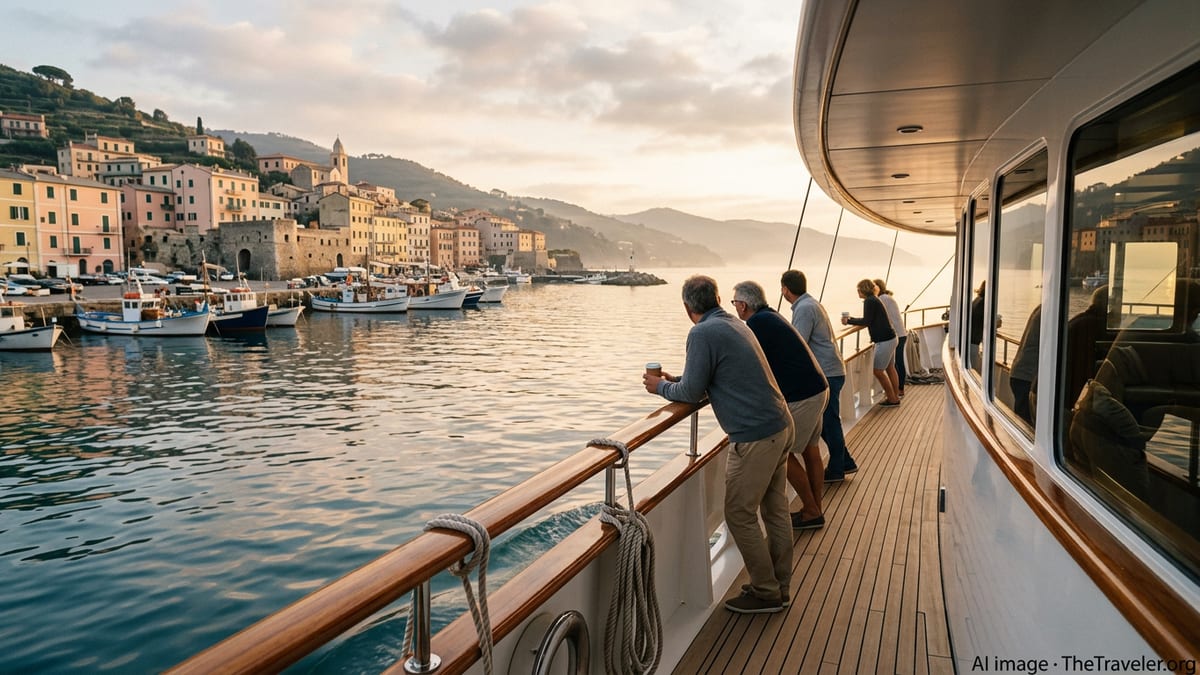
Croatia Rides a Wave of Record Arrivals
Croatia is entering the 2026 peak season on the back of several years of robust growth, cementing its position among the most sought-after destinations in the Mediterranean. Industry reports for 2024 and 2025 showed record numbers of international arrivals and overnight stays, particularly along the Dalmatian coast and in historic cities such as Dubrovnik and Split. Travel trade data for summer advance bookings in 2026 indicate that demand is holding strong, with many coastal regions reporting high occupancy projections for July and August.
Analysts note that Croatia’s integration into the Schengen area and the eurozone has simplified travel for European visitors, reducing friction at borders and eliminating currency risk for eurozone tourists. Publicly available tourism statistics from recent seasons show a marked rise in arrivals from Germany, Austria and other core European markets, as well as growing interest from North America driven by new seasonal air routes into coastal airports. This combination of accessibility and perceived safety is reinforcing Croatia’s status as a reliable summer choice.
At the same time, Croatia continues to move upmarket in pricing, particularly in key resort areas and heritage cities. Hotel benchmarking data compiled for 2025 show steady increases in average daily rates, placing leading Adriatic destinations closer to established Western Mediterranean competitors. Travel industry coverage suggests that visitors are increasingly accepting these higher prices in exchange for well-preserved coastal landscapes, historic town centers and a reputation for stability.
However, researchers studying Mediterranean coastal destinations highlight ongoing structural challenges behind the headline growth. Recent academic work on sustainable tourism in the region points to Croatia’s dense coastal development, seasonal congestion and environmental pressures as persistent issues. Local authorities and tourism businesses are under pressure to balance expanding demand with sustainability goals, particularly around water use, waste management and the protection of fragile island and marine ecosystems.
Turkey’s Tourism Engine Meets a More Uncertain Season
Turkey remains one of the Mediterranean’s largest tourism economies, with recent international assessments describing tourism as a critical source of foreign currency for the country. National statistics for early 2026 show that visitor numbers and tourism income are still growing compared with the previous year, with official data for the first quarter indicating an increase in both revenue and total departing visitors. This underlines the sector’s resilience and continued ability to attract millions of travelers.
Yet the context around that growth has become more complex. Economic reports from international institutions and ratings agencies during 2025 and 2026 describe Turkey as facing persistent macroeconomic strain, including high inflation and pressure on foreign exchange reserves. Analysts note that while inflation has begun to moderate from previous peaks, it remains elevated compared with many peer economies, affecting operating costs for hotels, restaurants and transport providers, and eroding domestic purchasing power.
Regional security tensions are also weighing on sentiment. Travel advisories updated in mid-2026 by several governments continue to highlight localized security risks and advise heightened caution in certain border areas. Coverage by international media in April 2026 described a sharp drop in bookings following regional conflict episodes earlier in the year, particularly from some European family markets that are sensitive to perceptions of instability.
Central bank publications and tourism-focused briefings from Turkish authorities acknowledge that geopolitical developments have slowed booking momentum for the high season, especially for coastal resorts that depend on families and package holidaymakers. At the same time, reports indicate that demand from the Russian Federation and some neighboring markets has remained comparatively robust, partially offsetting softness from Western Europe but raising questions among analysts about overreliance on a limited set of source countries.
Currency, Costs and the Battle for Value-Seeking Tourists
The economic backdrop is sharpening competition for value-focused Mediterranean travelers. For many visitors from the eurozone and the United Kingdom, Croatia now sits in a higher price bracket than it did a decade ago, as hotel and rental rates in popular locations climb. However, the adoption of the euro has removed exchange-rate uncertainty for many European guests and aligned Croatia more closely with destinations such as Italy and Spain in terms of pricing transparency.
Turkey, by contrast, continues to be framed in travel industry commentary as a comparatively affordable destination for foreign visitors, despite the country’s inflation challenges. The depreciation of the lira in recent years has made prices more attractive for those spending stronger currencies, supporting continued inflows even as domestic travelers face rising costs. Package holiday operators in several European markets continue to promote Turkish resorts on the basis of value for money, extensive all-inclusive offerings and favorable late-availability deals.
However, analysts caution that macroeconomic volatility can also deter some travelers who associate currency swings and high inflation with broader uncertainty. International financial reports in 2026 note that Turkey’s external financing needs and inflation trajectory remain closely watched by investors, and such narratives can filter through to consumer perceptions. By contrast, Croatia and other eurozone Mediterranean destinations benefit from being seen as financially predictable, even when headline prices are higher.
This divergence is influencing how the two countries compete for overlapping segments, particularly mid-market European families weighing cost, convenience and perceived safety. Travel trade surveys suggest that some travelers who once defaulted to Turkey for budget-friendly beach holidays are now comparing its offers more carefully with Croatia, Greece and Spain, taking into account not only price but also perceived political risk and travel advisories.
Safety Perceptions and the Geography of Risk
While the majority of Turkey’s key resort areas along the Aegean and Mediterranean coasts continue to function normally, evolving risk maps are shaping traveler behavior. Updated advice from European and North American governments during 2026 maintains distinctions between relatively calm tourist zones and higher-risk regions near certain borders. This nuanced messaging complicates planning for first-time visitors, even when most major resort destinations remain unaffected by specific warnings.
Media coverage of wildfires, earthquakes and regional conflicts in recent years has also added layers of concern for some potential visitors, particularly families and older travelers. Although similar climate-related hazards affect many Mediterranean destinations, Turkey’s combination of natural risks and geopolitical proximity to several conflict zones has created a more cautious environment for booking decisions. Travel agents report that questions about safety in Turkey are more frequent than enquiries about many rival destinations.
Croatia, in comparison, is benefiting from a perception of stability and straightforward risk assessments within the European Union framework. While the country is not immune to climate-related challenges such as heatwaves and coastal erosion, it has faced fewer high-profile security incidents in recent years. This relative calm, coupled with EU-aligned safety regulation and oversight, is cited in industry commentary as a factor supporting Croatia’s appeal to risk-averse travelers.
Researchers focusing on Mediterranean tourism warn, however, that safety perceptions can change quickly and are often shaped more by media cycles than by consistent risk indicators. They argue that both Croatia and Turkey need to invest in clear communication around crisis management, climate adaptation and visitor protection to maintain confidence in an increasingly volatile environment.
Sustainability and Capacity Pressures Across the Basin
Behind the immediate booking patterns, a longer-term shift in Mediterranean tourism is becoming apparent. Academic and policy analyses of the region describe mounting pressure on coastal environments, with rising sea levels, more frequent heatwaves and water scarcity all challenging the mass-tourism model that has underpinned growth for decades. Croatia and Turkey, despite their different economic contexts, both rely heavily on dense coastal infrastructure and seasonal peaks that strain local resources.
In Croatia, highly concentrated visitor flows to islands and historic city centers have revived debates about carrying capacity, cruise ship regulation and the protection of UNESCO-listed sites. Local initiatives to limit overcrowding and encourage year-round tourism are gaining visibility, but implementation remains uneven across regions. Tourism planners are increasingly debating how to align Croatia’s growth trajectory with environmental targets and local quality-of-life concerns.
Turkey faces a different mix of pressures. Studies on tourism and inflation in the country point to the vulnerability of low-income communities that depend on seasonal jobs, as well as the uneven distribution of tourism revenue between major resort enclaves and less-visited regions. Climate change adds further complexity, with hotter summers and water stress affecting both visitor comfort and operating costs for hotels and resorts. Policy documents highlight efforts to diversify tourism beyond traditional coastal packages, including cultural routes and nature-based tourism inland.
Across the wider Mediterranean, experts argue that the emerging power shift is not simply a story of winners and losers for a single season, but a test of which destinations can adapt their tourism models fastest. As 2026 unfolds, Croatia’s momentum and Turkey’s more turbulent environment illustrate the broader challenge facing the region: how to balance growth, affordability and safety with the growing imperative for sustainability.