


More news on this day
Three major U.S. airlines have activated weather-related travel waivers ahead of a strengthening Nor’easter forecast to bring heavy rain, coastal flooding and disruptive winds to key Northeast hubs from Friday, September 25, through Sunday, September 27, 2026.
Get the latest news straight to your inbox!
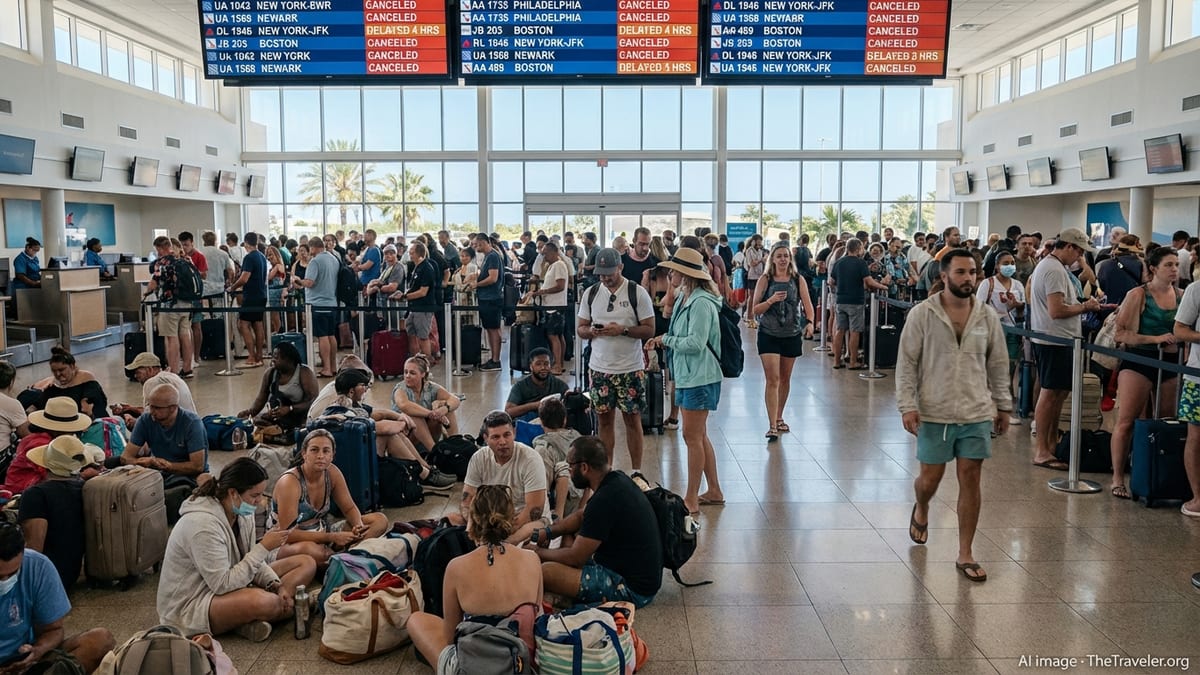
Nor’easter Targets Crowded Northeast Corridor
Publicly available forecasts from the National Weather Service indicate that a slow-moving Nor’easter will organize off the Mid-Atlantic coast late Friday and then meander near the northern Mid-Atlantic and New England shoreline through the weekend. Meteorologists expect a swath of heavy rain from coastal New Jersey through Long Island and Cape Cod, along with periods of gale-force gusts and pockets of coastal flooding during high tides.
Short-range forecast discussions describe a prolonged event, with the low pressure system deepening on Saturday before gradually weakening later Sunday into Monday. The Weather Prediction Center projects a slight risk of excessive rainfall on Saturday into Sunday across parts of the Northeast, highlighting the potential for localized flash flooding in urban areas and poor drainage locations along the Interstate 95 corridor.
Major airport complexes in Boston, New York City and Newark sit directly within the zone of strongest winds and heaviest precipitation. Past Nor’easter events have shown that even when runways remain open, reduced visibility, strong crosswinds and air traffic control flow restrictions can trigger significant delays, diversions and same-day cancellations.
Delta, United and JetBlue Publish Weather Waivers
In anticipation of these impacts, three large U.S. carriers have issued fee-waiver policies covering travel to, from or through affected Northeast airports over the weekend. United Airlines lists a dedicated Nor’easter travel waiver on its customer information portal dated Thursday, September 24, 2026, with automated tracking posts on airline watcher forums showing the waiver in effect for travel between Friday, September 25, and Sunday, September 27, 2026.
JetBlue’s travel alerts page shows a “Northeast weather fee waiver” updated September 23, 2026, applying to JetBlue-operated flights from Friday, September 25, through Sunday, September 27. The waiver covers a cluster of airports including Boston, New York JFK, LaGuardia, Newark, Providence, Westchester County, Worcester, Long Island Islip, Hyannis, Martha’s Vineyard and Nantucket. Customers whose original tickets were issued by September 24 are allowed to rebook for travel through Wednesday, September 30, 2026, without change fees or fare differences, provided they keep the same city pair and cabin and rebook before their original departure time.
Delta Air Lines maintains an active weather advisory portal, branded SkyWatch, that is updated with systemwide disruption information. The advisory list for late September 2026 includes weather exception policies issued in advance of deteriorating conditions for the Northeast. Archived exception-policy summaries show Delta has been granting similar flexibility windows for earlier September weather systems, and the current advisory cycle signals that the carrier is preparing for schedule adjustments as the Nor’easter strengthens.
What the Waivers Actually Cover for Travelers
While each airline frames its program differently, the core benefit of the Nor’easter waivers is the ability to change travel plans once at no extra cost when customers meet specific criteria. For JetBlue, the published policy confirms that qualifying customers can move their trip to any available flight through September 30 between the same cities without paying a fare difference or change fee. If a flight is cancelled outright, the airline states that travelers may opt for a refund to the original form of payment instead of rebooking.
United’s waiver details are surfaced through internal customer-service notices and public-facing trackers that summarize the policy. These notices describe voluntary change options for itineraries touching a set list of Northeast airports during the affected dates. Typically, the airline allows rebooking onto alternative flights departing within a defined window around the original travel dates, with change fees waived and fare differences sometimes eliminated when the new itinerary matches the original routing and cabin.
Delta’s exception policies, outlined in its advisory archive and weather alerts, generally work in a similar manner. When a weather waiver is in place, the carrier permits a one-time change for tickets issued by a certain cutoff date, as long as new travel occurs within the published reissue period. The fine print often clarifies that any changes that fall outside the specified dates or involve different origin or destination cities may still require payment of a fare difference.
Across all three carriers, fee waivers do not guarantee protection from downstream disruptions once travel begins. However, they give passengers more flexibility to adjust to developing forecasts, avoid the peak of the storm or reposition to alternative routes, often without incurring the higher last-minute fares that can appear during major weather events.
Operational Strain at Major Northeast Hubs
Industry analysis and recent coverage of earlier September disruptions show that New York and Boston have already experienced several days of significant delays during this busy transition period to fall schedules. A recent report on East Coast cancellations noted that hubs such as Newark, LaGuardia, JFK and Boston Logan saw hundreds of flights delayed or cancelled around a separate mid-September weather system, prompting large carriers to activate limited waivers even before this weekend’s Nor’easter.
The convergence of heavy rain, low ceilings and gusty winds expected with the current storm raises the likelihood of ground-delay programs and route restrictions into and out of the New York terminal area. When air traffic control institutes these measures, airlines frequently must thin out schedules, consolidate flights and hold aircraft and crews out of the worst conditions, which can ripple across networks nationwide.
For travelers, this environment can mean longer than usual lines at customer-service counters and call centers, rolling gate changes and difficulties finding empty seats for same-day rebooking. Airlines have been directing customers to manage their trips through mobile apps and websites, which are typically configured to recognize when an itinerary qualifies under an active weather waiver and automatically present alternative options.
The experience of recent storms suggests that even flights outside the formal waiver cities can be affected. Crews based in New York or Boston can end up out of position for flights elsewhere in the country if their inbound segments are delayed or cancelled, leading to secondary disruptions in regions not directly impacted by the Nor’easter’s weather.
Key Steps for Passengers Traveling This Weekend
Given the evolving forecast and the scope of the waivers now in place, travelers scheduled to fly to or through the Northeast between Friday and Sunday are being encouraged by airlines and consumer advocates to act early. Checking whether the ticket was issued by the required cutoff date and whether the itinerary falls within the specified airports and travel window is the first step in determining eligibility for free changes.
Publicly available guidance from carriers emphasizes using digital tools whenever possible. JetBlue, for example, instructs customers affected by weather waivers to log into the “Manage Trips” section of its website or app, where the system automatically applies the details of an active waiver when criteria are met. United and Delta’s online and app interfaces are designed to function similarly, surfacing alternative flights and flagging any potential fare differences before changes are confirmed.
Travelers who decide to proactively move their flights to Monday or later in the week should also pay close attention to the rebooking deadlines specified by each airline. Many waivers require that changes be completed before the originally scheduled departure time, and some limit rebooked travel to a defined end date, such as September 30 in JetBlue’s current Northeast waiver.
Those who must travel during the height of the storm are being urged by consumer advocates to monitor flight status frequently on the day of departure and allow extra time at the airport. Even when a specific flight still appears on time, rapidly changing wind and visibility conditions can force last-minute adjustments, and having a backup plan in mind can help passengers respond more quickly if a cancellation or lengthy delay occurs.