


More news on this day
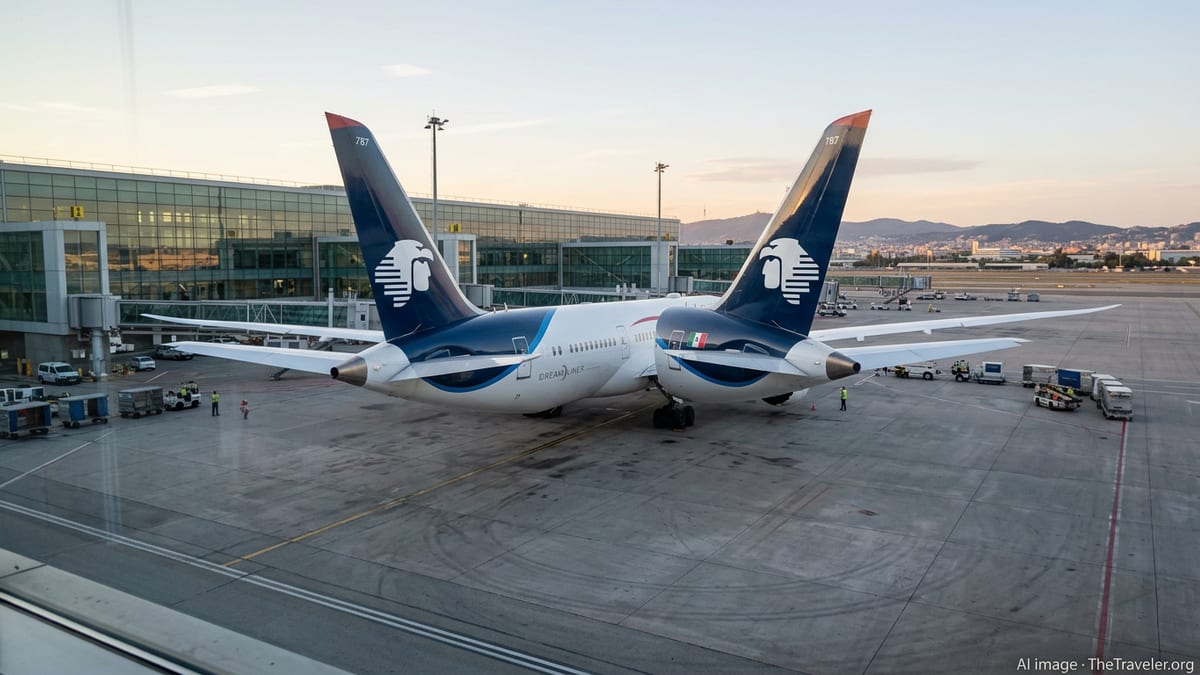
Mexico’s busiest air corridors suffered fresh disruption this week, as 209 flight delays and six cancellations rippled across services linking Cancun, Mexico City, and Guadalajara, intensifying scrutiny of a system already under pressure from weather, infrastructure work, and staffing constraints.
Get the latest news straight to your inbox!
Heavy Disruptions on Mexico’s Core Domestic Routes
The latest wave of disruption centered on flights connecting Mexico City with the key leisure and business markets of Cancun and Guadalajara, routes that rank among the busiest in the country by passenger volume. Publicly available flight-tracking data and airport boards for the day in question indicated a concentrated spike in late departures and arrivals, with some services pushed back by more than two hours.
Operational tallies compiled from airline and airport information showed a total of 209 delays and six outright cancellations across major domestic and international carriers serving the three airports. While delays dominate normal day-to-day variability in air travel, the clustering of so many schedule changes on the same city pair network drew attention from travelers and industry observers, who described crowded terminals, long lines at check in, and rebooking queues that stretched across departure halls.
The disruption affected both point to point passengers and those using Mexico City as a hub for onward connections. Missed links to regional cities and international destinations multiplied the impact of the original delays, contributing to a wider sense of instability around Mexico’s aviation performance in the high summer travel period.
Industry data on route density underscore why concentrated problems on these corridors are so visible. Mexico City to Cancun and Mexico City to Guadalajara consistently rank among Latin America’s heaviest traveled domestic routes by annual passenger numbers, meaning that even a relatively small percentage of affected flights can quickly translate into thousands of disrupted journeys.
Weather, Maintenance and Runway Works Converge
Reports from local outlets and official bulletins in recent weeks point to a convergence of short term triggers behind the latest wave of schedule problems. Mexico City’s airport has faced intermittent weather constraints, including heavy rain and low visibility that have periodically reduced arrival and departure rates and forced temporary use of a single runway. Under such conditions, air traffic managers routinely slow the flow of movements for safety, which then propagates as rolling delays through the day’s schedule.
At the same time, publicly available information from aviation authorities has highlighted ongoing maintenance and infrastructure work at key facilities, including runway and taxiway interventions intended to improve long term capacity and safety margins. While such projects are typically planned to minimize operational impact, they can nonetheless reduce flexibility during peak periods, making the system more vulnerable when storms, strong winds, or other weather disturbances coincide with already limited slots.
Airlines have also reported individual aircraft maintenance and rotation challenges that contributed to the disruption profile. When aircraft arrive late from earlier sectors or require unscheduled technical checks, carriers often face difficult trade offs in deciding whether to hold departing flights for connecting passengers, reassign aircraft across routes, or cancel individual rotations to stabilize later banks of service. On a network as dense as that linking Cancun, Mexico City, and Guadalajara, these tactical decisions can quickly magnify the visible scale of delays on departure boards.
These overlapping pressures underscore how relatively routine operational issues can combine to produce headline numbers, particularly on days when traffic levels are already elevated by school holidays and summer tourism demand to beach destinations such as Cancun.
Structural Strains in Mexico’s Air Traffic System
Beyond the immediate triggers, the episode has renewed debate about deeper structural strains in Mexico’s aviation system. Recent public reporting from industry unions and national media has drawn attention to a shortage of qualified air traffic controllers nationwide, with labor representatives warning of several hundred unfilled specialist positions and growing workloads in busy terminal areas.
Analysts note that when staffing levels are tight, control centers and towers have less flexibility to absorb surges in workload caused by weather deviations, medical events on board, or technical incidents at airports. In practice, this can translate into more conservative flow management, restrictions on the number of simultaneous arrivals and departures, and slower recovery from disruption once a backlog of flights has formed.
Mexico City’s complex airspace, overlapped by military zones and surrounded by high terrain, demands especially careful management. Any reduction in available controller positions or experience depth can therefore have outsized consequences on the efficiency of the country’s main hub, with knock on effects for regional airports such as Guadalajara and tourist gateways like Cancun that rely heavily on well sequenced arrival and departure streams.
Observers also point to the long running discussion over capacity constraints at Mexico City’s existing airport and the cancellation of earlier plans for a new hub. With infrastructure stretched close to declared limits during peak hours, even modest disturbances can have a significant impact on punctuality statistics, particularly when traffic volumes rise during holiday peaks.
Passenger Impact and Response from Airlines
For passengers caught in the latest wave of delays and cancellations, the immediate concerns were practical rather than structural. Social media posts and local coverage described long waits at boarding gates, rolling departure time updates, and frustrated travelers seeking meal vouchers or accommodation when missed connections forced overnight stays. Families heading to Cancun resorts reported losing valuable vacation time, while business travelers on the Mexico City to Guadalajara corridor faced rescheduled meetings and added expenses.
In response, airlines serving the affected routes activated standard contingency measures such as free rebooking onto later flights with available seats, priority handling for passengers with close connections, and the use of larger aircraft on certain rotations to clear backlogs. Some carriers also adjusted subsequent schedules, trimming frequencies on overlapping routes or retiming off peak services to create more recovery capacity around congested banks.
Consumer advocates reiterated existing guidance for travelers facing widespread disruptions. Recommendations included monitoring flight status closely through airline apps, checking in online to reduce time spent in airport queues, and keeping essential items such as medications, chargers, and a change of clothes in carry on bags in case checked luggage is delayed while connections are rerouted.
Despite those measures, the cumulative impact on passenger confidence is a growing concern for the sector. Frequent flyers and tourism operators have increasingly highlighted punctuality as a decisive factor in choosing airlines and even destinations, especially where alternatives such as regional airports or competing beach markets in the Caribbean and Central America exist.
Calls for Long Term Fixes as Peak Season Continues
The latest disruption has added urgency to ongoing discussions between government agencies, labor groups, airports, and airlines about long term reforms. Policy proposals circulating in public debate range from accelerated recruitment and training programs for air traffic controllers to revised slot rules and more transparent criteria for capacity declarations at congested airports.
Industry commentators stress that demand for air travel in Mexico continues to trend upward, particularly on domestic leisure routes linking interior cities to coastal destinations. Without corresponding investment in personnel, technology, and runway and terminal infrastructure, there is concern that high profile episodes of mass delays could become more frequent, especially during holiday peaks and adverse weather seasons.
For now, the focus remains on stabilizing operations as the northern summer progresses. Airports and airlines are under pressure to refine day of operations planning, coordinate more closely on turnaround times, and make earlier decisions to trim schedules when forecasts indicate that arrival and departure rates will be constrained. While such measures may reduce the total number of flights on offer on specific days, proponents argue that they can deliver a more reliable experience for the passengers whose journeys go ahead.
Travelers planning to use Cancun, Mexico City, or Guadalajara in the coming weeks are watching closely to see whether the latest episode is treated as a warning sign. The handling of the 209 delays and six cancellations is emerging as a case study in how Mexico’s aviation system copes when operational pressures, structural constraints, and peak demand collide.