


More news on this day
El Salvador’s tourism boom is accelerating into 2026 as new figures show record international arrivals, rising spending and an expanding mix of source markets, with Mexico joining the United States, Brazil, Canada, Spain, France and other countries among the most dynamic contributors to the country’s visitor growth.
Get the latest news straight to your inbox!
Record Visitor Numbers Surpass Government Targets
Publicly available data from El Salvador’s tourism authorities indicate that the country received close to 4 million international visitors in 2024, setting a new all-time high and extending a post-pandemic recovery that has rapidly turned into sustained expansion. The tally represented growth of more than 17 percent compared with 2023, when arrivals had already surpassed pre-2020 levels and marked a historic record.
Earlier projections from the Ministry of Tourism had set a goal of around 3.8 million international visitors for 2024. Reporting from regional business outlets shows that the final result exceeded this target by a significant margin, underlining how quickly traveler demand has outpaced official expectations. Analysts following Central American tourism describe El Salvador as one of the region’s fastest-growing destinations, with momentum carrying into 2025 as new air routes and product offerings come online.
Tourism has also emerged as a major foreign exchange earner. According to economic reports based on Central Reserve Bank data, visitor spending climbed into the multi-billion-dollar range in 2023 and 2024, with tourism now positioned among the country’s top-performing sectors. Average daily expenditure and length of stay have both risen compared with the immediate post-pandemic period, suggesting that El Salvador is attracting not only more visitors but also higher-value travelers.
Industry observers note that the pace of growth places El Salvador among the Latin American markets recovering most quickly in relative terms, even if its absolute visitor volume remains modest compared with regional giants such as Mexico and Brazil. For a small country with a compact territory and limited historical tourism infrastructure, the scale of the recent expansion is regarded as unprecedented.
Mexico Rises Alongside the US, Brazil, Canada and Europe
For years, the United States, Guatemala and Honduras have been the dominant source markets for El Salvador, reflecting both sizable diaspora communities and short travel distances. More recent breakdowns of origin markets published by Salvadoran tourism authorities and regional media show that this picture is evolving, with Mexico gaining ground alongside established partners such as Canada, Spain and France, as well as emerging contributors like Brazil and Colombia.
Tourism statistics released over 2023 and 2024 consistently identify the United States as the largest single source of visitors, accounting for close to 40 percent of arrivals in some datasets. Central America remains crucial, but reports indicate that the share classified as “other countries” has been expanding, driven in part by better connectivity with Mexico City and major hubs in South America and Europe. Within that group, travel analysts point to a notable increase in arrivals from Mexico, Brazil, Canada and key European markets, including Spain and France.
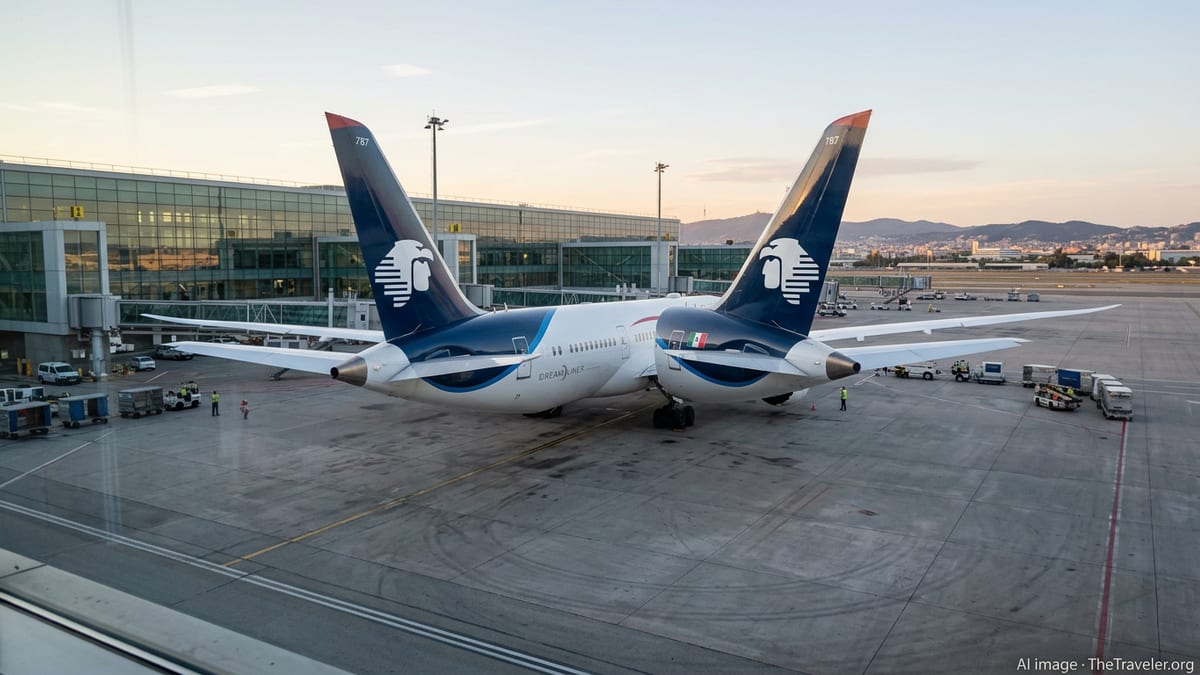
Mexico’s growing role is seen as particularly significant because it represents a large outbound market that already ranks among the world’s leading generators of international travel. Aviation schedules tracked by industry platforms show that Mexican and Salvadoran carriers have been adding frequencies and capacity on routes linking the two countries, while multi-destination itineraries that combine beach and culture in both Mexico and Central America are being promoted by regional tour operators.
Europe is also playing a larger part in El Salvador’s visitor mix. Published coverage from tourism and aviation outlets describes increasing traffic from Spain and France, often routed through major European hubs with connections via Mexico, Panama or the United States. Travel sellers targeting European surfers, nature enthusiasts and cultural travelers have begun to feature Salvadoran beaches and volcano routes more prominently, broadening the country’s reach beyond traditional diaspora-driven segments.
Security, Surfing and Niche Experiences Drive Demand
Several overlapping factors appear to be fueling El Salvador’s appeal for international travelers. One of the most frequently cited is a marked improvement in public security indicators compared with earlier years. International news organizations and economic research groups have reported dramatic declines in homicide rates since 2019, a shift that has altered global perceptions of the country and encouraged more visitors to consider it as a leisure destination.
At the same time, El Salvador has leveraged long-standing strengths in surf and nature tourism. Beaches such as El Tunco and El Zonte, already known among surfers, have benefited from global exposure linked to international competitions and extensive social media coverage. Travel features in regional and global outlets highlight consistent Pacific swells, a growing mix of boutique hotels and hostels, and access to nearby volcanoes and coffee-growing highlands, creating an attractive combination for adventure-focused visitors from North America, Mexico, Brazil and Europe.
The country’s high-profile experiment with bitcoin as legal tender has added another layer of international attention. While on-the-ground adoption of cryptocurrency in daily transactions appears mixed according to independent reporting and traveler accounts, the policy has drawn curiosity from investors, digital nomads and niche tourism segments. This has contributed to a perception of El Salvador as an innovative and fast-changing destination, even if the direct causal impact of bitcoin on visitor numbers is still debated among analysts.
Government-backed infrastructure programs have also supported the boom. Publicly available information points to improvements in road networks, airport facilities and coastal public spaces, as well as the development of tourist corridors linking beaches, archaeological sites and mountain towns. These upgrades have made it easier for visitors from countries such as Mexico, Canada and Spain to combine multiple regions within a single trip, encouraging longer stays and higher spending.
Economic Impact Spreads Across the Tourism Value Chain
The surge in international arrivals is having visible effects across El Salvador’s tourism ecosystem. Hotel and short-term rental capacity has expanded in coastal communities and urban centers, with local business registries and hospitality reports noting a steady rise in new accommodations, restaurants and tour operators. Small and medium-sized enterprises specializing in surfing, diving, hiking and cultural experiences have proliferated, particularly along the Pacific coast.
Employment data compiled by Salvadoran institutions and multilateral organizations show tourism-linked jobs growing faster than many other sectors. Positions in hospitality, transportation, food services and entertainment have increased as visitor numbers climb, while ancillary activities such as construction, retail and agriculture are benefiting from higher demand tied to hotel development and restaurant supply chains.
International observers point out that tourism income has become an important complement to remittances, which have historically played an outsized role in El Salvador’s economy. As spending by travelers from the United States, Mexico, Canada, Brazil, Spain, France and other markets rises, foreign exchange earnings from tourism are helping to diversify external revenue sources and reduce reliance on a single inflow channel.
At the same time, some local and international analyses caution that rapid growth brings challenges. These include pressure on coastal ecosystems, rising property prices in popular beach towns and the need for investments in water, waste management and public transport systems to ensure that the benefits of tourism are broadly shared and environmentally sustainable. Policy briefs from development organizations emphasize that how El Salvador manages this chapter of accelerated expansion will shape the long-term resilience of its tourism industry.
Regional Context and Outlook for 2026
El Salvador’s surge is unfolding within a wider regional rebound in travel, as destinations across the Americas recover from the disruptions of the early 2020s. Global tourism data compiled by international organizations show that the Americas have regained and, in many cases, surpassed pre-pandemic arrival levels, with Mexico, the United States and Brazil acting as major engines of outbound travel as well as inbound demand.
Within Central America, published rankings place El Salvador among the leaders in percentage growth, even if neighbors such as Costa Rica, Panama and Guatemala continue to receive larger absolute numbers of tourists. Some industry analysts suggest that El Salvador is now emerging as a complementary stop on multi-country itineraries that originate in Mexico or South America and loop through several Central American destinations.
Investor-oriented materials produced by Salvadoran agencies highlight a robust pipeline of tourism projects, including new coastal developments, upgraded marinas, expanded airport capacity and additional hotel brands targeting midscale and upscale segments. These initiatives are designed to attract higher-spending visitors from markets such as Canada, Spain and France, while maintaining accessibility for regional travelers from Mexico and the rest of Latin America.
Forecasts from tourism research groups and financial institutions point to continued growth in 2025 and 2026, albeit from a relatively small base. As Mexico, the United States, Brazil, Canada, Spain, France and other key partners deepen air connectivity and commercial ties with El Salvador, the country’s tourism boom appears set to remain one of Latin America’s most closely watched success stories, with record-breaking arrival figures now viewed less as anomalies and more as a new normal for the Central American nation.