


More news on this day
Hundreds of passengers at Miami International Airport experienced significant disruption as more than 220 flights were delayed and a series of cancellations rippled across major U.S. and Canadian routes operated by American Airlines, Frontier, United, Southwest and other carriers.
Get the latest news straight to your inbox!
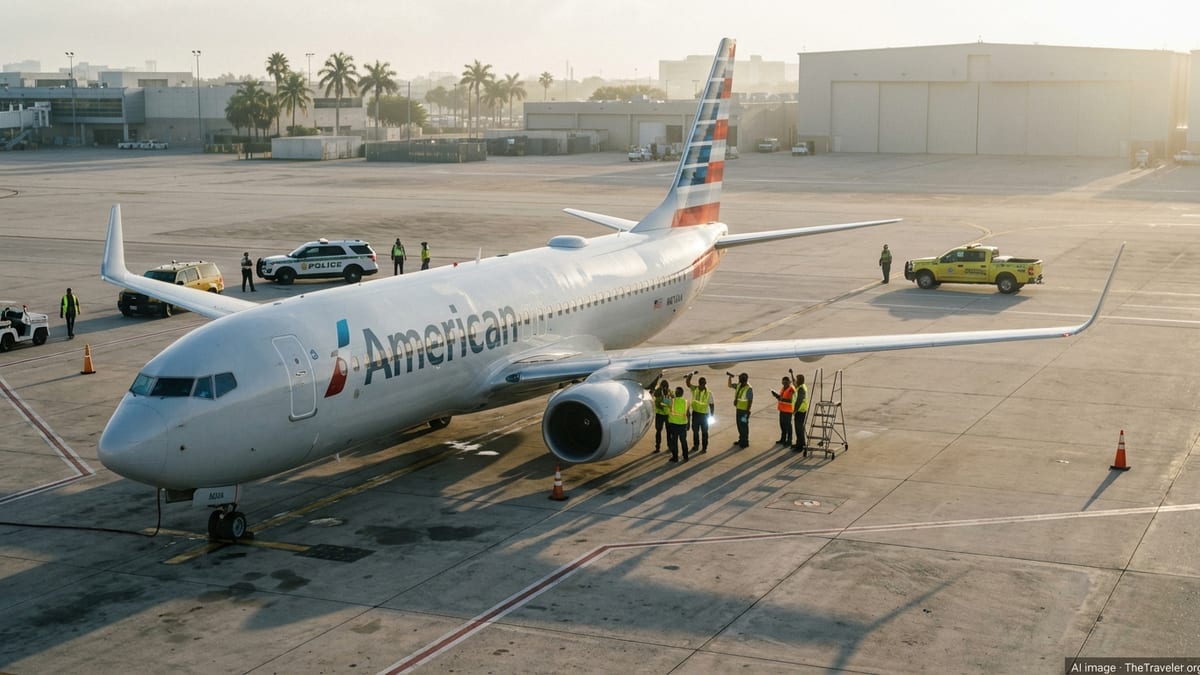
Delays Mount Across Miami’s Busy Hub
Publicly available tracking data for May 11 indicates that Miami International Airport recorded more than 200 delayed departures and arrivals, along with a smaller number of outright cancellations, affecting a broad mix of domestic and international services. The disruption hit some of the airport’s most heavily traveled corridors, including flights to Dallas, Atlanta, Toronto and New York City.
American Airlines, which maintains a major presence at Miami, appeared among the most affected carriers, alongside low cost operator Frontier and large network airlines such as United and Southwest. Delays ranged from modest schedule slips to hold ups of several hours, leaving passengers clustered around departure boards and gate areas while schedules were repeatedly adjusted.
Operational data shows that traffic at Miami remains robust, with the airport serving as a critical gateway between the United States, Latin America and the Caribbean. On busy days, even a relatively limited number of cancellations can trigger knock on effects across the network, as aircraft and crew rotations fall out of place and subsequent services depart behind schedule.
While the precise mix of contributing factors at Miami varied by flight, the pattern of rolling delays and selected cancellations aligned with broader strain across U.S. air travel in recent months, where tight airline schedules, constrained staffing and weather sensitivities have left little margin when small problems emerge.
Key Routes to Dallas, Atlanta, Toronto and New York Affected
The impact was particularly visible on high demand routes linking Miami to major hubs such as Dallas Fort Worth, Atlanta, Toronto Pearson and New York area airports. These city pairs are among the busiest corridors in North American aviation, served by multiple carriers and feeding extensive domestic and international connections on both ends.
Flights between Miami and Dallas Fort Worth, an important link for American Airlines and other operators, saw a series of delays that compressed available connection windows for onward travel. Travelers heading for evening transcontinental and international departures in Texas faced uncertainty as successive schedule updates shortened the time available to change planes.
Services to Atlanta, a key Southeastern hub and a frequent connection point for flights throughout the United States, also experienced disruptions. Even moderate delays on this route can cascade across the network, particularly for passengers with tight onward links to Midwestern and West Coast destinations.
Northbound routes to Toronto and New York City, important for both business and leisure traffic, were similarly affected. In several instances, northbound departures left Miami significantly behind schedule, complicating evening arrivals and onward regional flights in both Canada and the U.S. Northeast.
Mixed Operational Pressures Behind the Disruptions
According to published coverage and real time tracker information, the pattern of delays at Miami reflected a familiar combination of pressures that have challenged airlines across the United States. Weather remains a recurring factor, particularly in spring, when storms in one region can trigger ground stops or flow restrictions that ripple through distant hubs.
In addition to weather related constraints, airline operations have faced persistent sensitivity to crew and aircraft availability. Industry analysis over the past year has highlighted how lean schedules and high aircraft utilization can quickly turn small disruptions into larger waves of delays, especially at complex connecting hubs such as Miami and Dallas Fort Worth.
Observers also point to the role of air traffic control constraints and congestion at major airports, which can produce arrival and departure metering that slows traffic during peak periods. When multiple carriers schedule dense banks of flights through the same airports at similar times of day, any reduction in capacity can force airlines to hold, reroute or in some cases cancel flights.
The situation at Miami fits into this broader pattern, where the combined effects of heavy demand, constrained infrastructure and tight airline scheduling periodically lead to visible surges in delays and operational strain, even when the overall system continues to move the majority of flights.
Passenger Experience: Long Waits, Missed Connections and Rebookings
For travelers, the Miami disruptions translated into long waits at gates, missed connections and rapid rebooking efforts as airlines tried to absorb affected passengers into later services. On busy routes such as Miami to New York or Miami to Dallas, subsequent flights can fill quickly, leaving limited options for same day travel once irregular operations take hold.
Many passengers turned to airline apps and customer service channels to monitor changing departure times and adjust plans. Recent travel commentary has noted that same day flight changes and standby lists are increasingly common when irregular operations affect major hubs, particularly for carriers like American Airlines, Southwest and Frontier that operate dense networks through specific airports.
Some travelers facing missed connections opted to reroute through alternative hubs, such as connecting via Charlotte, Houston or Orlando, when capacity allowed. However, when delays are widespread, spare seats can be scarce across multiple carriers, increasing the likelihood that some passengers remain stranded overnight or arrive at their destinations many hours later than planned.
The experience at Miami underscores how even relatively modest cancellation totals can still disrupt hundreds of itineraries, particularly when delays affect first bank departures and evening return flights that anchor daily schedules for leisure and business travelers alike.
What Travelers Can Do When Disruptions Hit
Travel industry guidance suggests several steps passengers can take when confronted with the sort of rolling delays seen at Miami. Monitoring flight status frequently through airline apps and airport displays is one of the most effective ways to stay ahead of gate changes and revised departure times, particularly when conditions are evolving quickly.
Travel experts often encourage passengers with tight connections to proactively explore alternative routings as soon as significant delays appear likely, rather than waiting until a misconnection has already occurred. Same day switches onto earlier or differently routed flights, when available, can preserve onward links that might otherwise be lost.
Booking directly with airlines and maintaining updated contact details can also simplify rebooking when irregular operations occur. In periods of widespread disruption, carriers often prioritize automated rebooking processes and app based notifications, which can be faster than waiting in airport service lines.
Events at Miami highlight the continued importance of flexibility, contingency time and travel insurance for those connecting through busy hubs. As air traffic remains strong and airline operations continue to run close to capacity, episodes of concentrated delays and localized cancellations are likely to remain a recurring feature of the travel landscape.