


More news on this day
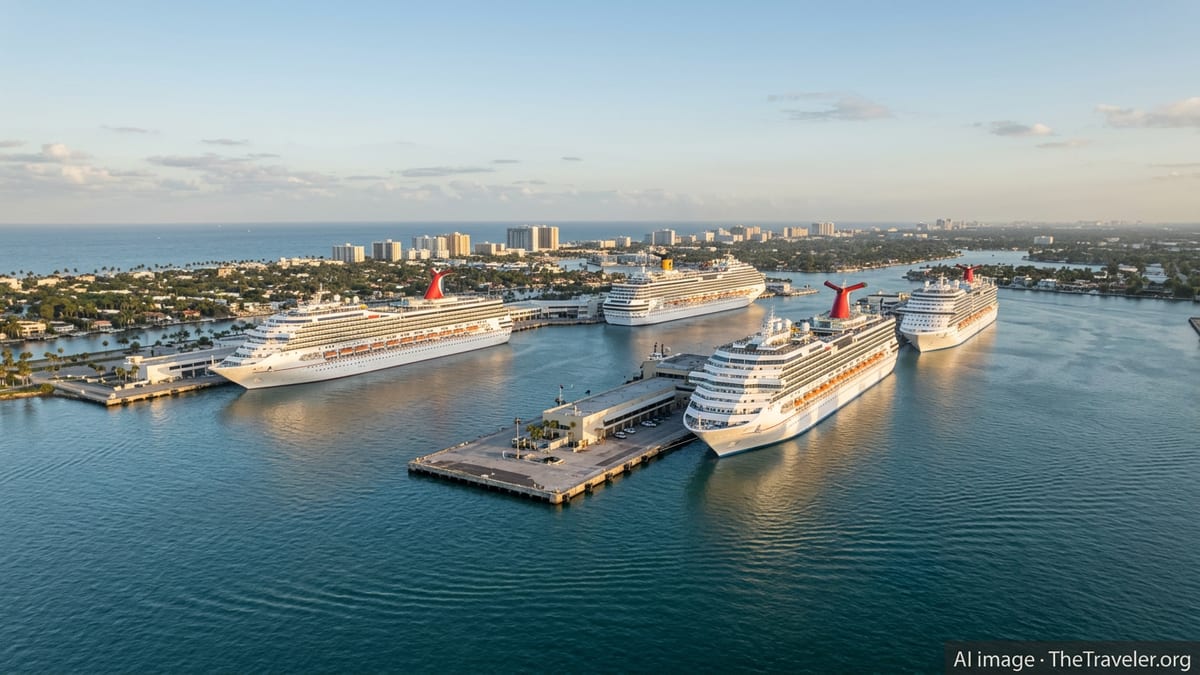
Police in Miami are urging cruise passengers sailing from PortMiami to prepare for heavier than usual traffic and tighter security as World Cup fan festivities at Bayfront Park draw large daily crowds to the city’s downtown waterfront.
Get the latest news straight to your inbox!
World Cup Fan Festival Converges With Peak Cruise Departures
The FIFA World Cup Fan Festival at Bayfront Park, running from mid June to early July, is turning downtown Miami into one of the city’s busiest gathering points, with reports indicating that thousands of supporters are arriving each afternoon for match screenings, concerts, and sponsor activations. The park sits just across Biscayne Bay from PortMiami, placing the cruise district directly in the path of event traffic.
Publicly available planning documents for the tournament show that Bayfront Park has been designated the primary fan zone for Miami, with space for tens of thousands of visitors each day. World Cup match days at the newly branded Miami Stadium in Miami Gardens, combined with evening fan events downtown, are creating overlapping waves of vehicle and pedestrian movement across the urban core.
For cruise passengers, the convergence is happening at an already busy time for PortMiami, where multiple large ships are scheduled to turn around on weekends and some weekdays throughout June and July. Travel industry schedules list new megaship deployments and seven night Caribbean departures from the port during the same weeks that World Cup festivities are peaking, placing additional strain on key approach routes.
Local accounts from recent match days describe slow going on major corridors into downtown during late afternoon and early evening, even before fans and cruise travelers converge near the port causeways. With many visitors relying on ride share services between hotels, the airport, fan zones, and the port, the network of bridges and surface streets is becoming increasingly congested around event times.
Traffic Restrictions Near Bayfront Park and Along the Waterfront
According to published coverage of federal and local planning, security measures for the World Cup festival include a regulated waterfront zone in the channel between Port Boulevard and the mouth of the Miami River, adjacent to Bayfront Park. U.S. Coast Guard notices describe temporary restrictions on certain vessel movements in this stretch during festival hours, reflecting the sensitivity of the area that separates downtown from the cruise piers.
On land, publicly available transportation guidance for the tournament encourages visitors headed to Bayfront Park to use Metrorail, Metromover, and bus connections rather than drive into the core. Miami Dade transit agencies have announced extended operating hours for rail lines serving the Government Center and Bayfront Park area on selected match and festival dates, signaling expectations of sustained late night crowds.
Informal reports shared by local residents and volunteers describe intermittent street closures or lane reductions around Biscayne Boulevard and nearby cross streets to manage festival staging, deliveries, and crowd control. Even when full closures are not in place, turn restrictions and police controlled intersections can slow traffic at peak times, particularly for vehicles arriving from the MacArthur and Port Boulevard causeways that link PortMiami to downtown.
Travelers heading to and from the cruise terminals are being advised by local media and online community forums to anticipate delays at chokepoints near the port tunnel, on the causeways, and at intersections feeding into Biscayne Boulevard when festival programming coincides with cruise embarkation and disembarkation windows.
Miami Police Highlight Timing and Route Planning for Cruise Guests
Traffic advisories tied to the World Cup period stress that drivers should allow substantially more time than usual to reach PortMiami, especially on days when afternoon or evening matches are paired with major fan events downtown. Reports from previous large scale celebrations at Bayfront Park, including New Year’s Eve, show that Miami police commonly implement rolling closures, diversions, and manual traffic control in the vicinity, with eastbound routes toward the port sometimes affected.
Public information released for similar events indicates that traffic officers are often stationed at key junctions on Port Boulevard, Biscayne Boulevard, and nearby downtown arteries to direct vehicles and keep emergency lanes clear. While full details for each World Cup date can vary, the overall pattern points to slower journeys for private cars, taxis, and ride share vehicles entering or exiting the port district when crowds are building at the festival site.
Passengers boarding ships at PortMiami are being encouraged by cruise focused travel outlets and online discussion boards to schedule earlier arrival windows at the terminal than they might during non event periods. Some travelers recount needing 30 to 45 minutes to cover short distances around the port when past road closures or tunnel restrictions coincided with heavy demand.
In addition to extra time, several local guides recommend that travelers stay aware of stadium kick off schedules and Bayfront Park programming, since the heaviest congestion is expected in the hours before evening matches and headline concerts. Adjusting ride times away from those peaks, when possible, may help cruisers avoid the worst backups near the causeways and downtown exits.
Transit and Alternative Options to Bypass Gridlock
Miami Dade’s World Cup transportation plan positions public transit as a key relief valve for both soccer fans and cruise visitors who are staying in the urban core. County transportation updates describe extended service on Metrorail and the free Metromover system, which links downtown hotels, the Brickell district, and the Bayfront area without adding to roadway congestion.
Regional rail operators and express bus services are also marketing special connections to Miami Stadium and downtown fan zones, presenting them as an alternative to driving and parking near the venues. For cruise passengers, one strategy highlighted in local transportation commentary is to stay in neighborhoods well served by rail or Metromover and use those lines to get close to the port before transferring to short taxi or shuttle rides.
Ride share users are being advised in online forums to confirm designated pickup and drop off points that remain accessible during festival nights, rather than relying on mapping apps that may not fully reflect temporary closures around Bayfront Park. Some visitors report walking a few blocks away from the heaviest traffic to meet cars on less restricted streets, cutting down on time stuck in gridlock near the waterfront.
For those determined to drive, parking experts recommend checking ahead with hotels or parking garages east of Interstate 95 and confirming whether there are special event rates or restrictions during the tournament period. Reserving a spot in advance and planning a clear exit route toward the port causeways may help reduce last minute stress for travelers headed to catch a ship.
What Cruise Travelers Should Do Before Sailing
With Miami serving both as a World Cup host city and one of the world’s busiest cruise gateways this summer, travel planners suggest that passengers treat ground transportation as a critical part of their trip preparation. That includes monitoring local news and municipal advisories for any day specific changes to traffic patterns, causeway access, or port entry points linked to the World Cup festival calendar.
Travel insurance specialists and cruise focused publications routinely advise against flying into a departure city on the same day a cruise begins, and the World Cup overlay in Miami gives added weight to that guidance. Staying overnight near downtown or close to a rail connection can provide a buffer against traffic disruptions on match and festival days.
Cruise lines and port related operators are expected to share reminders through pre cruise emails and apps encouraging guests to arrive early and account for potential congestion. Travelers are being urged to factor in possible delays not only on highways leading into Miami, but also on the final approach into PortMiami, where security checks, construction, and event related diversions may all contribute to slower movement.
For visitors combining a holiday at sea with time at the World Cup festival, local tourism voices frame the situation as manageable with planning. By checking schedules, leaning on transit where practical, and building in generous time cushions around embarkation and disembarkation, passengers can reduce the impact of Miami’s World Cup traffic surge on their cruise experience.