


More news on this day
Tourism across the Middle East is facing some of its steepest declines in decades, as Jordan joins Saudi Arabia, the United Arab Emirates, Qatar, Egypt, Turkey, Lebanon and neighboring destinations in grappling with the economic fallout of the Iran war and a sudden loss of visitor confidence.
Get the latest news straight to your inbox!
Sharp Drop in Arrivals as Conflict Reshapes Travel Maps
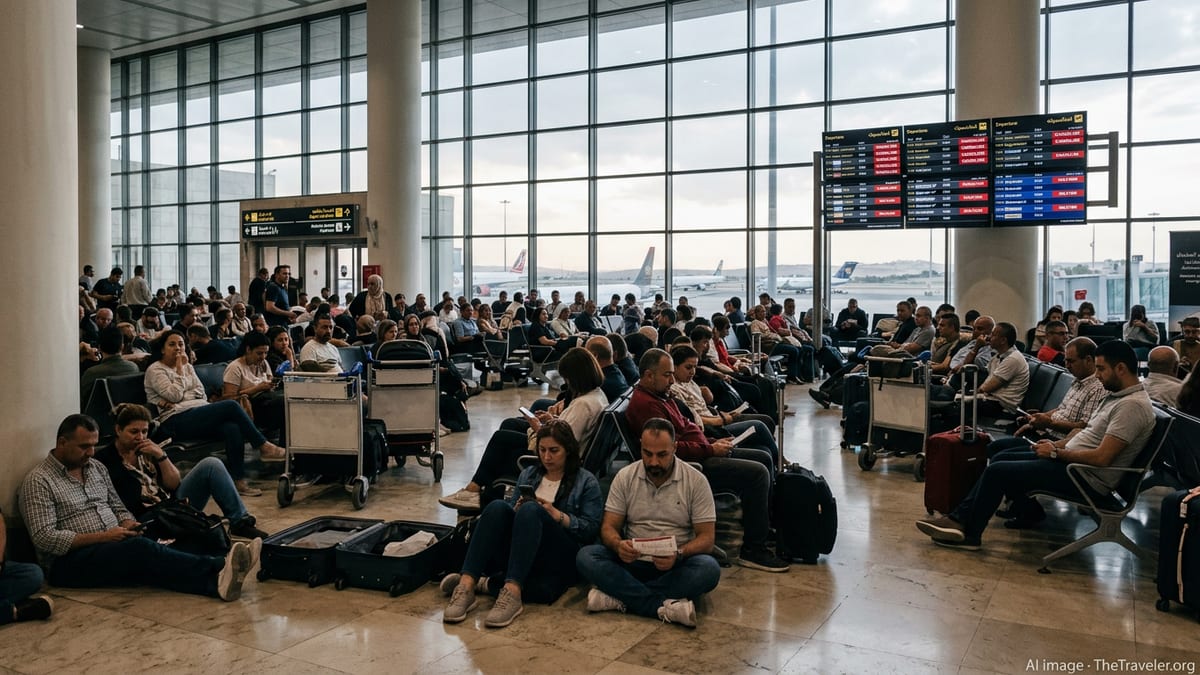
Regional tourism data and industry analyses indicate that international arrivals to the Middle East are falling sharply in the wake of the 2026 Iran war. Forecasts from tourism consultancies suggest inbound travel to the wider region could contract by more than a quarter this year, with Iran, Israel and Lebanon among the hardest hit, and significant declines also expected across the Gulf states and eastern Mediterranean.
Travel booking platforms and airline scheduling information point to widespread cancellations and rerouting of holidays that would normally combine Gulf stopovers with itineraries in Jordan, Egypt or Turkey. Traditional multi-country trips built around hubs such as Dubai, Doha and Istanbul have been disrupted by airspace closures, flight suspensions and heightened perceptions of risk among long-haul visitors from Europe and Asia.
Industry observers note that these setbacks follow several years of strong recovery from the pandemic. Many destinations that had banked on 2026 as a consolidation year for tourism growth are now revising expectations downward, reallocating marketing budgets and exploring new source markets less sensitive to regional security concerns.
Jordan’s Tourism Hopes Stalled by Regional Shock
Jordan, which had positioned itself as a relative safe haven and cultural gateway between the Levant and the Gulf, is now experiencing a sharp reversal in tourism momentum. Publicly available travel and economic assessments describe the country as highly exposed to regional trade and tourism shocks, with the Iran war adding a new layer of uncertainty to an already fragile outlook.
Iconic sites such as Petra, Wadi Rum and the Dead Sea had been benefitting from increased air connectivity and joint packages with Gulf carriers. Since late February, however, tour operators report slower bookings, higher insurance costs and more frequent itinerary changes, particularly for group and pilgrimage travel that once linked Jordan with Saudi Arabia and Jerusalem.
Economic projections examined by regional development institutions point to tourism as a key transmission channel through which the conflict can weigh on Jordan’s growth, alongside trade disruptions and higher energy prices. While the country has so far avoided large-scale physical damage, the broader climate of instability in air routes and neighboring territories is eroding the sense of security that underpins its visitor economy.
Gulf and Eastern Mediterranean Hubs See Bookings Collapse
Across the Gulf, early indicators from hotel performance metrics, cruise itineraries and aviation capacity show a notable downturn. Coverage of the conflict’s economic impact highlights cancellations in cruise calls to Gulf ports following missile and drone incidents in and around the Strait of Hormuz, as operators reassess itineraries and insurance premiums rise.
Major hubs in the United Arab Emirates, Qatar and Saudi Arabia, which have invested heavily in tourism infrastructure and global events, now face headwinds from both security concerns and the spike in oil prices linked to supply disruptions. Analysts note that while higher energy revenues can support government finances in the short term, they also push up operating costs for airlines and hospitality businesses, complicating recovery efforts.
In the eastern Mediterranean, the knock-on effects of the Iran war and extended regional tension have reached Turkey and Lebanon. Reports on travel patterns show that some European holidaymakers are shifting summer plans toward alternative destinations perceived as more distant from the conflict. Lebanon, already under severe economic strain, is dealing with both security fears after cross-border strikes and a further loss of high-spending Gulf visitors who had only gradually returned in recent years.
Airspace Closures, Cruise Disruptions and Rising Costs
Aviation and maritime disruptions are playing a central role in the tourism downturn. During the initial stages of the war, several Middle Eastern countries restricted or closed parts of their airspace to civilian traffic. This led to widespread diversion of flights, longer routes and higher fuel burn on corridors linking Europe and Asia, reducing the appeal of stopovers and increasing ticket prices for leisure travelers.
Maritime risk assessments for the Strait of Hormuz and surrounding waterways have also shifted. Insurers have raised premiums for vessels transiting the area, and some cruise operators have temporarily suspended or rerouted Gulf itineraries. The loss of high-capacity cruise calls is particularly damaging for ports that had relied on day-trip excursions to showcase new museums, waterfront districts and shopping destinations.
Hotel and tour operators from Jordan to Egypt and the Gulf report that elevated operating expenses, from energy to security, are squeezing margins at the same time that occupancy rates are weakening. Industry analysts caution that prolonged instability in air and sea corridors could entrench a perception of the broader Middle East as a complex or risky region for leisure travel, even in destinations far from active hostilities.
Governments Pivot to Resilience and Domestic Markets
Faced with these pressures, governments across the region are adjusting tourism and economic strategies. Publicly available policy statements and budget documents show a renewed emphasis on domestic and regional tourism, with campaigns encouraging residents to travel within their own countries and short-haul promotions targeting relatively resilient markets.
Some Gulf states are accelerating efforts to diversify visitor source markets beyond Europe, with increased attention to India, China and Southeast Asia once flight patterns and safety perceptions allow. Jordan and Egypt are seeking to deepen cooperation with European tour operators on flexible booking conditions and travel advisories, in an attempt to prevent a complete collapse of group travel.
Analysts suggest that the pace at which airspace normalizes, maritime risk premiums ease and political tensions deescalate will determine whether the current tourism slump proves temporary or becomes a prolonged setback. For now, the Iran war has redrawn the risk map for travel across the Middle East, leaving economies from Amman to Riyadh and Istanbul to Beirut searching for ways to keep their tourism ambitions alive amid unprecedented uncertainty.