

More news on this day
One of Britain’s key intercity rail corridors remains partly closed after a fatal collision between two East Midlands Railway passenger trains near Bedford, leaving a driver dead and scores of people injured.
Get the latest news straight to your inbox!
Key north–south route disrupted after rear-end crash
The collision occurred on the Midland Main Line on Friday 19 June, on the stretch of track between Bedford and Luton, when a southbound East Midlands Railway service ran into the rear of another London-bound train. Reports indicate that the incident took place shortly after the evening peak, at around 5:15 p.m., near Elstow just south of Bedford, at a time when services on the corridor were heavily loaded.
According to published coverage, at least one person, believed to be a train driver, died in the impact, while around 100 passengers required medical assessment. Around 30 people remained in hospital through the weekend, with several reported to be in critical condition. Images from the scene show significant damage to the leading vehicles of one train and buckled track infrastructure.
The Midland Main Line links London St Pancras with Leicester, Derby, Nottingham and Sheffield, and is one of the principal passenger routes out of the capital. The section south of Bedford also carries intensive commuter and airport traffic, meaning any closure quickly spreads disruption across a wide area of the network.
Following the collision, a major incident was declared locally and rail traffic was halted between London and the East Midlands on the affected section. Services were suspended while emergency teams evacuated passengers, stabilised the scene and began complex recovery work on the damaged rolling stock and infrastructure.
Line closure extended as recovery and inspections continue
Initial expectations suggested that the affected stretch of the line might reopen at the start of the new working week. However, updated information from rail industry channels over the weekend indicated that the closure would last longer than first anticipated, with the Midland Main Line due to remain shut south of Bedford while safety inspections and repairs continue.
Network access notices and operator alerts describe an ongoing programme of recovery, including the removal of damaged carriages, checks on overhead electrification equipment and detailed assessment of track and signalling assets in the area of the collision. The force of the impact, and the proximity to busy junctions south of Bedford, appear to have led engineers to adopt a cautious approach before allowing any trains to run.
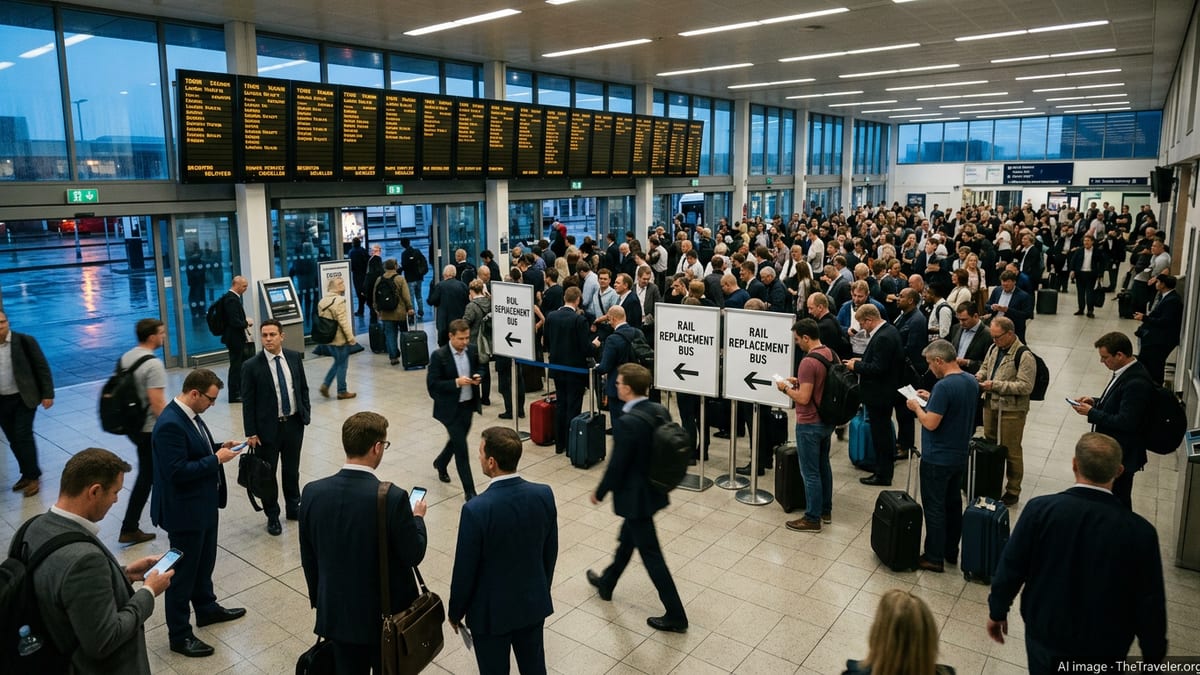
Publicly available information shows that replacement bus services have been deployed on some sections, while rail operators are advising passengers to delay non-essential journeys or use alternative routes where possible. Journeys between London and cities such as Nottingham, Derby and Sheffield are taking significantly longer than usual, often involving diversions via other main lines or cross-country connections.
Industry updates suggest that the reopening will be phased, with freight and limited test movements expected to run before any full passenger timetable is restored. Timings will depend on the outcome of engineering assessments and on clearance from safety investigators overseeing work at the crash site.
Impact on travellers across the Midlands and beyond
The extended closure is affecting not only long-distance intercity passengers but also commuters in Bedfordshire and the wider East Midlands. The Midland Main Line carries a mix of fast and semi-fast services, and its role as a primary route into London means that any sustained disruption can quickly ripple into crowded alternative corridors.
Transport updates over the weekend showed increased pressure on neighbouring routes into the capital, including lines serving Peterborough and the West Coast Main Line corridor, as passengers sought different ways to reach London. Travellers reported longer journey times, frequently changing itineraries and short-notice alterations as operators adjusted service plans in response to capacity constraints.
The timing of the collision, at the start of a summer weekend, also affected leisure and tourism travel. Visitors heading to and from destinations in the East Midlands faced cancellations and extended detours, with some rail tickets being accepted on other operators’ services. Rail travel planners recommend that anyone with time-sensitive connections, including flights, leave additional margins and check for live updates before setting out.
For passengers with accessibility needs, the substitution of buses for trains on parts of the route is adding complexity. Public information channels advise travellers who require assistance to contact operating companies in advance, since not all replacement road vehicles can accommodate wheelchairs or mobility equipment in the same way as modern rolling stock.
Safety investigation launched into cause of collision
A formal investigation into the Bedford collision is underway, led by national rail safety bodies and specialist accident investigators. According to published reporting, teams are examining data recorders from both trains, signalling logs and maintenance records, as well as interviewing staff and passengers to understand the sequence of events before impact.
Early descriptions of the incident indicate a rear-end collision between two trains running in the same direction towards London St Pancras. Investigators are expected to consider factors such as the performance of lineside and in-cab signalling, train protection systems, operational procedures and any temporary changes to the timetable associated with engineering works in the area.
Reports indicate that the section of line where the crash took place had been subject to ongoing improvement and maintenance activity. While there is no confirmed link between that work and the collision, the presence of engineering teams and altered operating patterns may form part of the overall inquiry. The aim will be to determine whether any systemic issues, human factors or equipment failures contributed to the crash.
Initial findings from such investigations can take weeks, while full reports with recommendations may take many months. In the meantime, interim safety measures may be introduced on parts of the Midland Main Line and other similar routes, particularly where comparable signalling or control systems are in use.
What passengers should expect in the coming days
Travellers planning to use the Midland Main Line over the next several days are being urged, via operator and industry channels, to assume continued disruption on journeys that would normally run through Bedford. Timetables are being revised at short notice, with reduced frequencies, altered stopping patterns and some services terminating short of London or diverting via other main lines.
Passengers with advance tickets are being offered flexibility in many cases, including the option to travel on earlier or later services, or to use different routes where space is available. Rail users are advised to consult journey planners on the day of travel, as printed or previously downloaded schedules may no longer be accurate while the closure remains in place.
For international visitors and domestic tourists, the disruption underscores the importance of allowing extra time when connecting between long-distance trains and airports, ports or coach services. Travel advisers are recommending that passengers consider alternative hubs if their usual route via the Midland Main Line is heavily affected, and to keep documentation of any changes or delays for potential compensation claims.
As engineers and investigators continue work near Bedford, the closure of the Midland Main Line highlights both the central role of the route in Britain’s rail network and the scale of the challenge involved in restoring normal operations after a major incident. The coming days will be critical for determining when trains can safely resume and how quickly confidence can be rebuilt among the thousands of passengers who rely on the corridor each day.