


For most travelers, Baia is a name attached to haunting images of a submerged Roman city and grand archaeological ruins. Yet this small coastal district of Bacoli, just west of Naples, offers far more than mosaics under the sea. Between steamy thermal pools, a working marina, simple seafood bars, and quiet vineyard roads in the surrounding Phlegraean Fields, Baia is one of the easiest places near Naples to slow down. This guide focuses on the best things to do in and around Baia once you have ticked off the big archaeological sights, with an emphasis on real experiences, current prices where possible, and the relaxed rhythm of local life.
Get the latest updates straight to your inbox!
Soak in Baia’s Modern Thermal Pools and Historic Hot Springs
Baia has been synonymous with hot water since Roman times, when emperors built extravagant spas along this geothermal coastline. Today, you can still experience this thermal culture without stepping into a museum. One of the most accessible options in Baia itself is Baia Terme Club in Bacoli, a modern wellness complex with several pools fed by naturally hot mineral water, plus a cold pool and a panoramic terrace facing the Bay of Naples and Ischia. Recent price lists and local directories suggest day access to similar spa areas in Campania often starts around 35 to 45 euros per person, usually including use of pools, loungers, and a towel or bathrobe, with massages and treatments extra. Baia Terme Club sits in this range, and it is popular with both locals and weekenders from Naples who come for a half day of soaking and people watching rather than a full spa retreat.
If you prefer something more atmospheric and old fashioned, the historic Terme Stufe di Nerone sits a short drive from Baia on the road toward Pozzuoli. This spa uses natural fumaroles and underground heat in vaulted rooms and outdoor pools that preserve the feel of a centuries old bath complex. Visitors typically spend two or three hours rotating between warm pools, hotter grottos, and relaxation areas under citrus and palm trees. Exact prices change seasonally, but entrance is usually on par with similar thermal parks in the region, and midweek passes are often cheaper than weekends. Bring simple flip flops, a swimsuit, and a light robe or cover up, as Italian spas often require these for moving between wet and dry areas.
Whichever spa you choose, it is wise to reserve online or by phone, especially from late spring through early autumn when Neapolitans escape the city heat. Aim for morning or late afternoon sessions for a calmer atmosphere. Not only are the pools less crowded, but the lower sun makes the water temperature feel more comfortable, particularly in summer when the hottest pools can be intense.
Head Out on the Water: Boat Trips, Snorkeling and Sea Views
Baia is first and foremost a place of water, so one of the most rewarding ways to spend time here is to simply get out on the bay. Local diving centers like Sea World Baia Diving and Subaia operate from the small marina and offer a menu of trips, from beginner friendly snorkel outings to full scuba dives in the underwater archaeological park. Snorkeling tours that focus on the submerged Roman remains generally last about three hours door to door, including time to receive equipment and instructions on land. Current listings show prices around 35 euros per person for a standard snorkel trip, typically including mask, snorkel, fins, wetsuit, guide, and the basic services of the diving center such as showers and a changing area. The mandatory park fee, around a few euros, may be paid separately on site.
For certified divers, guided single or double tank dives in the submerged park are a signature experience, often priced from about 45 to 90 euros depending on whether you book one or two dives and whether you need to rent full gear. Groups are kept small, and operators stress safety and strict respect for the protected site. You are not just swimming over broken stones: you glide above mosaic floors, columns, and statue bases just a few meters below the surface, with visibility that can be surprisingly good on clear days. It is a rare intersection of underwater adventure and cultural travel, yet it still feels relaxed rather than overly commercialized.
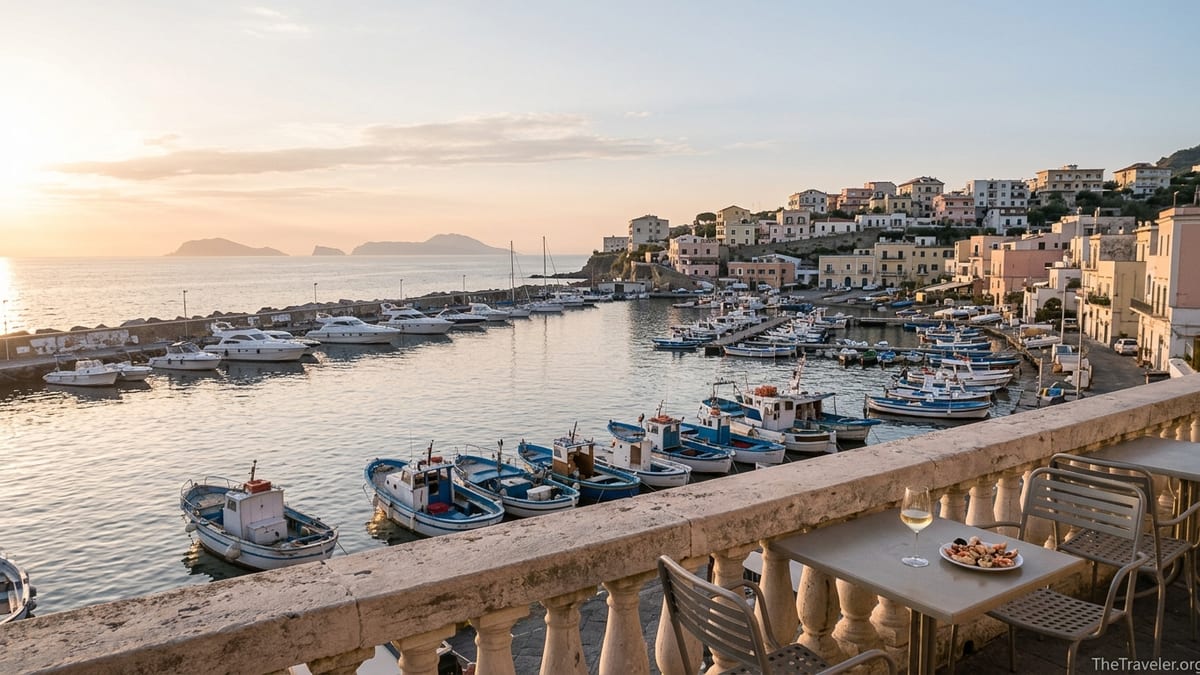
Even if you are not interested in archaeology, Baia’s coastline is pleasant for a simple boat trip. In summer, private skippers and small tour boats based in the marina offer short coastal cruises along the Phlegraean shoreline toward Capo Miseno, with stops to swim in small coves when sea conditions permit. Prices vary widely depending on group size and whether you charter privately, but expect to pay roughly 30 to 50 euros per person for a shared half day trip, often with soft drinks included. These outings are less about guided commentary and more about sea breeze and scenery: pastel houses climbing the slopes of Bacoli, small fishing boats bobbing near the shore, and broad views across to Procida and Ischia on clear days.
If you prefer to stay on land, the marina itself is a pleasant place for an evening stroll. Fishermen mend nets, small motorboats and yachts come and go, and on summer weekends locals gather at simple kiosks for beers, spritzes, and paper cones of fried seafood as the light fades. It is informal and often a bit chaotic, but it gives you a sense of Baia as a living coastal community, not just a backdrop to history.
Eat and Drink Like a Local in Baia and Bacoli
Beyond its ruins, Baia is a place to slow down over long meals of seafood and local wine. In and around the marina you will find a cluster of casual trattorias and pizzerias that specialize in what comes out of the water that day. Typical menus lean heavily on spaghetti alle vongole, mixed grilled fish, fried calamari and shrimp, and simple antipasti like marinated anchovies and octopus salad. Expect to pay around 12 to 18 euros for a generous plate of pasta and 15 to 25 euros for a main course of grilled fish, with carafes of house Falanghina or Piedirosso from the nearby Campi Flegrei vineyards starting around 8 to 12 euros.
One of the perks of eating in Baia rather than central Naples or the Amalfi Coast is that you are more likely to find straightforward, family run places rather than polished tourist restaurants. Many keep irregular hours outside summer, and reservations by phone are useful for weekend dinners when large local groups celebrate birthdays or baptisms. Go for lunch if you want a quieter experience and better odds of some shade on the terrace. At midday in spring or autumn you might be the only foreign visitors on a terrace full of Neapolitans in shirtsleeves, discussing football over espresso as fishing boats rattle by below.
For a more modern scene, Baia Terme Club doubles as a nightlife spot, especially in peak season. There is often a bar or lounge area around the pools where you can order aperitivi and listen to DJ sets without needing to book an elaborate dinner. Drinks here can be closer to big city prices, with cocktails in the 10 to 14 euro range, but the setting, looking out over the lights of the bay, is hard to replicate in downtown Naples. Dress codes are generally relaxed Mediterranean smart casual: linen shirts, sandals, and light dresses more than jackets or heels.
Do not overlook simple street level experiences. In Baia and neighboring Bacoli, you can still find classic bars that serve thick espresso at the counter for about 1.20 euros, sfogliatelle pastries filled with ricotta in the mornings, and gelato in the afternoon. In the heat of summer, grabbing a lemon granita or a coffee granita from a small bar on the main road and sitting on a low wall to watch traffic crawl past is as local an experience as visiting any Michelin listed restaurant.
Explore the Wider Phlegraean Fields: Vineyards, Craters and Small Towns
While Baia itself is compact, it sits in the broader Campi Flegrei, or Phlegraean Fields, a volcanic area dotted with craters, fumaroles, and fertile vineyards. Once you have explored the waterfront, consider using Baia as a base for short trips inland. Local buses and regional trains can be patchy, so many visitors opt to hire a car for a day or arrange a private driver through their accommodation. Distances are short: Pozzuoli, the main hub of the area, is less than 20 minutes away by car, and vineyards in the hills above the coast can be reached in a similar time.
Winemakers here produce crisp white Falanghina and light, mineral rich reds and rosés from Piedirosso vines planted in volcanic soil. Several estates open their doors for tastings and simple lunches, often on terraces overlooking the sea and the islands. Prices vary but you can expect tasting flights of three or four wines paired with local cheeses, cured meats, and bread for around 25 to 40 euros per person. These visits not only give you a sense of the landscape that made Baia so attractive to the Romans, but also support small producers who are increasingly focused on sustainable, low intervention viticulture.
Nature lovers might head toward Lago d’Averno, a volcanic crater lake a short drive from Baia that was once considered the mythological entrance to the underworld. Today it is ringed by a peaceful trail lined with reeds and vineyards, popular with joggers and walkers. There is usually no entrance fee for the lakeside path, though paid parking is common at nearby lots and roadside spaces. Early morning or late afternoon walks offer softer light and cooler temperatures, and in winter you may have much of the path to yourself.
Small towns such as Bacoli and Monte di Procida are worth visiting purely for their viewpoints. In Monte di Procida, lookouts high above the sea give sweeping views of Procida, Ischia, and the entire gulf. Bars and cafes around the main belvedere serve simple drinks and snacks, so you can linger over a glass of local wine as the sun dips behind the islands. Expect to pay modest suburban prices rather than city markups, with a glass of house wine or a spritz often between 4 and 7 euros.
Simple Everyday Moments: Walks, Sunsets and Local Life
Beyond paid attractions and organized tours, some of the best things to do in Baia are free. The waterfront road and small promenades give changing perspectives on the sea and the surrounding hills, and you can easily spend an hour wandering from the marina up toward Bacoli and back, stopping to peer through boatyards, church courtyards, and side streets. Safety is generally good during daylight, and like most of coastal Campania, you will see families out with children and grandparents in the early evening, especially in the warmer months.
Sunset is a particular highlight in Baia, thanks to its west facing bay. On clear evenings, the sky behind Procida and Ischia glows pink and orange, and the water reflects the last light while small boats cross the horizon. You do not need a fancy terrace to enjoy it: a simple bench, a low wall near the marina, or even a parking lot with a good angle will do. Locals often sit on their scooters to chat and watch the light fade. Pick up a takeaway pizza or a paper cone of fried seafood from a nearby shop and you have an easy, inexpensive dinner with a view.
If you enjoy photography, Baia rewards patience. In the early morning, fishing boats head out into the bay, and the slanting light can be beautiful on the pastel facades and weathered stone of the waterfront. During the day, the bright sun can be harsh, but even then details like rusted railings, coiled ropes, and pool reflections at Baia Terme Club can make for strong images. Always be discreet when photographing people, particularly in working areas around the marina, and ask permission before taking clear portraits.
In cooler months, when the summer crowds thin, Baia has a sleepy, almost village like character. Some seasonal businesses close, but you gain quieter streets and easier parking. This can be an ideal time to combine thermal soaking with long lunches and exploratory drives through the Phlegraean Fields, with less pressure to book everything far in advance.
Practical Tips for Visiting Baia Beyond the Ruins
Baia sits about 20 kilometers west of central Naples. Many visitors make a day trip by combining the region’s suburban train network with local buses. Trains on the Cumana and Circumflegrea lines run from stations near central Naples toward Pozzuoli and beyond, and from there short bus rides or taxis continue on to Baia and Bacoli. Travel times can vary with traffic and connections, so allow at least an hour each way. If you plan to visit spas, do boat trips, and explore the wider Phlegraean Fields, an overnight stay in Bacoli or nearby may be more relaxed than trying to squeeze everything into a single day.
Spas and diving centers in Baia tend to keep seasonal schedules. In summer, they open daily with extended hours, while in winter some may operate only on weekends or close for maintenance. It is wise to check current opening times and book slots a few days ahead, particularly if you want weekend visits or specific treatments. The Roman bath complex and other official cultural sites in the area usually open from 9 in the morning, with closing times that shift through the year and last entries at least an hour before closing. Plan your archaeological visits in the cooler part of the day, and keep your spa sessions or boat trips for when the sun is higher.
Pack for mixed activities. For Baia you will want a swimsuit, quick drying towel, and a pair of flip flops for spa visits and boat decks, as well as comfortable walking shoes for town strolls and crater lake paths. Sun protection is essential from late spring to early autumn: hats, sunglasses, and high factor sunscreen. Many boat and snorkel operators provide wetsuits, but if you feel the cold easily you may still want a thin thermal top to wear underneath, especially in shoulder seasons when water temperatures are cooler.
Finally, keep in mind that Baia is still very much a local area, not a resort built around international tourism. English is spoken in diving centers, some spas, and by younger staff in restaurants, but menus, timetables, and bus signs are often only in Italian. A few simple phrases, patience with schedules, and a willingness to ask for help will go a long way toward making your time here smoother and more enjoyable.
FAQ
Q1. Is Baia worth visiting if I am not very interested in archaeology?
Yes. Even without visiting the ruins, Baia offers thermal spas, relaxed boat trips, coastal walks, seafood restaurants, and easy access to the wider Phlegraean Fields, so it works well as a low key seaside escape from Naples.
Q2. How much should I budget for a day in Baia beyond museum tickets?
As a rough guide, allow about 35 to 45 euros for a spa or snorkel experience, 20 to 35 euros for a sit down meal with wine, plus local transport. With coffee, gelato, and small extras, many visitors find that 80 to 120 euros per person covers a full, comfortable day.
Q3. Do I need to book boat and snorkeling tours in advance?
In peak season from roughly June through September, advance booking is strongly recommended for snorkeling and diving tours, especially on weekends. Outside these months you may sometimes secure spots a day or two ahead, but it is still wise to contact operators before you arrive in Baia.
Q4. Can I visit Baia’s modern spas with children?
Policies vary. Some thermal complexes welcome families and have cooler pools suitable for children, while others focus on adults and wellness and may have age limits or quiet zones. Check each spa’s rules in advance and be prepared that young children might not be able to use the hottest pools or steam grottos.
Q5. What is the best time of year to enjoy Baia’s non archaeological activities?
Late spring and early autumn are ideal. From May to early June and again from late September to October, the weather is usually warm enough for boat trips and outdoor dining, but spas, restaurants, and streets are less crowded than in high summer and prices can be slightly lower.
Q6. Is swimming in the sea around Baia allowed and safe?
There are designated bathing areas along the bay and around nearby Capo Miseno and Bacoli, and in normal conditions these are safe for swimming. Always respect local signage, avoid swimming in busy marina channels, and follow guidance from lifeguards or boat operators when joining organized swims.
Q7. How do I get between Baia, Bacoli, and nearby sights without a car?
Short local bus routes and taxis connect Baia with Bacoli, Pozzuoli, and other nearby towns, though services can be infrequent in the evening or on Sundays. Many visitors combine public transport for longer legs with occasional taxi rides for shorter hops, especially when returning from dinners or spa visits after dark.
Q8. Are there good options for vegetarian or gluten free travelers in Baia?
While Baia is seafood focused, most restaurants can prepare simple vegetarian plates such as grilled vegetables, salads, and tomato based pastas, and some offer gluten free pasta or pizza bases. Options are more limited than in larger cities, so letting your accommodation or restaurant know your needs in advance is helpful.
Q9. Can I combine a visit to Baia with a trip to Procida or Ischia in the same day?
It is possible but rushed. Ferries to Procida and Ischia generally depart from Pozzuoli or central Naples, so you would need to coordinate local transport between Baia and the port. Many travelers prefer to dedicate a separate day to the islands and keep Baia and the Phlegraean Fields as their own slower paced excursion.
Q10. Is Baia a good base to stay overnight instead of Naples?
If you prefer quiet evenings, sea air, and local life over big city energy, then yes. Staying in Baia or nearby Bacoli puts you close to spas, boat trips, and crater lakes, though you will rely more on regional trains, buses, or a rental car for sightseeing in Naples and along the wider Bay.