


More news on this day
Severe storms sweeping across the Midwest this week have left hundreds of thousands of homes and businesses without electricity and caused major disruptions at Chicago’s O’Hare and Midway airports, where more than a thousand flights were delayed or canceled as lightning, heavy rain and high winds rolled through the region.
Get the latest news straight to your inbox!
Widespread outages from Illinois to Michigan
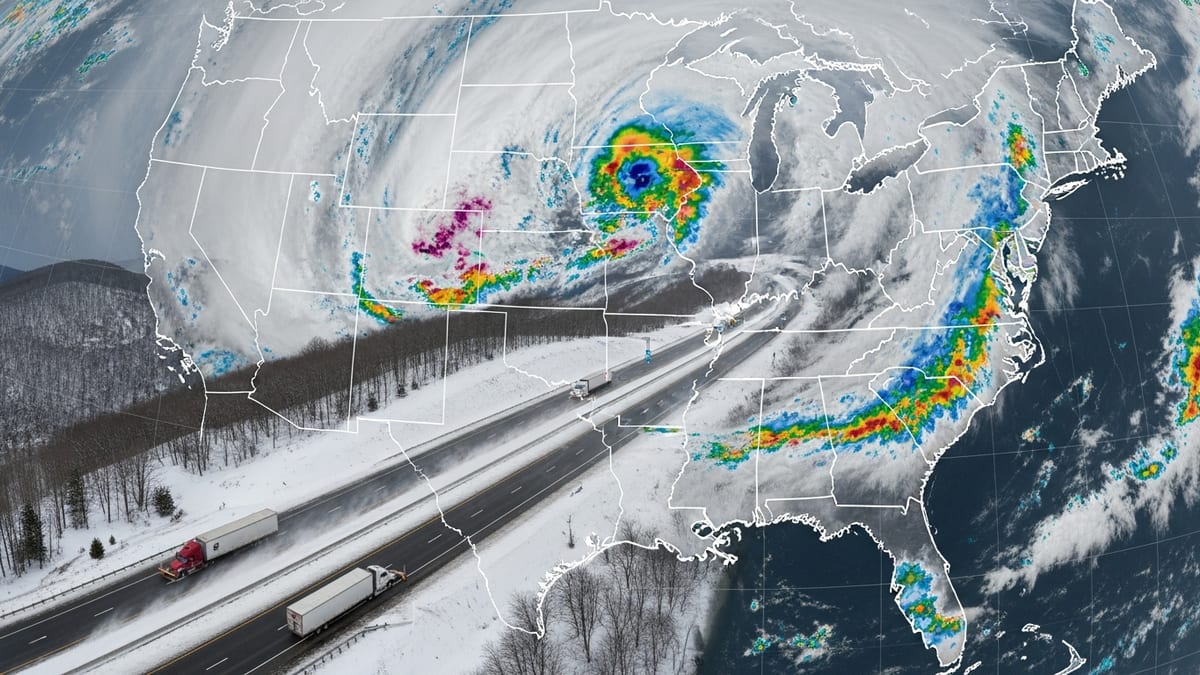
Publicly available outage trackers show that at the height of the severe weather, nearly 390,000 customers across the Midwest were without power as bands of thunderstorms and suspected tornadoes moved from Iowa through Illinois and into Michigan. Illinois was among the hardest hit, with reports indicating that more than 260,000 customers lost electricity, a large share of them in and around Cook County, which includes Chicago.
Communities surrounding Chicago saw extensive damage to distribution lines and power poles as powerful wind gusts toppled trees and scattered debris into streets and yards. In some suburbs, local coverage described blocks of darkened neighborhoods, with traffic signals out and residents relying on flashlights and backup generators while repair crews worked through the night.
Michigan utilities also reported tens of thousands of outages as the same storm system pushed east. Rural areas and smaller cities experienced a patchwork of downed lines and damaged equipment, adding complexity to restoration efforts and stretching crews across wide service territories.
Information posted by major utilities indicates that power restoration is expected to take several days in the hardest hit pockets, with some companies outlining goals to restore a large majority of customers by the weekend while warning that isolated outages could persist longer where infrastructure suffered heavy damage.
Ground stops and cascading flight delays in Chicago
Chicago’s O’Hare International Airport, one of the nation’s busiest air hubs, issued ground stops as thunderstorms passed directly over the area, effectively halting departures and slowing arrivals while lightning and low visibility made ramp operations unsafe. Chicago Midway International Airport also briefly stopped flights as strong cells moved across the city.
According to flight-tracking data cited in multiple media reports, the storms led to more than 1,000 delays and cancellations combined at the two airports, with ripple effects across the national network as aircraft and crews fell out of position. Travelers reported long lines at rebooking counters and crowded gate areas as airlines attempted to accommodate stranded passengers on later flights.
Several carriers activated flexible travel policies for customers scheduled to connect through Chicago during the worst of the storms. Publicly posted notices outlined opportunities to change itineraries within a limited window without additional fees, in an effort to ease congestion and give travelers more options as thunderstorms continued to threaten the region.
Even after the most intense cells moved east, residual delays persisted into the following day while airlines worked through backlogs and repositioned aircraft. Aviation observers noted that repeated rounds of convection in early summer can quickly overwhelm tightly timed schedules at large hub airports like O’Hare.
Tornado damage in communities outside Chicago
Local and national coverage report that at least three tornadoes touched down in communities outside Chicago, damaging homes, businesses and public facilities. Aerial and ground images from areas southwest of the city show roofs torn from buildings, walls collapsed and vehicles tossed or crushed by falling trees and utility poles.
In some neighborhoods, entire rows of houses sustained visible structural damage, with siding ripped away and windows blown out. Emergency responders and public works crews were seen clearing splintered lumber, twisted metal and power lines from streets in order to reopen access and begin longer term cleanup.
Elsewhere in Illinois, reports describe damage at smaller airports and industrial sites where hangars, warehouses and outbuildings suffered partial roof failures or wall collapses. The pattern of destruction suggested a combination of straight-line winds and embedded tornadoes within fast-moving storm lines.
Preliminary surveys by weather specialists are expected to refine the number and strength of tornadoes involved, but early assessments already place this event among the more disruptive early summer outbreaks for the Chicago metropolitan area and nearby communities.
Heat and new storms complicate recovery
The severe weather in the Midwest has coincided with an early season heat wave in parts of the eastern United States, a combination that forecasters say can increase risks for residents without power. With many homes relying on electric air conditioning, prolonged outages can quickly lead to uncomfortable or dangerous indoor temperatures, particularly for older adults and people with underlying health conditions.
Regional forecasts indicate the potential for additional rounds of thunderstorms in the days following the initial outbreak, raising concerns that new wind or lightning damage could slow repairs or trigger fresh outages. Utilities have urged customers through public updates to prepare for intermittent service and to avoid downed power lines, which may remain energized even when neighborhoods appear dark.
Cooling centers, libraries and other public buildings with backup power have been identified in some cities to provide relief for residents still waiting for electricity to return. Local news coverage highlights community organizations checking on vulnerable neighbors and distributing battery-powered fans, ice and bottled water in the hardest hit areas.
Transportation agencies are also monitoring conditions along major highways and rail corridors, where fallen trees and localized flooding after intense downpours have periodically impeded travel. While most routes have reopened quickly, lingering debris and saturated ground underscore the potential for renewed disruptions if storms redevelop.
Travelers and residents face lingering disruptions
For many residents across the Midwest, daily routines remain unsettled as the region works through the aftermath of the storms. Households without power are contending with food spoilage, limited access to refrigeration and uncertainty about when service will return, while some businesses have temporarily closed or scaled back operations because of outages or structural damage.
Travelers planning to pass through Chicago in the coming days are being advised in publicly available guidance to monitor their flight status closely and build in extra time at the airport. Even as weather improves, schedules may remain fragile while airlines reposition aircraft and crews and work through residual demand from earlier cancellations.
Rail and intercity bus passengers have also experienced knock-on effects, with some departures shifted or delayed as operators adjust to changing conditions in the Chicago corridor and surrounding states. Comments from transportation agencies and service providers suggest that most disruptions are short term, but further storms could complicate recovery.
With cleanup continuing from Iowa to Michigan and scattered power outages still affecting hundreds of thousands at various points this week, the severe weather pattern has highlighted once again how quickly summer storms in the Midwest can cascade into broader power and transportation challenges for one of the country’s most important travel crossroads.