


Across the northern reaches of Norway, Sweden, Finland and Russia lies Sápmi, the homeland of the Indigenous Sámi people. For travelers, some of the clearest windows into Sámi history, traditions and contemporary life are the region’s dedicated Sámi museums. Visiting them is far more than a rainy-day activity. Done well, it is an introduction to a living culture, a chance to understand historic injustices and a way to support Sámi-led institutions. This guide explains how to plan a visit to leading Sámi museums, what to look for inside, and how to connect your museum time with real-world experiences on the land.
Get the latest updates straight to your inbox!
Understanding Sápmi and Why Sámi Museums Matter
Sápmi stretches across northern Norway, Sweden, Finland and into Russia’s Kola Peninsula, overlapping national borders but unified by Sámi languages, cultural traditions and long relationships with Arctic landscapes. A first step before visiting any Sámi museum is to understand that you are entering not just a remote region of Europe but an Indigenous homeland. Towns like Jokkmokk in Sweden and Inari in Finland may appear similar to other Nordic settlements at first glance, yet they are hubs of Sámi cultural and political life, home to museums, language institutions and crafts cooperatives.
Sámi museums exist to preserve and present this heritage from the perspective of Sámi communities themselves. Institutions such as Ájtte, the Swedish Mountain and Sami Museum in Jokkmokk, and the Sámi Museum and Nature Centre Siida in Inari were created as central repositories of knowledge about Sámi livelihoods, language, art and history. Exhibitions typically cover everything from prehistoric settlement to modern struggles for land rights and language recognition, giving travelers a much broader story than the reindeer-and-colorful-costume stereotype often seen in tourism brochures.
These museums also play a critical contemporary role. They commission new works by Sámi artists and duodji (traditional crafts) makers, host seminars on climate change and land use, and provide resources for Sámi schools. When you pay an entry fee or buy a book in the museum shop, you are directly supporting this work. For visitors interested in ethical, community-centered travel, prioritizing Sámi-led museums and cultural centers is one of the most concrete ways to contribute positively while learning.
Finally, Sámi museums help contextualize experiences you might have elsewhere in Sápmi, especially nature-based activities. Seeing an exhibition on traditional fishing rights in Lake Inari at Siida, for example, changes the way you understand a boat tour on the same waters later in the day. A display about winter migration routes at Ájtte makes a snowmobile excursion through the forested uplands feel less like anonymous wilderness and more like a cultural landscape with generations of stories attached to it.
Key Sámi Museums to Anchor Your Trip
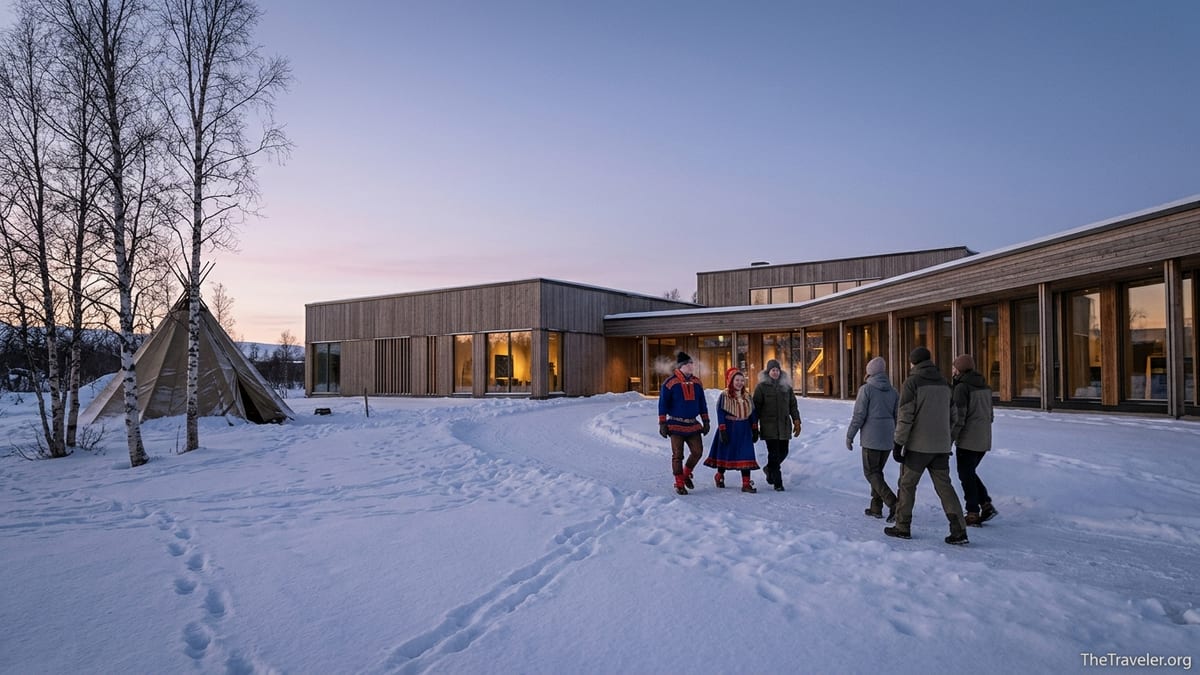
Most travelers will encounter Sámi museums in a handful of accessible centers. In Finland, the Sámi Museum and Nature Centre Siida in Inari is the national museum for the Finnish Sámi and a major visitor hub for northern Lapland. Housed in a modern lakeside building that underwent a significant renewal around 2022, Siida combines cultural history with a full nature center that explains Arctic seasons, wildlife and the impact of climate change on traditional livelihoods. Exhibitions are typically multilingual, often including English, which helps international visitors engage with more complex themes.
In Sweden, Ájtte in Jokkmokk is considered the country’s main Sámi museum and a special museum for the mountain region. Established in 1989, it occupies a purpose-built complex right in the town center and presents Sámi culture alongside the natural history of the surrounding highlands and forests. While a good portion of the detailed text is in Swedish and Sámi, the visual storytelling is strong. Travelers report spending anywhere from 1.5 to 3 hours moving through dioramas of mountain camps, displays of intricately decorated gákti (traditional clothing) and sections on the history of state policies that affected Sámi life.
Norway has several important Sámi institutions, including museums in Karasjok and Kautokeino that focus on art, political organization and local history. If your Arctic itinerary is anchored around Tromsø or Alta, university and regional museums there often include substantial permanent exhibitions on Sámi culture alongside broader northern topics. These can be especially valuable for travelers with limited time, offering an introduction to Sámi history without requiring an additional long journey into the interior.
Choosing which museum to visit often comes down to your broader travel route. A classic overland itinerary might see you riding the Inlandsbanan railway up through northern Sweden and breaking the journey in Jokkmokk specifically to visit Ájtte and the surrounding Sámi institutions. Another common route involves flying to Ivalo in Finnish Lapland and traveling 40 minutes by bus or hire car to Inari, where Siida sits within walking distance of lakeside hotels and guesthouses. In both cases, museum visits can easily be combined with short hikes, boat excursions or evening aurora tours, turning a cultural stop into a full multi-day stay.
Practical Planning: When to Go, Tickets and Logistics
The main Sámi museums in northern Scandinavia are open year-round, but your experience will vary significantly by season. Summer, roughly June to August, offers long days, milder temperatures and access to outdoor components such as Siida’s open-air museum, where historic buildings and reconstructed Sámi dwellings are arranged along a forest trail. In winter, typically December to March, snow and polar night conditions change the atmosphere completely. A visit to Ájtte on a January afternoon, for instance, might be followed by twilight snowshoeing or a northern lights chase, while the museum’s exhibits on winter survival and migration feel especially immediate.
Opening hours in high season are usually generous. Recent information for Siida shows daily opening from morning until evening, with the same schedule on weekends and holidays. Ájtte’s hours vary more by season, generally opening during typical Scandinavian museum hours in the middle of the day. Because times can change from one year to the next, especially during shoulder seasons in May and September, it is worth checking current hours shortly before you travel, either through local tourist information or by contacting the museum directly by email or phone.
Admission prices are relatively modest compared with major city museums. At Siida, recent public information lists adult tickets around 10 euros, with discounted rates for children, groups and families. Ájtte’s entrance fees are in a similar range when converted from Swedish kronor, and combination tickets that include temporary exhibitions or special events are occasionally available. Many travelers choose to add a coffee or light lunch at the on-site cafés, such as the Sarrit restaurant at Siida or the bistro that operates inside Ájtte, turning the museum stop into a half-day outing.
Getting to these museums generally requires some forward planning. Inari is served by buses from Ivalo airport and from Rovaniemi further south, but services are less frequent outside peak holiday periods. Renting a car for a few days gives you the freedom to combine Siida with lakeside detours and village visits along the main road. Jokkmokk, meanwhile, sits along the E45 road and is reached by regional buses from cities such as Luleå or Gällivare. In summer, the nostalgic Inlandsbanan tourist train stops here, and many travelers build their stay in Jokkmokk around that timetable, arriving one afternoon, visiting Ájtte the next morning and continuing north or south the following day.
Inside the Exhibitions: What You Will Actually See
Exhibitions in Sámi museums mix historical artifacts, contemporary art and multimedia storytelling. At Ájtte, one gallery might showcase silver jewelry and finely embroidered belts arranged in glass cases, while the next recreates the interior of a lávvu, the cone-shaped tent used in many reindeer herding regions. The color palette of the gákti on display is striking: deep blues, bright reds and yellows, with specific patterns signaling the wearer’s home region and family connections. Interpretive panels often explain not only materials and techniques but also how clothing encoded social information in small details of trim and cut.
Siida integrates cultural and environmental narratives. You might begin in a hall where seasonal cycles are explained through changes in light, snow, animal migrations and human activities, then move into sections on language, belief systems and daily life. Audio elements can include yoik, a traditional style of song used historically to evoke people, animals or places, and video interviews with Sámi elders and activists. For many visitors, seeing traditional fishing gear or sleds in the museum on the same day they watch modern snowmobiles and boats moving across Lake Inari underscores both continuity and change.
Critical history is increasingly prominent. Exhibitions at leading museums now discuss residential schools, assimilation policies, loss of grazing land and conflicts over mining, dams and wind power projects. These are not always easy stories to confront on vacation, but they are essential for understanding contemporary Sámi politics and the strong emphasis on land and water rights. Travelers often remark that spending an extra hour in these sections, reading testimonies or timelines, deepens later conversations with local guides or hosts.
Most museums also highlight duodji, the Sámi tradition of functional crafts such as knives, woodworking, leatherwork and textile art. Dedicated displays might feature birch root baskets, antler-handled knives or finely carved kuksa drinking cups. In some cases, you can compare older examples with newly commissioned pieces, noticing how designs evolve while core principles of practicality and connection to local materials remain central. These exhibitions are an excellent way to develop an eye for quality before you consider purchasing any items from workshops or store shelves.
Connecting Museum Visits to Real-World Sámi Experiences
One of the most rewarding ways to experience Sámi heritage is to link time inside museums with guided activities and everyday encounters in Sámi communities. After visiting Ájtte, for example, you might book a small-group visit to a reindeer herding family’s camp outside Jokkmokk, where a Sámi host explains seasonal work, shares stories around a fire and serves simple food such as reindeer stew or smoked fish. Having just seen historic sleds, harnesses and tools in the museum, the contemporary corral and snowmobiles you encounter on this visit feel like part of a long continuum rather than isolated tourist props.
In Inari, Siida’s exhibitions provide rich context for boat tours on Lake Inari, nature walks on local trails and visits to nearby handicraft shops and studios. A guide on a summer boat trip might point out islands that have long been used as gathering or burial sites, echoing stories you read earlier in the day about how water routes structured movement and social life. In winter, aurora excursions hosted by Sámi guides often weave in references to constellations and sky lore, connecting dramatic night skies with oral traditions you may have encountered in the museum’s sections on belief systems.
Independent exploration also benefits from museum knowledge. After learning about plant use in traditional medicine and everyday life at Ájtte’s exhibits or garden area, you may recognize familiar species on an afternoon walk along the riverbank behind the museum or in nearby nature reserves. Understanding that certain areas are historically important grazing lands can shape how you move through them, encouraging quieter behavior around herds and respect for fences and signs that mark private or sensitive areas.
Food is another way to carry museum learning into daily travel. Museums sometimes host tasting events or small pop-ups during festivals, where dishes like cured fish, smoked meats, cloudberries or flatbread appear alongside explanations of their cultural significance. Later, when you see similar items on menus in Jokkmokk, Inari or Karasjok, you can choose meals that support Sámi-owned restaurants or cafés and recognize ingredients that have grounded northern diets for generations.
Visiting With Respect: Etiquette, Photography and Buying Crafts
Thoughtful behavior in Sámi museums and communities begins with listening. Many exhibitions, especially those dealing with painful histories, are designed to be reflective spaces. Speaking softly, taking time with texts and giving others room to read or watch videos without interruption are simple courtesies. If you visit as part of a group, it can be helpful for the leader or guide to set expectations in advance so that everyone treats sensitive content with care.
Photography policies vary. In some galleries, particularly those showing sacred objects or sensitive archival photos, visitors may be asked not to photograph at all. Elsewhere, non-flash photography for personal use is often allowed. Look for clear signs at the entrance to each exhibition hall or ask staff at the front desk. When you join guided experiences outside the museum, always ask permission before photographing people, reindeer or private dwellings. Many Sámi hosts are comfortable being photographed in a tourism context, but explicit consent is still important.
Buying crafts and souvenirs is another area where respect matters. Museum shops at institutions such as Ájtte and Siida typically stock items that are either made by Sámi duodji practitioners or carefully selected from reliable cooperatives. Prices may be higher than generic souvenirs in city airports or gift shops further south, but the difference reflects fair compensation for skilled handwork and supports living craft traditions. When comparing options, look for labels that clearly identify the maker and, where relevant, use recognized Sámi duodji marks that indicate authenticity.
If your budget does not stretch to a silver brooch or handwoven shawl, consider smaller items that still support Sámi creators and institutions. Books, postcards featuring contemporary Sámi art, recordings of yoik, or educational children’s materials can all serve as meaningful reminders of your visit. In some towns, you may also find separate Sámi-run shops or design studios not directly linked to museums. Staff in museum shops are usually happy to point you toward these businesses if you ask for recommendations.
The Takeaway
Visiting Sámi museums is one of the most direct, grounded ways to encounter Sámi history, traditions and living culture as a traveler in the European Arctic. Institutions such as the Sámi Museum and Nature Centre Siida in Inari and Ájtte in Jokkmokk are more than collections of old objects. They are meeting places, research centers and cultural anchors for communities that continue to adapt and assert their rights in a rapidly changing north.
Approaching these museums with time, curiosity and respect transforms them from checklist stops into turning points in your understanding of Sápmi. Giving yourself half a day instead of an hour, reading the more challenging sections on assimilation and land struggles, and following up with real-world encounters guided by Sámi hosts can shift how you see the surrounding landscapes and the people who call them home.
For many travelers, memories of northern trips tend to blur into images of snow, mountains and the northern lights. Thoughtful museum visits ensure that Sámi voices and stories stand out clearly in that picture. When you leave with a deeper sense of place, an authentic craft item or a book by a Sámi author in your bag, you carry more than a souvenir. You carry a fragment of ongoing cultural knowledge, grounded in the land, that you were invited to glimpse and are now better equipped to honor.
FAQ
Q1. Where are the main Sámi museums located?
Key Sámi museums for travelers include the Sámi Museum and Nature Centre Siida in Inari in northern Finnish Lapland, Ájtte in Jokkmokk in Swedish Lapland, and several regional and local Sámi museums in northern Norway, particularly around Karasjok, Kautokeino and university museums in Tromsø.
Q2. How much time should I plan for a visit to a Sámi museum?
Plan at least two to three hours for major museums such as Siida and Ájtte, especially if you want to read interpretive texts, watch short films and visit any outdoor sections. If you are deeply interested in history or crafts, setting aside half a day gives you time for a café break and a slower pace.
Q3. Are exhibitions available in English?
Most large Sámi museums provide key information in several languages, typically including at least one Sámi language, the national language and English. Some smaller museums and local centers may have more limited translation, but staff are usually happy to clarify exhibits or answer questions.
Q4. Can I visit Sámi museums in winter?
Yes. Sámi museums in northern Scandinavia generally operate year-round, with adjusted opening hours in different seasons. Winter visits can be particularly atmospheric and combine well with activities such as aurora watching, snowshoeing or reindeer experiences arranged with local Sámi guides.
Q5. How much does it cost to visit a Sámi museum?
Admission fees are typically moderate compared with big-city attractions. Recent examples put adult ticket prices for major institutions in the approximate range of 10 euros or the equivalent in local currency, with reduced rates for children, families and groups.
Q6. Is it appropriate to buy Sámi handicrafts as souvenirs?
Yes, buying authentic Sámi duodji is a positive way to support artisans and living craft traditions. Museum shops and Sámi-run galleries are good places to look for items clearly labeled with the maker’s name and, where applicable, recognized authenticity marks, even if prices are higher than mass-produced souvenirs.
Q7. Do I need to book tickets in advance?
For most Sámi museums, you can simply arrive during opening hours and buy tickets on site. During peak holiday periods or for special events and guided tours, advance booking may be required or recommended. Checking the latest information through local tourist offices shortly before your visit is sensible.
Q8. Can children enjoy Sámi museums?
Yes. Many Sámi museums include interactive elements, reconstructed dwellings and child-friendly displays, making them engaging for families. Outdoor areas, such as open-air sections or museum gardens, are especially popular with children who enjoy exploring spaces connected to the stories they see indoors.
Q9. How can I behave respectfully in Sámi museums and communities?
Behave as you would in any culturally significant place: speak quietly, follow photography guidelines, avoid touching objects and give space in emotional or reflective exhibits. When visiting Sámi-led tours or community spaces, ask before taking photographs and be open to listening rather than steering conversations.
Q10. Can visiting a Sámi museum be part of a broader Arctic itinerary?
Absolutely. Many travelers combine Sámi museum visits with hiking, skiing, lake excursions or aurora trips across northern Norway, Sweden and Finland. Using museums as anchor points in towns like Jokkmokk or Inari helps ensure that outdoor adventures are grounded in an understanding of the region’s Indigenous cultures and histories.