


More news on this day
Severe storms sweeping across the Midwest have been linked to a death in Iowa, widespread power outages and significant flight disruptions, even as a dangerous early season heat wave tightens its grip on the Eastern United States.
Get the latest news straight to your inbox!
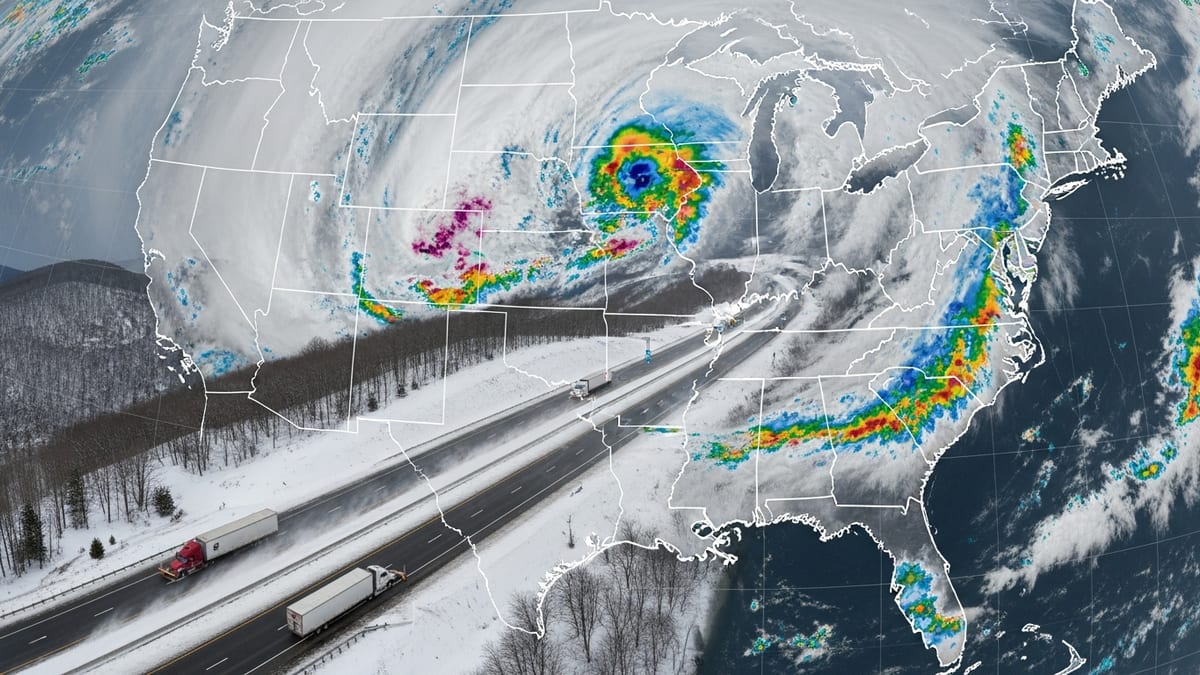
Storm system lashes Iowa and the broader Midwest
A sprawling storm system that intensified midweek over the central United States has carved a path of damage from Kansas and Missouri through Iowa, Illinois and into parts of Michigan, according to published coverage from national outlets and regional broadcasters. Reports indicate that the National Weather Service logged numerous tornado and severe thunderstorm reports across this corridor, with intense winds toppling trees, damaging structures and sending debris into roadways and rail lines.
In Iowa, the turbulent weather turned deadly. Publicly available information from local news organizations in Des Moines states that a 54-year-old man died at a homeless encampment in a city park after a tree fractured during the storms and fell onto the area where he was sheltering. The incident has drawn attention to the heightened risks severe weather poses to people living outdoors or in temporary structures, who often have limited options when warnings are issued.
Across the region, images from Illinois, Indiana and Michigan show neighborhoods littered with broken branches, downed lines and damaged roofs following multiple rounds of thunderstorms. Emergency managers and utility companies cited in regional briefings describe the event as one of the more disruptive early summer outbreaks in recent years, with some communities experiencing repeated cells of heavy rain, lightning and straight line winds.
Meteorologists tracking the system note that the storms formed along a sharp frontal boundary separating cooler air to the north from hot, humid conditions surging up from the Gulf of Mexico. As upper level energy swept across the Plains and Great Lakes, it provided the lift needed to ignite supercells and fast moving squall lines, setting the stage for destructive winds and possible tornado development over a broad area.
Power outages dim cities and small towns
The same storms that claimed a life in Iowa have also knocked out electricity across large sections of the Midwest, leaving hundreds of thousands of homes and businesses without power at various points, according to data compiled by outage tracking services and summarized in Associated Press and regional newspaper reports. Illinois and Michigan appear to have been among the hardest hit, with dense urban areas and suburban communities reporting particularly high concentrations of outages.
In the Chicago metropolitan area, utility maps and local television coverage show swaths of the city and surrounding suburbs losing power as strong winds snapped poles and pushed trees into overhead lines. Residents have described long lines at gas stations for generator fuel and a rush on ice, batteries and other basic supplies as households attempt to preserve food and keep devices charged while waiting for crews to complete repairs.
Farther east around Detroit and across parts of western and central Michigan, rural customers have faced similar problems as tree damage blocked roads and slowed restoration efforts. Publicly available statements from utilities highlight the complexity of recovery operations in heavily wooded neighborhoods, where technicians must first clear fallen limbs before restringing lines or replacing damaged transformers.
Energy analysts note that severe convective outbreaks of this scale can stress overhead power infrastructure in ways that are difficult to prevent, especially where older distribution networks intersect with mature trees. For travelers, prolonged outages can affect everything from hotel availability to fuel supplies along interstate corridors, adding another layer of uncertainty for those driving through the region in the coming days.
Flight delays ripple from Chicago across the network
Chicago’s two major airports have emerged as focal points of the travel disruption, with the storms triggering ground stops, ramp closures and extensive delays. Flight tracking services cited in national coverage show that more than a thousand flights were delayed or canceled at Chicago O’Hare and Chicago Midway at the height of the weather, creating knock on effects throughout domestic and international networks.
Passengers have described crowded terminals, long rebooking lines and aircraft stuck at gates as lightning and high winds temporarily halted ground operations. With Chicago serving as a primary hub for several major U.S. carriers, disrupted departures and arrivals there quickly cascaded to cities across the Midwest and both coasts, affecting travelers far from the actual storms.
On Friday, social media posts and airline status pages suggest that some schedules remain fragile, with scattered delays continuing as carriers work to reposition crews and aircraft. Travelers connecting through Chicago in particular are being advised by airlines and travel agents to monitor flight status frequently, allow extra time for connections and consider carrying essential items in hand luggage in case of unexpected overnight stays.
Rail and highway travel have not been immune. Reports from transportation agencies and local newsrooms describe temporary speed restrictions on some rail lines due to debris and saturated track beds, while interstate traffic has slowed in areas where heavy rain, ponding and poor visibility linger behind the departing storms.
Heat wave tightens grip on Eastern cities
While the Midwest contends with cleanup and restoration, residents from the mid Atlantic through the Northeast are facing a different hazard. According to updated forecasts from the National Weather Service and coverage by major outlets including Associated Press and regional newspapers, a dome of hot, humid air has settled over much of the Eastern Seaboard, sending heat index values to levels considered dangerous for prolonged outdoor activity.
Philadelphia has declared what local authorities describe in public announcements as a heat health emergency through at least Friday, opening cooling centers, expanding outreach to people experiencing homelessness and conducting wellness checks for vulnerable residents. Other cities, including New York, Baltimore and Washington, are promoting similar measures through city websites and public messaging campaigns, urging residents to hydrate, limit strenuous activity during peak daytime hours and check on neighbors.
Forecasters indicate that daily record highs may fall at several East Coast observing sites, particularly where overnight temperatures remain elevated and offer little relief. Publicly available climate summaries note that early season heat events can be especially risky because many households have not yet fully adjusted to summer conditions, and some people may delay using air conditioning due to cost concerns.
For travelers, the heat is affecting everything from city sightseeing plans to rail and air operations. High temperatures can contribute to air quality alerts that discourage outdoor activities, while intense sun and humidity make walking tours, outdoor festivals and sporting events more taxing. On the aviation side, extremely hot air can influence aircraft performance at certain airports, though major disruptions are more often linked to storms than to heat alone.
What travelers should expect in the coming days
Forecast discussions suggest that the core of the Midwest storm system will gradually shift eastward, while the heat dome over the East may persist for several days before slowly breaking down. This evolving pattern means that travelers across a broad swath of the country may continue to face intermittent weather related challenges even as the worst of the current outbreak passes.
People with upcoming flights that connect through Chicago, Detroit, Philadelphia or other major Midwest and East Coast hubs are being encouraged, through airline advisories and travel industry guidance, to verify bookings regularly and sign up for carrier alerts. Flexible tickets, travel insurance and a willingness to accept reroutes through less congested airports can help reduce the stress of last minute changes.
Road trippers heading through the central states are advised by state transportation departments and widely shared travel bulletins to watch for lingering closures where fallen trees or power crews block shoulders and side roads. Reserving accommodation in advance can be prudent in communities where hotels are serving both residents without power and stranded airline passengers.
In Eastern cities under heat advisories, visitors are adjusting itineraries by scheduling outdoor activities for early morning or evening and using midday hours for museums, indoor attractions or rest. Public transit systems in places such as New York, Boston and Washington are advising riders through official channels to carry water and account for potentially crowded, warmer than usual platforms and vehicles as the heat wave persists.