


More news on this day
Travelers moving through Minneapolis–St. Paul International Airport faced a difficult start to the holiday weekend as regional operators Republic, SkyWest and Jazz, along with United Airlines, suspended six flights and delayed 31 others, disrupting major routes across the United States.
Get the latest news straight to your inbox!
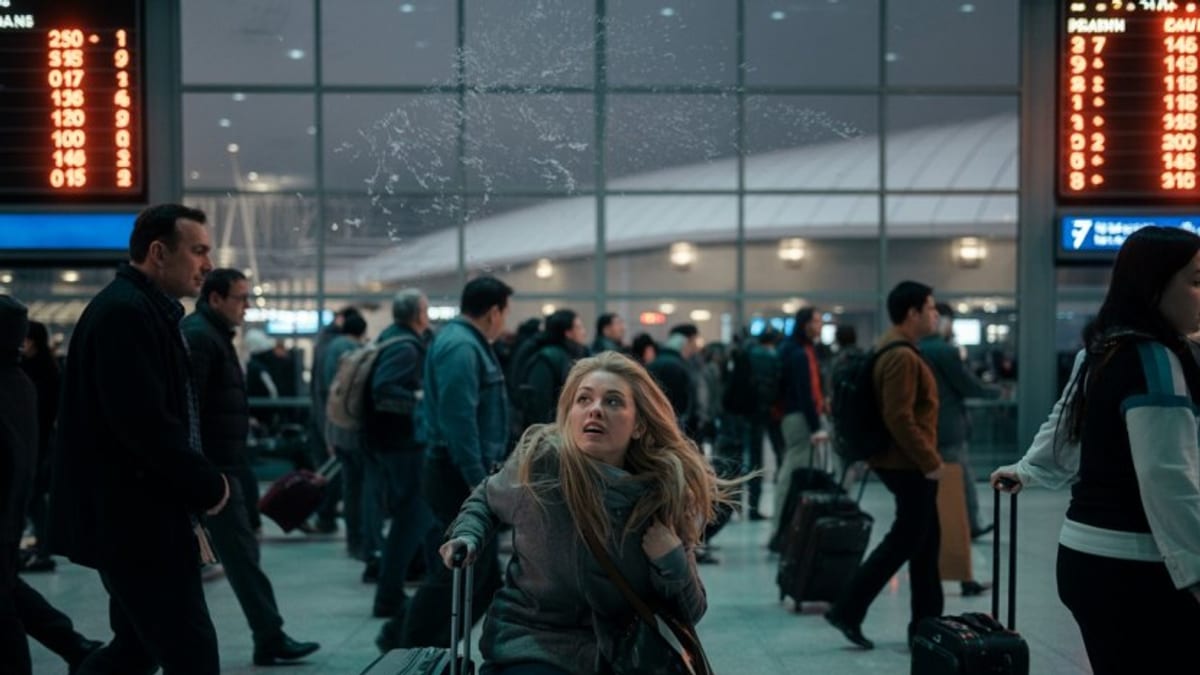
Regional Partners and United at the Center of Disruptions
Publicly available flight information shows that a cluster of cancellations and delays at Minneapolis–St. Paul International Airport involved regional carriers Republic, SkyWest and Jazz, which operate many services on behalf of larger US and Canadian airlines. United Airlines was also affected, with several United-branded departures either delayed or withdrawn from the schedule.
The six suspended flights were concentrated on key domestic and near-border routes, highlighting how issues affecting regional operators can quickly ripple across wider airline networks. These carriers typically connect passengers from smaller cities into major hubs, which means a single cancellation often disrupts multiple itineraries and onward connections.
Operational data indicates that while the number of outright cancellations remained limited, the volume of delays placed additional strain on airline schedules. With aircraft and crews out of position, even modest disruptions at Minneapolis–St. Paul created knock-on effects at other airports served from the Twin Cities.
The episode underscores the dependence of major US airlines on regional partners for feeder traffic. Republic, SkyWest and Jazz link Minneapolis–St. Paul with dozens of secondary markets, so any performance issues among these operators can have an outsized impact on travelers who rely on single-connection journeys.
Major Routes to Chicago, Orlando, Richmond, Grand Forks and Miami Affected
According to flight-tracking summaries and published coverage, the latest operational problems touched a broad mix of business and leisure routes. Flights between Minneapolis–St. Paul and Chicago were among those hit, affecting one of the country’s most heavily traveled city pairs and a vital connection point for domestic and international itineraries.
Disruptions also extended south to Florida, with services toward Orlando and Miami experiencing cancellations or extended delays. These routes are particularly popular with families and vacationers, and the timing of the interruptions during a peak summer and holiday travel period compounded the frustration for those planning leisure trips.
On shorter-haul regional services, flights to Grand Forks and Richmond were among those suspended or significantly delayed. These markets rely heavily on consistent air links to larger hubs like Minneapolis–St. Paul, and interruptions can limit options for travelers who have fewer alternative departures each day.
Reports indicate that additional cities across the Midwest, East Coast and Sun Belt were indirectly affected when delayed aircraft from Minneapolis–St. Paul missed scheduled turns elsewhere. That pattern created a patchwork of minor schedule changes that, taken together, contributed to a day of wider-than-expected disruption.
Weather, Congestion and Network Complexity Add to Passenger Strain
Data from national airspace and airport status dashboards for early July shows that Minneapolis–St. Paul has been operating in a challenging environment, with pockets of weather and traffic congestion affecting several major hubs. Even when conditions at Minneapolis–St. Paul appear manageable, storms and volume constraints in other parts of the network can trigger ground delays, reroutes and crew reassignments that ultimately show up in the Twin Cities.
Travel industry analyses note that regional carriers working under capacity agreements often run tight, high-utilization schedules. When a single aircraft goes out of service or a crew reaches duty-time limits, there may be limited backup available to protect subsequent flights. That reality makes it more likely that operators will preemptively cancel select departures rather than risk rolling, last-minute disruptions that strand aircraft and crews away from base.
For passengers, this complexity translates into longer lines at customer service counters, crowded gate areas and a scramble for scarce open seats on later flights. Those holding separate tickets for onward connections or nonrefundable hotel and event reservations can be particularly exposed when schedules go awry.
Observers of recent airline performance trends point out that even when only a handful of flights are canceled at a major airport, the overall experience can feel chaotic. Delayed departures occupy gates for longer, push back boarding times and compress turnaround windows, which adds visible congestion even as most flights still depart.
How Travelers Can Navigate Ongoing Irregular Operations
Given the ongoing potential for weather- and volume-related disruptions at key hubs like Minneapolis–St. Paul, travel experts recommend that passengers take a more proactive approach to planning. Monitoring flight status frequently on the day of travel and enabling airline app notifications can help travelers spot schedule changes early and request rebooking options before flights fill.
Public guidance from consumer advocates suggests that travelers booked on tight connections through Minneapolis–St. Paul may want to consider earlier departures or longer layovers when possible, particularly during busy periods. Allowing extra time in the itinerary can reduce the risk of missed onward flights if initial legs encounter delays.
Those whose flights are canceled or significantly delayed are typically eligible for rebooking on the next available departure, and in some cases may request rerouting through alternate hubs. While policies vary by carrier and disruption cause, travelers who keep receipts and documentation of interruptions may have more options to seek assistance or partial reimbursement for certain out-of-pocket costs.
With regional operators like Republic, SkyWest and Jazz playing such a central role in connecting smaller communities to Minneapolis–St. Paul and other major hubs, travel-watchers expect that similar pockets of disruption will continue to appear as the busy summer season progresses. For passengers, building in flexibility and staying informed remain the best defenses against a suddenly upended travel day.