


More news on this day
Mobile’s effort to relocate commercial air service from its suburban airport to a new terminal near downtown has hit another delay, with the opening now projected for early 2027 instead of the previously targeted 2025–2026 window.
Get the latest news straight to your inbox!
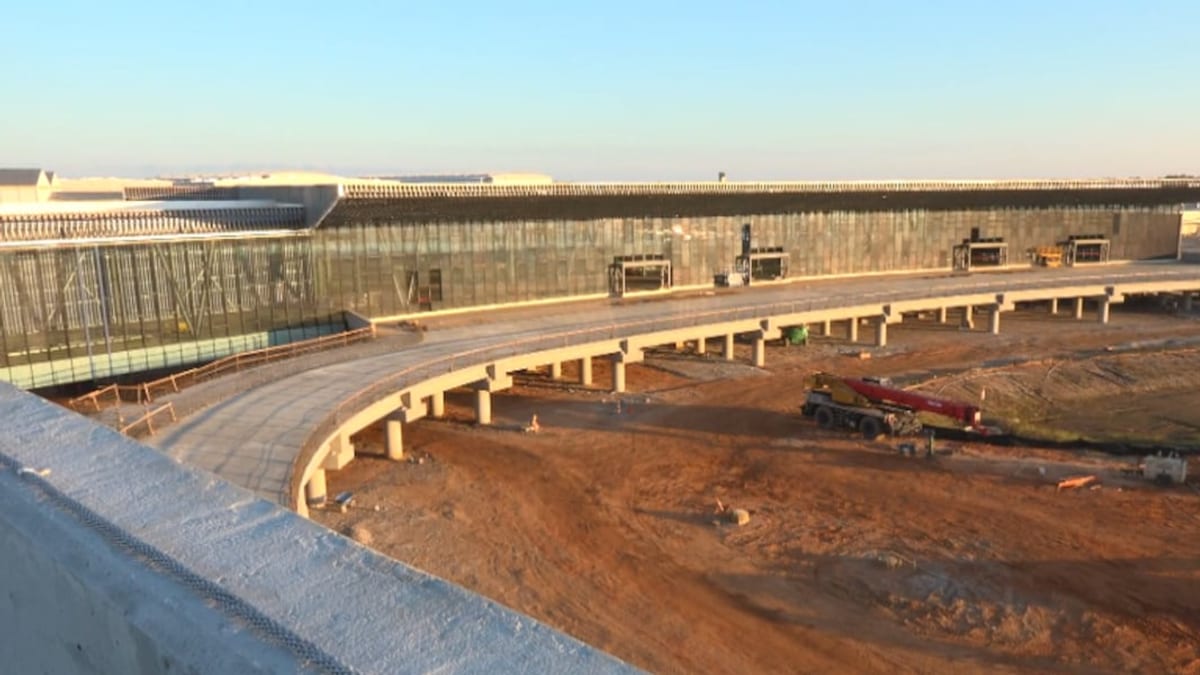
Image by fox10tv.com
Revised Timeline Extends Years Beyond Original Goal
Publicly available information shows that planning for a downtown-focused commercial airport in Mobile has been underway for more than a decade, with early feasibility studies envisioning a relatively swift transition from Mobile Regional Airport to the Brookley site near the city center. Initial projections frequently pointed to late 2025 or early 2026 for full passenger operations at the new Mobile International Airport terminal.
Recent updates now indicate that the opening of the new terminal has slipped into early 2027, reflecting a more conservative construction and commissioning schedule. The revised target effectively adds at least a year to earlier estimates and underscores the complexity of consolidating all major airline traffic into a new facility while maintaining service to the region.
The delay means that Mobile Regional Airport will remain the primary hub for most commercial passengers longer than anticipated, while the existing limited-use downtown facilities continue to operate in a transitional role. For travelers, the drawn-out timeline extends the period in which air service is split between a West Mobile location and the Brookley Aeroplex on the waterfront.
Reports indicate that local aviation planners are framing the 2027 date as a realistic benchmark that accounts for both construction risk and regulatory processes, rather than the more aggressive targets that circulated in earlier phases of the project.
Budget Pressures and Construction Complexity Shape the Schedule
The new terminal at Mobile International Airport is one of the largest infrastructure investments currently underway in coastal Alabama, with cost estimates that have climbed over time as designs evolved and inflation pushed up materials and labor. Prior public updates have cited a project budget in the hundreds of millions of dollars, covering the terminal building, associated airfield work, landside access, and parking infrastructure.
According to published coverage and project summaries, maintaining the overall budget has become a central factor in the updated schedule. Value engineering efforts, including refinements to interior finishes and technology packages, have been used to keep the price tag in check while preserving core capacity such as gate count and baggage handling systems. Stretching the timeline into 2027 allows contractors and the Mobile Airport Authority to phase work more deliberately rather than accelerating at added cost.
Construction sequencing at the Brookley site is also complex because the area already hosts industrial tenants and aviation activities. Coordinating terminal work with surrounding road, utility, and airfield projects has required careful staging to avoid disruptions to existing operations and nearby employers. The longer horizon to early 2027 provides additional buffer for these interlocking pieces to come together.
While the revised opening date reflects caution, public information suggests that visible progress continues at the site, from foundation and structural work on the terminal to supporting projects such as an elevated roadway and multi-level parking facility intended to handle future passenger volumes.
Impact on Travelers and Airlines Along the Gulf Coast
For passengers in Mobile and neighboring Baldwin County, the delay in downtown airport completion prolongs an era of fragmented air service. Many travelers still opt for competing airports, including Pensacola and Gulfport, in search of more nonstop routes and competitive fares. The promise of a modern, centrally located terminal has been framed as a way to recapture some of that traffic once all major carriers move under one roof near downtown.
The extended timeline to early 2027 means airlines face an additional planning cycle before any system-wide shift of flights from Mobile Regional to Mobile International can take place. Previous announcements and local reporting referenced early 2026 as a likely transition period, including scenarios in which travelers might depart from one airport and return to another as operations shifted mid-trip. With the new schedule, that disruptive phase appears likely to occur later, if at all, depending on carrier strategies.
The region’s competitive landscape is also changing during the delay. Nearby airports along the Gulf Coast are adding routes and in some cases new terminal capacity, giving airlines more choices about where to deploy aircraft. The timing of Mobile’s new facility in 2027 may become critical as carriers evaluate growth in leisure destinations on the Alabama and Florida coasts and weigh whether a downtown-proximate airport in Mobile offers a compelling alternative.
Publicly available commentary around the project suggests that the long-term goal remains a consolidated, more accessible airport that can support both business and tourism growth. However, every additional year of construction extends the period in which Mobile’s air service is perceived as limited compared with regional peers.
Downtown Redevelopment Tied to Brookley Aeroplex Plans
The relocation of commercial air service is intertwined with broader redevelopment ambitions for Mobile’s waterfront and downtown-adjacent districts. The Brookley Aeroplex, historically a military and industrial hub, has been gradually repositioned as a mixed aviation and economic development zone, home to aerospace firms and logistics operations.
City documents and planning reports link the new airport terminal to larger projects such as waterfront parks and improved road access between downtown and the bayfront. A full-service commercial airport within a short drive of office towers, historic neighborhoods, and tourism attractions is seen as a catalyst for additional investment, from hotels and conference facilities to supporting retail.
With the opening now pushed into early 2027, that broader redevelopment timeline may also stretch, delaying the moment when the airport, nearby park projects, and private investments are all operating in concert. Some elements, such as public realm improvements and site preparation for future commercial uses, may still proceed independently, but the absence of a fully functional downtown airport could temper the pace of change.
Despite the schedule shift, the long-range vision outlined in planning materials continues to emphasize Brookley’s role as Mobile’s primary gateway for both air travelers and new economic activity. The new timeframe simply means that the transformation will unfold over a longer horizon than once imagined.
What Early 2027 Could Look Like for Mobile’s Air Travel
If the revised projections hold, early 2027 could mark a turning point in how residents and visitors access Mobile. The new downtown terminal is expected to open with multiple gates and the ability to expand as demand grows, consolidating flights that are currently spread between older facilities and nearby airports in other cities.
By that stage, key landside components such as structured parking and upgraded roadway connections are projected to be in place, improving travel times from core neighborhoods, the central business district, and key suburban corridors. Cruise passengers and convention attendees, in particular, stand to benefit from a shorter trip between the airport and the waterfront or downtown hotels.
Analysts of regional air service note that the ultimate success of Mobile’s new airport will depend on route development as much as on bricks and mortar. Once operations move downtown, airlines will be watching passenger response, load factors, and local economic trends to determine whether to add frequencies or new destinations. The extended build period to 2027 allows local leaders additional time to court carriers and market the airport’s advantages to both business and leisure travelers.
For now, the delay underscores the reality that reshaping a city’s air gateway is a long-term undertaking. Travelers in and around Mobile will need to navigate a few more years of status quo service before the promised convenience of a full-scale downtown airport becomes part of their routine itineraries.