


More news on this day
Air Canada passengers across Canada and the United States are facing fresh travel disruption as a cluster of cancellations and rolling delays strands travelers in cities including Halifax, Toronto, Vancouver, Ottawa and Miami during one of the busiest late‑May travel periods.
Get the latest news straight to your inbox!
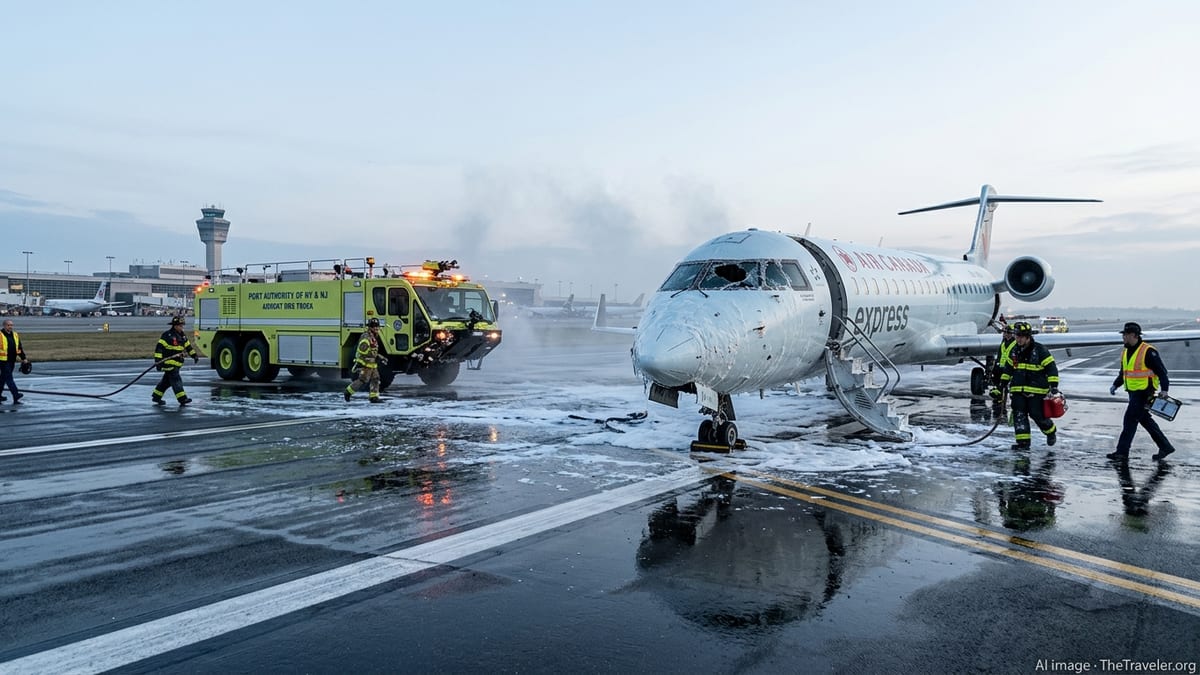
Cluster of Cancellations Hits Key Hubs
Published operational data and flight tracking platforms indicate that at least 16 Air Canada and Air Canada Express services were cancelled over a two day window heading into the May long weekend travel rush, with additional knock‑on delays affecting dozens more departures and arrivals. The disruption has been concentrated at Canada’s largest hubs, notably Toronto Pearson, Vancouver, Montreal, Calgary and Ottawa, with regional gateways such as Halifax Stanfield also reporting cancelled services linked to the carrier.
Monitoring tools that compile airline performance show a pattern of Air Canada cancellations on core domestic routes such as Toronto to Ottawa, Vancouver to Toronto and Halifax to Toronto, as well as selected cross‑border flights serving U.S. destinations. Some of the affected services were scheduled at peak morning and evening bank times, amplifying the impact on onward connections and leaving passengers facing long rebooking queues at airport customer service desks.
Flight disruption trackers that aggregate data for Canadian carriers point to an overall spike in cancellations and late operations since May 22, with Air Canada and its regional partners accounting for a significant share of the affected flights. While the majority of the airline’s network is still operating, the concentration of cancellations on trunk routes has had an outsized effect because these services feed domestic, transborder and long‑haul flights.
Reports from airport operations logs describe congested departure halls and long lines at rebooking counters at Toronto Pearson and Vancouver International, as passengers on cancelled or heavily delayed flights compete for limited spare seats on later departures. With aircraft operating close to capacity in the pre‑summer travel period, options for same‑day rebooking have been limited on some routes.
Halifax, Ottawa and Vancouver See Regional Ripple Effects
Regional centers have not been spared. Data from flight‑status services show cancellations on links between Halifax and Toronto and between Ottawa and Toronto within the same disruption window, affecting travelers connecting onward to Western Canada, Atlantic Canada and the United States. In Halifax, the loss of a small number of key frequencies has a disproportionate impact given the airport’s role as an Atlantic gateway for both domestic and transborder traffic.
Ottawa Macdonald‑Cartier International has recorded a mix of Air Canada cancellations and extended delays on short‑haul services to Toronto and Montreal. These routes are central to government, business and commuter traffic, and any reduction in frequency can quickly lead to bottlenecks, particularly ahead of a long weekend. Passengers who miss onward connections due to late‑running inbound flights have in some cases been rebooked onto next‑day departures, according to accounts shared on publicly accessible travel forums and social platforms.
On the West Coast, Vancouver International has seen Air Canada adjust both domestic and U.S. schedules in recent weeks, combining one‑off cancellations with broader seasonal cuts to select U.S. routes. Industry coverage has highlighted how rising jet fuel costs have already prompted the airline to scale back some summer services to mid‑sized American cities, and the latest round of day‑of‑travel cancellations is compounding uncertainty for travelers who rely on Vancouver as a main connection point.
For passengers in affected regional markets, even a single flight cancellation can mean limited alternatives. Observers note that when a key Halifax or Ottawa departure is removed from the schedule at short notice, the replacement options often involve lengthy detours via other hubs or overnight stays, particularly when weather or congestion rules out quick repositioning of aircraft.
Transborder Travelers from Miami and Other US Cities Impacted
The disruption has also extended across the border, with Air Canada passengers departing from U.S. gateways such as Miami reporting missed connections and schedule changes on routes feeding into Toronto and Vancouver. U.S.‑origin flights play a critical role in funneling travelers into Air Canada’s Canadian hubs for onward services to Western Canada, Atlantic Canada and international destinations in Europe and Asia.
Published records of recent cancellations include transborder sectors linking major U.S. cities with Toronto and Vancouver, which in turn has affected passengers booked on same‑day connections to domestic Canadian points like Ottawa, Halifax and Edmonton. When a Miami to Toronto flight is cancelled or heavily delayed, for example, travelers headed onward to Vancouver or smaller Canadian cities may not be able to complete their journey the same day, especially when subsequent flights are already near capacity.
Travel advocacy organizations monitoring disruption levels in North America report that Canada’s major carriers, including Air Canada, have shown higher than average cancellation and delay rates during several recent peak periods. The latest wave of affected flights is arriving just as cross‑border leisure demand ramps up for summer and as corporate travel budgets adjust to higher fares and tighter schedules.
This combination of factors is prompting some travelers to build longer buffers into itineraries that rely on same‑day connections between U.S. and Canadian cities. Trip planners are increasingly recommending longer layovers at Toronto Pearson and Vancouver International for those connecting from U.S. flights operated by Air Canada and its partners, in recognition of the elevated risk of schedule changes.
Operational Strains and Cost Pressures Under Scrutiny
Industry analysis suggests that the immediate disruptions are unfolding against a backdrop of broader operational and cost challenges for Air Canada. Recent business coverage has detailed how the airline has already announced early suspensions of several seasonal U.S. routes, citing the sharp rise in jet fuel prices and the need to prioritize aircraft and crew on higher‑demand corridors. These structural adjustments have reduced some of the flexibility the carrier might otherwise have had to absorb unplanned day‑of‑travel problems.
At the same time, aviation data providers and passenger rights organizations point to ongoing staffing and maintenance pressures across the North American airline sector, with carriers working to balance fleet utilization against required checks and crew‑duty limits. When a small number of aircraft are taken out of service or when crews reach their legal duty ceilings, airlines often resort to tactical cancellations to avoid larger cascading disruptions. This strategy can stabilize the overall schedule but leaves individual flights, and thus passengers, bearing the brunt.
Historical performance reports note that Air Canada typically operates with a completion rate above 97 percent, meaning that only a small share of its flights are cancelled in a normal period. However, analysts observe that when cancellations cluster at major hubs like Toronto and Vancouver, the network effects can be severe, especially if adverse weather or air traffic control restrictions occur at the same time. Even a modest number of cancellations can then evolve into a multi‑day disruption as aircraft and crews are repositioned.
In the present episode, the cancellations and delays have overlapped with the lead‑up to Canada’s late‑May long weekend, a period associated with elevated leisure demand and fuller flights. That timing has left fewer empty seats across the network, limiting the airline’s ability to rebook passengers quickly and contributing to crowded terminals and extended wait times at customer service points.
Passenger Rights and Practical Steps for Affected Travelers
For travelers caught up in the latest disruption, passenger rights rules in Canada and abroad determine what assistance and compensation may be available. Guidance from consumer advocates notes that under Canada’s Air Passenger Protection Regulations, the level of support owed to passengers depends on the cause of the cancellation, the size of the airline and the length of delay in reaching the final destination. If a disruption is within the airline’s control and not required for safety, affected passengers may be entitled to meal vouchers, hotel accommodation and financial compensation once certain delay thresholds are met.
On routes touching the European Union or United Kingdom, additional protections can apply under EU‑style passenger rights frameworks when flights are cancelled at short notice or arrive significantly late. Travel law specialists advise that passengers keep boarding passes, booking confirmations and records of any communication about schedule changes, as these documents can be important when submitting a claim to the airline or to third‑party compensation services.
Practical advice shared by frequent flyers on public forums emphasizes the value of monitoring flight status through multiple channels, including airline apps, airport websites and independent tracking services, particularly in periods when carriers are making schedule adjustments. Passengers are also encouraged to check the status of inbound aircraft, which can provide early clues about potential delays or cancellations.
Travel planners recommend that passengers with time‑sensitive connections consider booking longer layovers at major hubs and, where possible, avoid the last departure of the day on critical segments such as Toronto to Halifax, Toronto to Ottawa or Vancouver to Toronto. When cancellations do occur, acting quickly to request rebooking, exploring nearby alternate airports and being flexible on routings can improve the chances of completing the journey within the same travel day.