


More news on this day
Travelers flying through Monterrey and Guadalajara in mid-July are encountering a fresh round of delays and schedule changes as Mexico’s busy World Cup summer, volatile weather and wider network pressures continue to strain operations at two of the country’s most important hubs.
Get the latest news straight to your inbox!
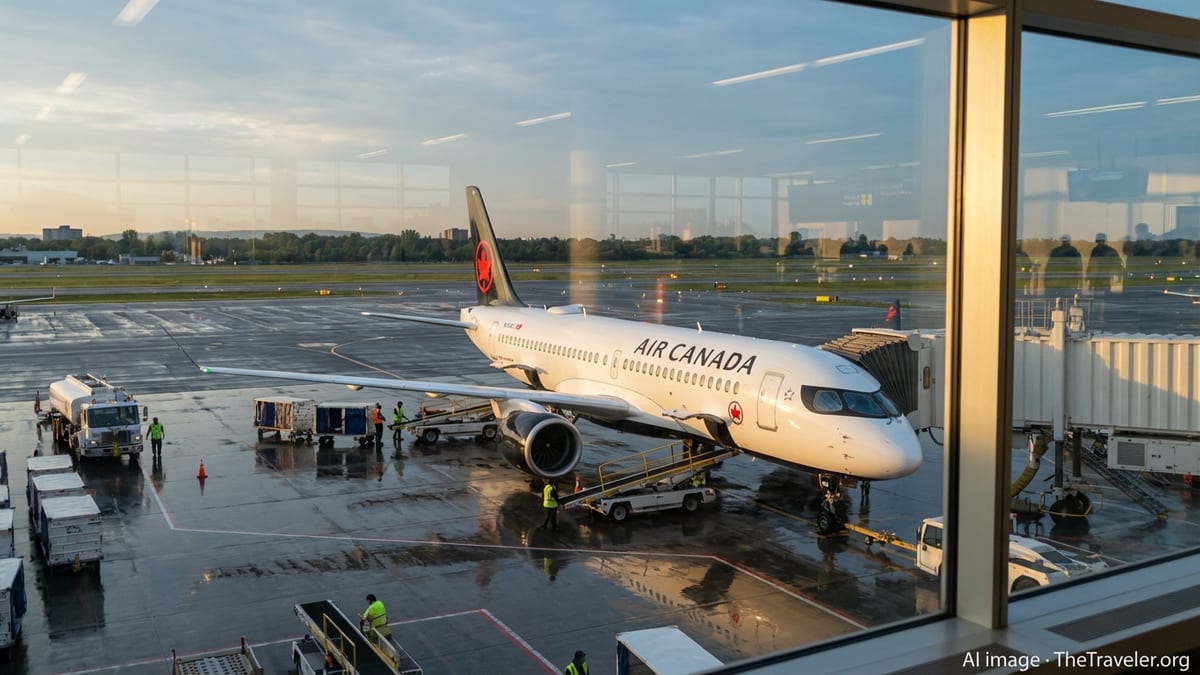
Heavy summer demand strains two key Mexican hubs
Monterrey International Airport and Guadalajara International Airport have both entered one of their busiest stretches of the year, with passenger volumes elevated by summer holidays and traffic linked to World Cup matches in Mexico and the United States. Publicly available traffic figures for June show that Guadalajara set a new record for monthly passenger numbers, while Monterrey reported a sharp rise in international traffic, setting the stage for congested terminals and tighter turnaround times as July progresses.
Higher aircraft movements increase the chance that minor disruptions cascade into longer delays. When departure banks are full and gates are tightly scheduled, even short ground stops or rerouting of a handful of flights can ripple through the day’s operations. The result for travelers is a greater likelihood of late departures, missed connections and last-minute schedule adjustments, even when local conditions at the airport appear calm.
Reports from airline tracking platforms and airport-focused data sites in recent days point to fluctuating on-time performance in Monterrey in particular, with several carriers showing a higher share of late arrivals and departures compared with earlier in the year. In Guadalajara, recent delays have been more concentrated during peak morning and evening waves, when runway and taxiway activity are at their highest.
Airlines are responding by adjusting departure times, consolidating lightly booked services and, in some cases, swapping aircraft types to cope with demand. For passengers, these measures can appear as sudden changes in itineraries or equipment, and they add another layer of uncertainty to already crowded travel days.
Stormy weather and summer heat complicate flight operations
Seasonal weather patterns across northern and western Mexico are adding to the operational complexity. Extended forecasts for the Monterrey area this week point to periods of intense heat combined with scattered thunderstorms around the metropolitan area, conditions that can force temporary suspensions of ground operations, reduce visibility and trigger air traffic control flow restrictions.
Meteorological bulletins and local coverage earlier in the season documented instances in which poor visibility and convective storms around Monterrey led to flight diversions and holding patterns, with aircraft routed to alternate airports until conditions improved. Even short interruptions of this kind can leave airlines working through a backlog of departures and arrivals long after skies clear, particularly when turnaround times are already compressed.
Guadalajara faces a different but related challenge. The rainy season in Jalisco typically brings afternoon and evening showers and occasional thunderstorms, increasing the risk of low clouds and wet runway conditions during some of the airport’s busiest hours. While the facility generally maintains operations during such events, aircraft may need greater separation on approach and departure, effectively reducing runway capacity just as demand peaks.
High temperatures also play a role. On very hot days, performance limits can require payload restrictions or operational adjustments, especially for longer flights departing from Monterrey. That can translate into weight-and-balance decisions at the gate, additional ground time and, in some circumstances, offloading of baggage or cargo that must be sent on later flights.
Knock-on effects from regional disruptions and security incidents
The current pattern of delays in Monterrey and Guadalajara does not exist in isolation. Air travel across Mexico has been affected this year by a mix of security incidents, regional disruptions and one-off airspace restrictions, all of which contribute to a more fragile operating environment for carriers linking the country’s major cities.
In February, a wave of cartel-related unrest and highway blockages in Jalisco briefly complicated access to Guadalajara’s airport, with public advisories urging passengers to monitor transportation conditions closely. While the airport itself continued to operate and subsequently returned to normal activity, the episode highlighted how quickly ground transport issues can spill over into missed flights and schedule pressure for airlines.
Separately, temporary airspace closures in parts of the southern United States earlier in the year created rerouting and congestion in neighboring flight information regions. Although those restrictions were concentrated over Texas and New Mexico, their impact on transborder traffic flows illustrates how long-haul and regional schedules linking Monterrey and Guadalajara to US gateways can be exposed to distant operational constraints.
As carriers rebuild and expand networks in response to robust demand, there is less slack in aircraft and crew availability. When an aircraft or crew is delayed on an earlier leg, subsequent rotations through Monterrey or Guadalajara are more likely to be affected, with delays propagating across the day’s schedule and, at times, into the following morning.
What travelers are experiencing on the ground
Passengers transiting both airports in recent days have reported longer-than-usual queues at check-in and security during peak periods, as well as crowded gate areas when multiple delayed flights depart in close succession. Social media posts and traveler forums describe experiences ranging from modest delays of 30 to 60 minutes to more disruptive multi-hour waits, occasionally accompanied by equipment changes and gate reassignments announced with limited notice.
At Monterrey, delays have been particularly visible on some domestic routes feeding major leisure and business destinations, where aircraft are operating at or near full capacity. In Guadalajara, some travelers connecting to or from US cities report tight connection windows becoming more stressful when inbound flights arrive behind schedule, even when departing services ultimately push back close to on time.
Despite the challenges, both airports continue to process a high volume of flights daily, and most services are ultimately departing the same day. Public communications from the airport operators emphasize that facilities remain open and functioning, with airlines largely responsible for decisions on cancellations, consolidations and recovery options for affected customers.
Airport concessions, including shops and restaurants, have generally remained open during the delays, providing some relief for passengers facing extended waits. However, crowding in seating areas and at food outlets is a recurring theme in traveler accounts, particularly during evening peaks when multiple delayed departures overlap.
Practical advice for upcoming trips through Monterrey and Guadalajara
With delays likely to continue intermittently through the height of the summer season, travelers planning to pass through Monterrey or Guadalajara may benefit from building additional flexibility into their itineraries. Booking longer connection windows, where possible, can reduce the risk of misconnecting when inbound flights are running late, especially on itineraries that involve immigration checks or terminal changes.
Public information from airlines and airport operators underscores the importance of monitoring flight status frequently on the day of travel. Schedules and departure times can change several hours before a flight, and in some cases aircraft swaps may alter seating assignments. Checking in early and arriving at the airport with extra time helps absorb unexpected queues or security delays that can compound the impact of a late-arriving aircraft.
Travelers are also encouraged by consumer advocates to be familiar with airline policies on rebooking, meal vouchers and overnight accommodations in the event of significant delays or cancellations. While rules vary by carrier and ticket type, understanding available options in advance can speed decision-making at the airport when disruptions occur.
For those with particularly time-sensitive commitments, such as onward international connections or events, considering earlier departures in the day, when operations may be less affected by accumulated delays, can provide an additional margin of safety. As Monterrey and Guadalajara work through a demanding summer amid strong demand and volatile conditions, extra preparation may be the best tool for keeping travel plans on track.