


I thought I knew what to expect from the Barclaycard Rewards Visa. No-annual-fee rewards cards tend to blur together after a while, especially when you already juggle a travel card, a cash back card and a couple of airline cards. But the first time I sat down to seriously compare the Barclaycard Rewards Visa with the rest of my wallet, the results blindsided me in a few important ways, particularly as a frequent traveler.
Get the latest updates straight to your inbox!
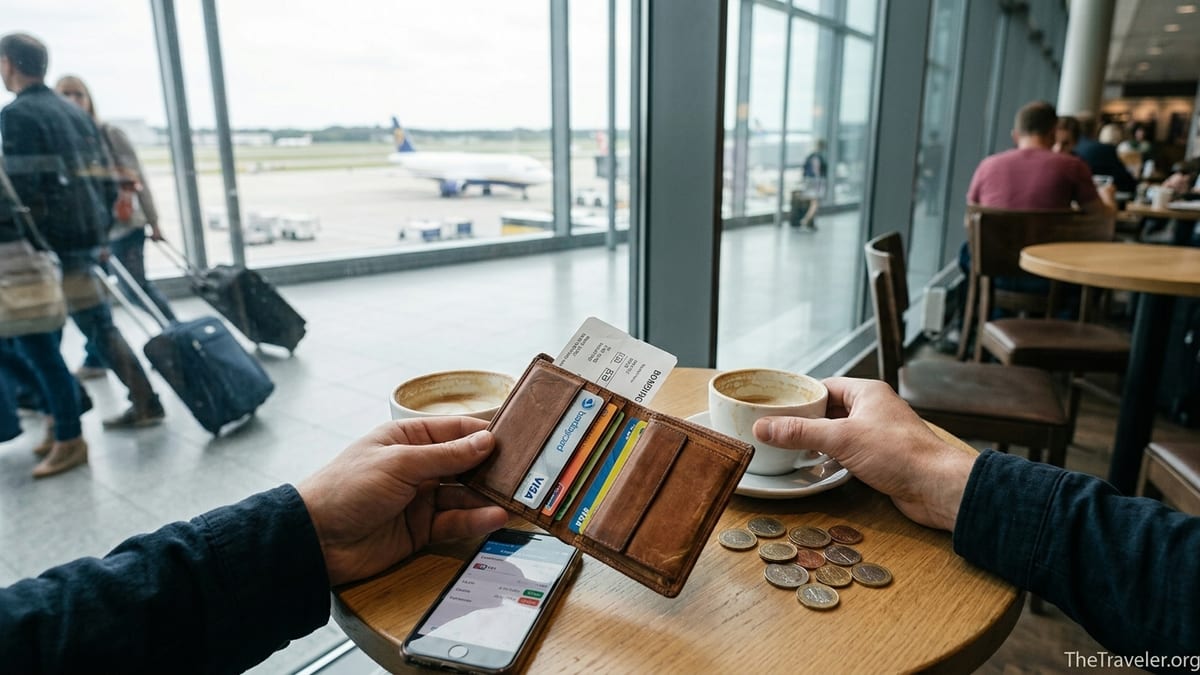
Discovering the Barclaycard Rewards Visa in a Sea of Travel Cards
That is why the Barclaycard Rewards Visa initially felt like background noise. It is a no-annual-fee UK card that quietly offers 0.25 percent cash back on everyday spending after the first pound each year, and it adds something many travelers underestimate until their first big trip abroad: no foreign transaction fees on purchases or withdrawals. In everyday life, that sounds modest. In real travel, it can be decisive.
The turning point came as I planned a two-week summer trip that zigzagged from London to Barcelona, then on to a friend’s wedding in Athens. I laid all my cards out on the table, figuratively and literally, and ran the numbers for typical expenses: a £180 Eurostar ticket, a 250 euro tapas-fueled night out with friends, a string of hotel stays and a few unplanned ATM withdrawals. The Barclaycard Rewards Visa quietly started to look less like a backup and more like a serious workhorse.
What surprised me most was not a flashy sign-up bonus or airport lounge access. It was the mundane combination of almost-zero friction abroad, simple rewards and the absence of fees that tend to hide in the fine print. The card did not try to compete with premium travel cards at the top end. Instead, it chipped away at the real costs of travel in ways that were easy to overlook until I compared them line by line.
Fees, FX Markups and the Hidden Cost of Using the Wrong Card
Most travelers pay far more than they realise for the convenience of paying in their home currency abroad. Many mainstream rewards cards in the US and Europe still charge around 3 percent foreign transaction fees when you use them outside their home market. On a single 800 euro hotel bill in Rome, that is roughly 24 euros in invisible cost if your card levies a typical surcharge.
By contrast, the Barclaycard Rewards Visa is explicitly structured with no foreign transaction fees on purchases or cash withdrawals at foreign ATMs, provided you pay the balance on time. For a British traveler spending the equivalent of £2,000 across a week in New York on meals, attractions and shopping, avoiding a 2.75 to 3 percent FX fee can mean saving around £55 to £60 that would otherwise evaporate in charges.
As I plugged my own itinerary into a simple spreadsheet, those percentages turned into concrete amounts. A long weekend in Copenhagen easily tops 5,000 Danish kroner for a couple once you factor in hotel, food and transport. Paying that with a card that adds close to 3 percent would quietly tack on the cost of a decent dinner at a mid-range restaurant in the city. The Barclaycard Rewards Visa, in comparison, keeps those kroner as part of your travel budget rather than diverting them to the bank.
The other surprise was at the ATM. Many cards treat cash withdrawals as cash advances, with immediate interest and additional fees. The Barclaycard Rewards Visa allows fee-free foreign cash withdrawals in terms of card charges, though local ATM operators can still levy their own fees and interest applies if you do not clear the balance. In practical terms, that means taking out 100 euros at a Paris cash machine does not automatically trigger a cash advance fee from Barclaycard itself, which can make a real difference when you only need enough cash for market stalls and small cafes.
Rewards That Look Small on Paper but Work Hard on the Road
On its face, 0.25 percent cash back is not the kind of headline rate that grabs attention. Many popular US cards advertise 1.5 percent or 2 percent flat rewards, with rotating 5 percent categories. The Barclaycard Rewards Visa sits at the modest end of the spectrum, but it pairs that lower rate with other features that change the equation for practical travel use.
The important detail is that the 0.25 percent cash back applies after the first pound spent each year and is earned on almost every eligible purchase, including many categories that some issuers exclude when you cross borders. For a traveler who regularly spends £10,000 per year on a mix of domestic and overseas expenses, that works out to around £25 in straightforward cash back. Alone, that would not justify choosing the card over richer alternatives.
However, the real impact appears when you layer that rewards structure on top of zero foreign transaction fees and no annual fee. Imagine a British couple who spend a combined £6,000 over two trips, one to Florida and one to Thailand, using the Barclaycard Rewards Visa exclusively for hotels, meals and internal flights. On another no-annual-fee card charging a typical 2.99 percent foreign transaction fee, they could lose roughly £180 to FX surcharges, even before considering any lower reward rates on overseas spending. With Barclaycard Rewards Visa, they keep that £180 and still earn around £15 in cash back.
In other words, the card’s value in my comparison did not come from eye-catching reward percentages. It came from preserving money that many travelers resign themselves to losing as a “cost of going abroad.” When I ran scenarios for a year of trips, from a weekend in Dublin to a longer journey across Southeast Asia, the Barclaycard Rewards Visa consistently turned what would have been wasted fees into usable budget for museum tickets, local SIM cards or a final meal before flying home.
Real-World Itineraries: Where the Card Quietly Shines
To see how the Barclaycard Rewards Visa fits into real travel plans, it helps to map it onto a realistic one-year calendar. Picture a traveler based in Manchester who takes three trips in a year: a four-day city break in Berlin, a week-long summer holiday on the Algarve in Portugal and a December markets trip to Vienna and Prague.
In Berlin, they stay four nights at a mid-range boutique hotel for around 600 euros, spend 250 euros on food and drink and another 150 euros on transport and attractions. That is about 1,000 euros, or roughly £850 at a typical exchange rate. In Portugal, a week in a seaside apartment, a rental car and meals might easily run to 1,500 euros. The winter markets. with cosy guesthouses, mulled wine and Christmas shopping, could add another 1,000 euros over several days.
Across those three trips, the traveler spends around 3,500 euros abroad, which might convert to roughly £3,000. On a card with a near 3 percent foreign transaction fee, they would pay almost £90 in charges simply for the privilege of using their card. With the Barclaycard Rewards Visa, they avoid that card-level fee entirely. Add in the small but automatic 0.25 percent cash back and they get around £7.50 back for spending they needed to do anyway.
Now consider a different traveler, this time from London, who spends a working month in Toronto to collaborate with a Canadian office. They pay for an extended-stay apartment, regular meals out and a few weekend trips to Niagara Falls and Montreal. If they put 4,000 Canadian dollars of spend on a card that levies a foreign fee, they could see more than 100 pounds in FX charges over the month. By using the Barclaycard Rewards Visa as their default, that researcher effectively pays closer to the real exchange rate and preserves enough money to cover a round-trip train ticket between Toronto and Montreal or several dinners at a busy King Street restaurant.
Comparing Barclaycard Rewards Visa With Popular Alternatives
When I compared the Barclaycard Rewards Visa to other cards available to travelers in different markets, the contrasts became clearer. In the UK, some bank-issued rewards cards combine higher domestic cash back with foreign transaction fees, which makes them better suited to everyday supermarket and petrol station spending but less efficient for holidays abroad.
Consider a common scenario. A traveler holds a supermarket-linked card that pays 1 percent back on grocery spending but charges nearly 3 percent on overseas transactions. If they use that card for a £200 grocery run every week at home, it is an excellent fit. But if they then tap it for a £1,500 resort bill in Mexico, the fee erases a year’s worth of grocery rewards in a single check-out. In my side-by-side table, Barclaycard Rewards Visa did not try to beat that grocery card on home turf; it simply refused to impose the FX penalty when the destination changed.
For US-based readers, the best comparison is with familiar products like Capital One Quicksilver or Bank of America Travel Rewards, which also offer no foreign transaction fees and no annual fees, alongside flat-rate rewards. Those cards typically pay higher rewards, near 1.5 to 1.75 percent on most purchases, but they are not available to UK residents. In practice, each market has its own ecosystem, yet the Barclaycard Rewards Visa fills a similar niche for British travelers who want a simple, “always safe abroad” option without annual charges.
The conclusion of my comparison was not that Barclaycard Rewards Visa is the richest rewards card on the market. Rather, it emerged as a reliable specialist: not necessarily the best card for all spending, but frequently the right one to pull out at a Paris cafe, a Tokyo convenience store or a Lisbon metro ticket machine. That clarity of purpose was what surprised me most, given how unassuming its marketing materials look next to premium travel cards.
Practical Lessons From My First Comparison
Sitting down to compare cards sounds dry, but the process changed how I build my travel wallet. The Barclaycard Rewards Visa taught me that a card does not need a lounge access program or a metal finish to be genuinely useful on the road. Sometimes the best feature is the absence of pain: no annual fee, no foreign transaction surcharge and a rewards scheme that works the same whether you are buying groceries at home or booking a ferry ticket in another currency.
The first lesson was to match each card with a role. My premium airline card now mostly lives at the check-in desk and on airline websites, where its free checked bags and priority boarding actually matter. The hotel card appears when I stay within its network to maximise free nights and elite status. The Barclaycard Rewards Visa, on the other hand, has become the default choice for day-to-day travel life once I have arrived: metro passes, coffee shops, market stalls that accept contactless and the occasional ticket booth at a museum.
The second lesson was to look beyond headline reward percentages and pay close attention to fee structures. A card that offers 1 percent more in cash back but charges nearly 3 percent in FX fees will quietly lose you money on almost any overseas trip. In contrast, a modest 0.25 percent return with zero foreign surcharge can leave you ahead by a comfortable margin by the time you account for all your spending in foreign currencies across a year.
The final lesson was about flexibility. Because the Barclaycard Rewards Visa sits on the widely accepted Visa network, it proved welcome at small independent shops in southern Italy and at larger chains in downtown Chicago. On a recent trip, I watched another traveler struggle when a niche card was rejected at a local petrol station along the coast, forcing them to hunt for an ATM and pay withdrawal fees. With a mainstream, fee-friendly Visa in your pocket, those friction points become much rarer.
The Takeaway
My first serious comparison of the Barclaycard Rewards Visa against the rest of my travel lineup left me genuinely surprised. Not because it outgunned premium travel cards on perks or sign-up bonuses, but because it consistently removed friction and unnecessary cost from real-world trips without asking for an annual fee in return.
If you are a UK-based traveler who regularly spends in other currencies, the combination of no foreign transaction fees, no annual fee and straightforward cash back makes this card a quiet contender for a permanent slot in your wallet. It might not replace your airline or hotel cards, but it can complement them in ways that are easy to feel on the ground, from Berlin train tickets to New York coffee runs.
The broader lesson is universal, regardless of where you live. Before your next big trip, take an hour to compare not just rewards but fees, acceptance and how each card fits into specific parts of your itinerary. You might find, as I did, that a modest-looking card like the Barclaycard Rewards Visa is exactly the reliable companion your journeys have been missing.
FAQ
Q1. Is the Barclaycard Rewards Visa still available to new applicants?
The Barclaycard Rewards Visa has been available in the UK in recent years, but availability can change. Always check directly with Barclaycard for current application status and eligibility.
Q2. Does the Barclaycard Rewards Visa charge foreign transaction fees?
The card has been marketed with no foreign transaction fees on purchases or cash withdrawals abroad when the balance is repaid on time, which is a key reason it appeals to frequent travelers.
Q3. What rewards rate does the Barclaycard Rewards Visa offer?
It typically offers around 0.25 percent cash back on eligible purchases after the first pound each year, which is modest but pairs well with the absence of FX and annual fees.
Q4. Is the Barclaycard Rewards Visa a good primary travel card?
For many UK travelers it works best as a specialist card for everyday overseas spending, complementing an airline or hotel card rather than replacing them entirely.
Q5. How does the Barclaycard Rewards Visa compare with premium travel cards?
Premium cards often offer higher rewards, lounge access and insurance, but they usually charge annual fees. Barclaycard Rewards Visa focuses on keeping costs low, especially abroad.
Q6. Can I use the Barclaycard Rewards Visa for cash withdrawals while traveling?
The card allows cash withdrawals abroad without additional Barclaycard fees, though local ATM operators may still charge and interest applies if you do not clear the balance promptly.
Q7. Do I earn rewards on all overseas purchases?
In general you earn the same cash back rate on eligible overseas purchases as at home, but it is wise to check the latest terms to see if certain merchant types or transactions are excluded.
Q8. Will the Barclaycard Rewards Visa be accepted widely when I travel?
Because it runs on the Visa network, it is accepted at millions of merchants worldwide, from large hotel chains to small independent cafes that support standard Visa transactions.
Q9. Is the Barclaycard Rewards Visa better than a card with higher cash back but FX fees?
On overseas trips, avoiding a typical 3 percent foreign fee usually outweighs earning an extra 1 percent in rewards. For domestic spending, a higher-rate cash back card may still win.
Q10. What is the biggest advantage of using the Barclaycard Rewards Visa for travel?
The main benefit is the combination of no annual fee and no foreign transaction fees, which helps keep everyday travel costs under control while still earning a small amount of cash back.