


More news on this day
The United States is moving to sharply tighten travel and visa rules linked to so called birth tourism, as a series of new enforcement initiatives and policy proposals place pregnant visitors and organized maternity travel networks under unprecedented scrutiny.
Get the latest news straight to your inbox!
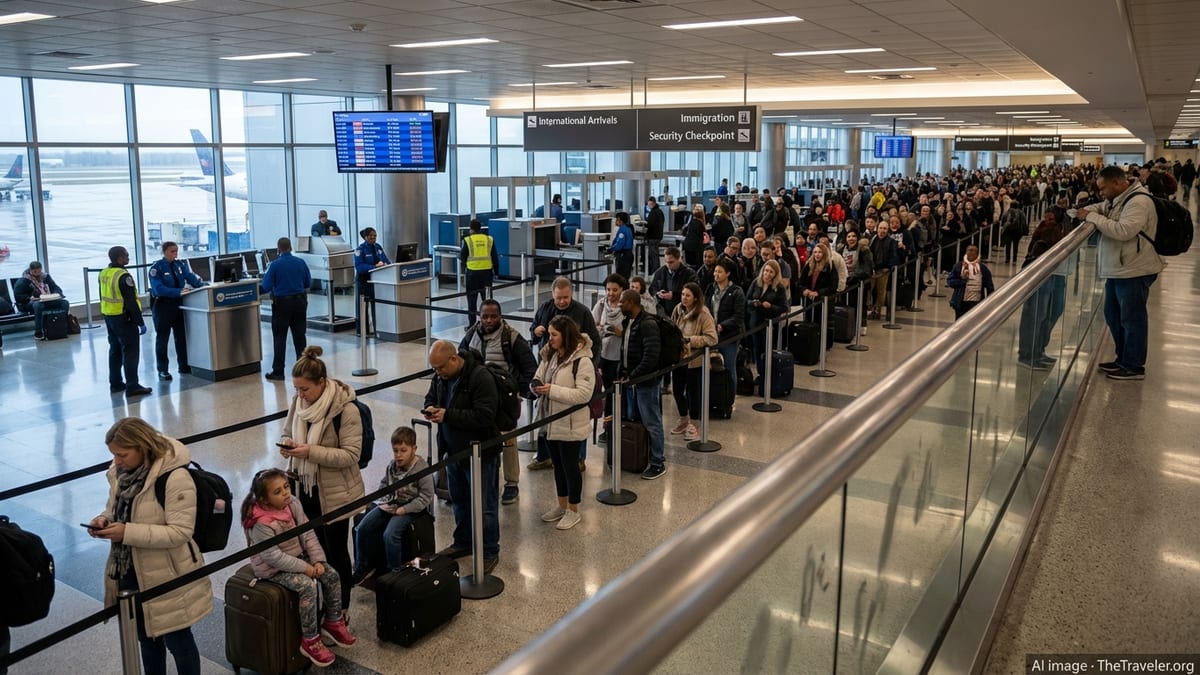
New Crackdown Puts Birth Tourism at Center of Travel Policy
Recent executive actions, Justice Department priorities and State Department initiatives are collectively reshaping how the United States treats foreign visitors who may be seeking to give birth on American soil. Publicly available documents and media coverage describe a coordinated focus on dismantling commercial networks that arrange travel, lodging and hospital access for pregnant clients while encouraging them to conceal their true purpose of travel.
Reports indicate that a new State Department task force is targeting what officials describe as elaborate birth tourism rings, including operators that advertise U.S. birth as a pathway to citizenship for children. Public statements about the task force highlight concerns about fraudulent visa applications, forged medical records and undisclosed late stage pregnancies presented at consular interviews or at the border.
The latest push follows years of sporadic enforcement against individual birth tourism businesses, particularly those catering to clients from China and other countries with sizable middle class demand for foreign passports. What is different in 2026, analysts note, is that birth tourism has moved from a niche consular concern to a central talking point in national debates over immigration, border security and the meaning of U.S. citizenship.
Executive Orders and Legal Fights Over Birthright Citizenship
The current enforcement climate is closely linked to efforts to narrow birthright citizenship through presidential directives. Coverage of recent White House actions points to an executive order framed as protecting the value of American citizenship, which seeks to limit automatic citizenship for some children born in the United States, including certain categories of parents with temporary or diplomatic status.
Civil rights groups and immigration law scholars have challenged earlier attempts to curtail birthright citizenship, and court records show that key provisions have been blocked or remain under review. Legal analysts emphasize that the Supreme Court recently reaffirmed the constitutional guarantee of citizenship for most children born on U.S. soil, even as the administration has responded by redirecting its strategy toward policing the circumstances of travel rather than changing the constitutional standard itself.
In this environment, birth tourism has emerged as a politically useful target. Commentaries note that while the overall number of births linked to foreign visitors appears small compared with the more than three million annual births in the United States, the practice is being portrayed as emblematic of broader concerns about fraud and the perceived commodification of U.S. passports.
Visa Scrutiny and Enforcement Actions Affecting Travelers
Travel and immigration specialists report that the focus on birth tourism is beginning to influence front line visa and border processes. Guidance reflected in State Department rules and past Federal Register notices already instructs consular officers to deny visitor visas when there is reason to believe an applicant’s primary purpose is to give birth in the United States to secure citizenship for a child. The new task force and enforcement priorities may further encourage close questioning of applicants who appear to be in late stages of pregnancy or who provide ambiguous explanations for long visits.
Social media and travel forums in recent weeks have featured questions from pregnant travelers wondering whether ordinary tourism or family visits could draw extra scrutiny. While there has been no public indication of a blanket ban on pregnant visitors, experts caution that more intensive screening, document requests and secondary inspections at ports of entry are likely as the focus on birth tourism intensifies.
At the same time, publicly reported enforcement actions describe visa revocations and investigations tied to organized networks, including cases in which dozens or even hundreds of visas were canceled after authorities linked them to coordinated birth tourism schemes. These actions reinforce a message that consular posts and border officers are expected to treat misrepresentation about pregnancy and travel purpose as serious grounds for denial or removal.
Numbers Remain Small but Political Impact Is Large
Research cited in recent commentary suggests that births associated with birth tourism represent a fraction of overall U.S. births, with estimates generally ranging from several thousand to a few tens of thousands annually in past years. Policy analysts argue that the scale of the practice, while not negligible, is modest compared with other migration flows that shape the U.S. population and labor market.
Despite the limited numbers, the political resonance of birth tourism is significant. The issue connects debates over border enforcement, consular screening, health care costs and the symbolism of the U.S. passport. Advocacy groups warn that sweeping rhetoric about cracking down on birth tourism risks stigmatizing pregnant travelers in general, particularly women from certain regions or with specific visa categories.
Industry groups in the travel sector also express concern that heightened suspicion of pregnant visitors could contribute to a broader perception that the United States is an increasingly difficult and unpredictable destination. They note that international tourism plays an important role in local economies, and that uncertainty about who may be turned away at the border can discourage legitimate visitors from making plans.
Uncertain Future for Travelers and the Tourism Industry
The long term impact of the new focus on birth tourism will depend on how policy proposals are translated into day to day practice at embassies, consulates and ports of entry. If enforcement remains concentrated on organized, for profit birth tourism rings that rely on fraud and false documentation, analysts expect limited direct impact on most travelers. If, instead, broad suspicion of pregnancy becomes normalized in visa and border screening, the chilling effect on international travel could be more significant.
Legal challenges to executive orders touching on birthright citizenship and related travel policies are likely to continue, creating uncertainty for families, hospitals and tourism businesses. Immigration lawyers are already advising clients to be prepared with detailed documentation of medical needs, travel insurance and clear itineraries, particularly when pregnancy is involved.
For now, what is clear from government publications and media reporting is that birth tourism has shifted from a little known niche to a high profile target in U.S. travel policy. As the United States attempts to balance national security concerns, constitutional guarantees and the economic value of tourism, pregnant visitors and the businesses that serve them will be watching closely for the next regulatory move.