


More news on this day
The United States is sharpening its stance on birth tourism, with recent moves on visas, enforcement and citizenship policy signaling a tougher environment for foreign travelers whose primary goal is giving birth on US soil.
Get the latest news straight to your inbox!
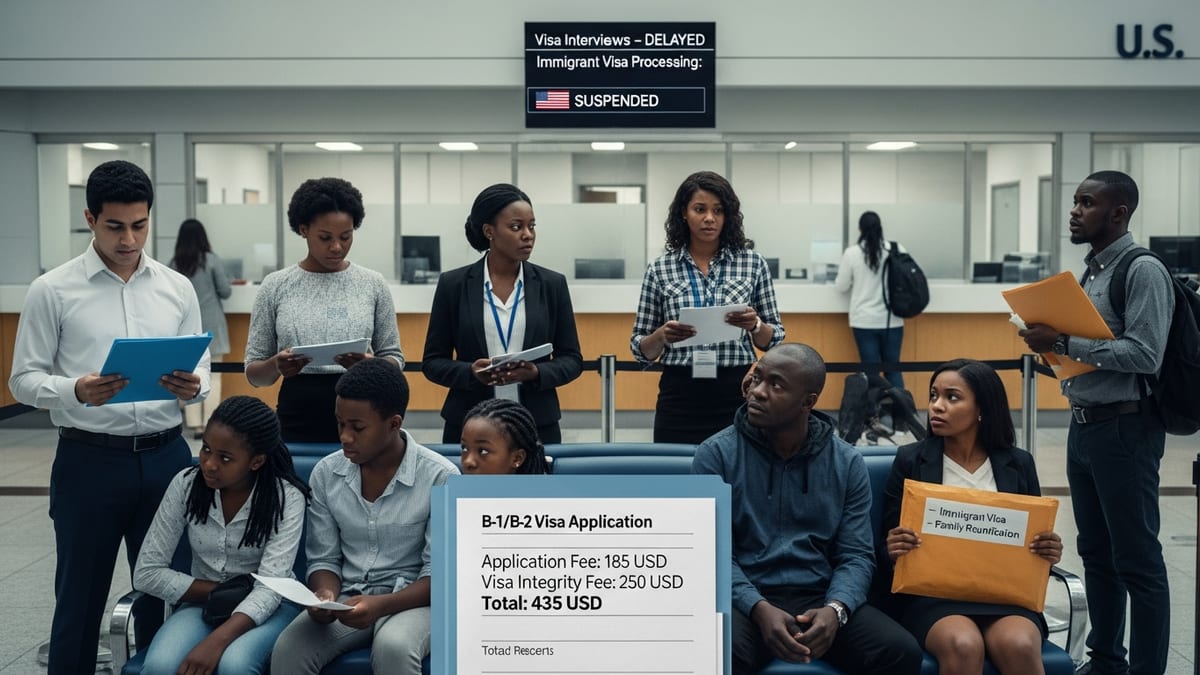
Longstanding Visa Rules Gain New Urgency
The core legal framework targeting birth tourism predates the latest political debate. Since January 2020, the US Department of State has treated travel for the primary purpose of giving birth in the United States to obtain citizenship for a child as an impermissible reason to receive a B category visitor visa. Consular officers are instructed to deny applications when they have reason to believe an applicant’s main objective is childbirth in the country.
Publicly available guidance clarifies that visitors may still seek medical treatment in the United States, including pregnancy care, but must show that medical needs, financial arrangements and broader travel plans are legitimate. The burden rests on the applicant to demonstrate that any anticipated birth is incidental to another primary reason for travel, such as business, family visits or tourism.
Recent reminders from official channels have brought this rule back into focus. Public postings by consular affairs officials reiterate that using a tourist visa principally to secure citizenship for a future child can result in visa refusals and jeopardize eligibility for future US travel. These messages reflect a broader push to discourage commercial birth tourism networks that market US passports as a product.
Travel industry observers note that while the 2020 rule did not close the door on pregnant travelers, it introduced a presumption that scrutinizes pregnancies more closely in the context of visa issuance. That presumption is now being invoked more prominently as new enforcement initiatives emerge.
Criminal Cases Expose Commercial Birth Tourism Networks
Federal prosecutions over the past several years have outlined how organized birth tourism operations function. Court records describe intermediaries who advertise packages promising US citizenship for newborns, arrange housing near hospitals, coach clients on what to say at consular interviews and ports of entry, and sometimes conceal pregnancy to reduce scrutiny.
These cases frequently involve charges such as visa fraud, money laundering and conspiracy. Prosecutors have alleged that some operators misrepresent the purpose of travel on visa applications, underreport income and instruct clients to hide the true cost of services from immigration authorities.
Congressional investigations have echoed concerns raised in court filings. A report by a Senate committee described the birth tourism sector as a profit-driven industry that exploits weaknesses in visa screening and imposes costs on US hospitals and local services when medical bills go unpaid. The report endorsed the State Department’s efforts to narrow the grounds for visitor visas in cases where childbirth is the clear objective.
These enforcement actions have had a chilling effect beyond the companies directly implicated. Immigration attorneys say travelers who are visibly pregnant or who mention maternity-related services now face more detailed questioning about their finances, medical plans and ties to their home countries, even when their circumstances are otherwise routine.
New Task Forces and Visa Revocations Signal Escalation
Recent political developments point to a new phase of enforcement against birth tourism. Public coverage of policy speeches and social media statements indicates that senior officials have framed birth tourism as an abuse of immigration rules that erodes public confidence in the citizenship system. Proposals highlighted in news reports include dedicated task forces to investigate organized schemes and closer monitoring of visa holders suspected of participating in commercial arrangements.
According to recent reporting, visa revocations have been cited as a tool for targeting individuals linked to fraudulent birth tourism operations. Public summaries of enforcement activity describe cases where visas were canceled for travelers accused of arranging or advertising illicit maternity travel, alongside other categories such as violent offenders and fraudsters.
Specialists in migration policy caution that data on the scale of birth tourism remain limited. Estimates of the number of children born in the United States to nonresident mothers vary widely, and official birth statistics do not always distinguish between legitimate medical travel and organized commercial schemes. Nevertheless, policymakers are treating the issue as a priority within a broader push to tighten nonimmigrant visa controls.
The heightened attention has raised questions among travelers who are pregnant or planning to become pregnant. Public guidance continues to state that visiting the United States while pregnant is not prohibited in itself. However, applicants whose due dates coincide with their planned stays must now be prepared to document the necessity of their trip and the arrangements made to pay for care.
Birthright Citizenship Debate Adds Political Heat
Separate from visa rules, birth tourism has become entangled in renewed challenges to birthright citizenship. Recent executive actions and court battles have revived debate over the scope of the Fourteenth Amendment, which has long been interpreted to grant citizenship to most children born on US soil regardless of their parents’ immigration status.
News coverage has detailed attempts by the current administration to narrow birthright citizenship in cases involving parents who hold temporary visas or lack lawful permanent residence. Federal judges have issued injunctions blocking full implementation of these measures while litigation proceeds, emphasizing the tension between new policies and longstanding constitutional precedent.
Analysts note that, although birth tourism accounts for a relatively small share of all US births, it has become a symbolic focal point in arguments over loyalty, national security and resource allocation. Critics of restrictive measures argue that targeting a small group of families risks stigmatizing legitimate travelers and could invite reciprocal restrictions on Americans abroad. Supporters respond that even limited abuse undermines confidence in immigration systems and warrants a firm response.
The unresolved legal landscape leaves families and travel planners facing uncertainty. Policy shifts on birthright citizenship would not change the existing visa rules overnight, but the political link between the two debates has made consular decisions about pregnant travelers more sensitive.
Implications for Travelers and the Global Tourism Market
For travelers, the evolving US stance on birth tourism translates into greater scrutiny at both the visa application stage and the border. Consular guidance underscores the importance of clearly articulating the primary purpose of travel, providing detailed itineraries and demonstrating financial capacity, particularly when medical care is involved.
Travel advisors are urging clients to anticipate longer processing times and more probing questions if pregnancy is disclosed or apparent. Documentation such as medical letters, proof of insurance or evidence of prepayment for hospital services may help demonstrate that any birth in the United States is incidental to a broader, legitimate visit rather than the central motivation.
On a global level, the policy environment may influence destination choices for prospective parents who once viewed US birth as a pathway to future educational or economic opportunities for their children. Some may redirect plans to other countries with more permissive regimes, while others may forgo birth-related travel altogether in favor of care at home.
As lawsuits and regulatory efforts continue, industry groups and civil society organizations are monitoring how enforcement is applied in practice. The balance between curbing fraud and preserving genuine travel remains at the heart of the emerging US approach, and the outcome will shape not only immigration statistics but also the country’s reputation as a destination for international visitors.