


More news on this day
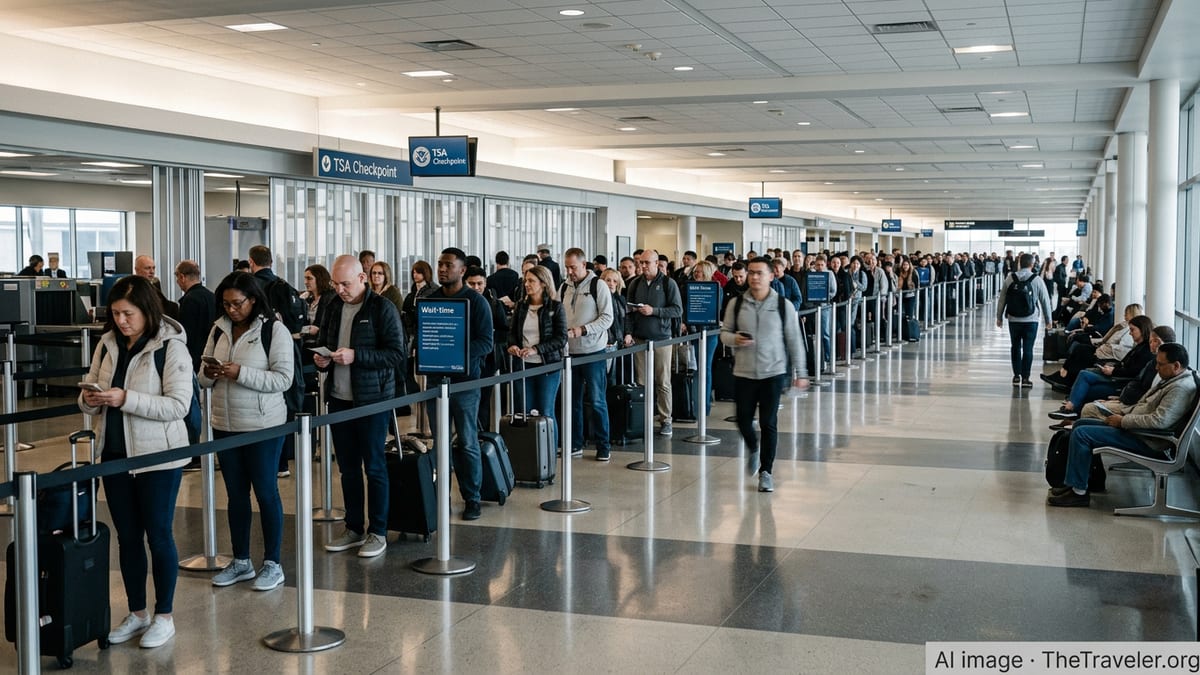
Thousands of passengers were left stranded at Nairobi’s Jomo Kenyatta International Airport on August 31 as a strike by aviation workers triggered widespread flight delays, overnight disruptions and cancellations across Kenya’s busiest air hub.
Get the latest news straight to your inbox!
Go-slow escalates into full-scale disruption at JKIA
Operations at Jomo Kenyatta International Airport (JKIA) have been severely curtailed since Sunday, August 30, when a go-slow by aviation workers escalated into a broader work stoppage affecting check-in, ground handling and air traffic support services. Publicly available information indicates that the industrial action, led by the Kenya Aviation Workers Union, has rolled into a second day, turning one of East Africa’s key transit hubs into a scene of long queues and crowded terminals.
Reports from regional and international outlets describe passengers sleeping on airport seats and terminal floors overnight as airlines struggled to reassign staff and secure departure slots. Some carriers arranged hotel transfers for travelers who missed connections or faced extended delays, while others advised customers to postpone nonessential journeys. At peak periods, departure boards showed a mix of heavily delayed flights and outright cancellations to regional destinations and long-haul hubs.
Nairobi’s main airport serves as a crucial gateway for business and leisure travel across East Africa, handling millions of passengers annually. The timing of the strike, at the tail end of the northern summer holiday period, has compounded the disruption for international tourists bound for Kenyan safaris, Indian Ocean beaches and onward travel across the continent.
Workers’ grievances center on contracts and working conditions
According to published coverage, union representatives say the latest strike action stems from long-running disputes over working conditions, pay and job security. Key points cited in local and international reports include the absence of a concluded collective bargaining agreement for certain airport staff, complaints over staffing levels and concerns about the proposed use of volunteers to cover operational roles traditionally carried out by trained employees.
Airport workers involved in the action include personnel from the Kenya Airports Authority and the Kenya Civil Aviation Authority, along with staff supporting airline operations on the ground. The union has publicly argued that expanding reliance on temporary or volunteer labor could erode professional standards and compromise career prospects for aviation workers who have undergone specialized training.
The strike follows a series of labor disputes at JKIA in recent years, including a high-profile stoppage in February 2026 that also left large numbers of passengers stranded. Observers note that the recurrence of similar grievances has raised questions about the pace of labor reforms at one of Africa’s most important aviation gateways.
Travelers face missed connections and uncertain itineraries
The immediate impact for travelers has been pronounced. International agencies and local outlets report that hundreds of passengers spent the night in JKIA’s departure halls, with many sitting beside luggage trolleys as they waited for updates on rescheduled flights. Some travelers opted to abandon or reroute their trips altogether after multiple departure times were pushed back or removed from schedules.
Airlines serving Nairobi have responded differently depending on their resources and network options. Kenya Airways and its low-cost subsidiary Jambojet have reported significant delays on key regional routes, while foreign carriers flying in from the Middle East and Europe have adjusted departure times or temporarily reduced frequencies. Passengers transiting through Nairobi to destinations such as Johannesburg, Lusaka, Entebbe and coastal Kenya have been particularly vulnerable to missed onward connections.
For those already in the air when the disruption intensified, arrival at JKIA has often meant long waits on the ground. Some arriving passengers have found that their domestic or regional connections were no longer operating, forcing unscheduled overnight stays in Nairobi. Travel advisories shared by airlines and news outlets are urging passengers headed to or through JKIA to check flight status regularly, allow extra time at the airport and remain flexible about rebooking options.
Wider impact on tourism and regional connectivity
The strike is reverberating beyond the airport terminals, with implications for Kenya’s tourism sector and regional trade links. JKIA functions as a primary entry point for visitors heading to national parks such as the Maasai Mara and Amboseli, as well as to coastal resorts in Mombasa, Diani and Lamu via domestic connections. Disruptions to arrival and departure schedules risk lost nights of prebooked accommodation, missed safari departures and logistical challenges for tour operators coordinating tightly timed itineraries.
Travel industry analysts note that the situation is particularly sensitive as Kenya continues to compete for long-haul visitors in a recovering global tourism market. While strikes and staffing issues have affected airports worldwide in recent years, repeated labor disputes at a single hub can influence how airlines schedule future capacity and how tour companies design routing for multi-country African trips.
JKIA also plays a central role in connecting landlocked neighbors such as Rwanda, Uganda and South Sudan to long-haul networks. Ongoing disruptions can therefore ripple through cargo operations, regional business travel and humanitarian logistics, especially where flight schedules are already limited.
Negotiations underway as travelers await resolution
Publicly available information indicates that talks between the Kenya Aviation Workers Union and aviation authorities are continuing, with both sides under pressure to restore normal operations. News reports describe an evolving situation, with some flights moving again under significant delay while others remain grounded pending staffing decisions and safety assessments.
Authorities and airport operators have emphasized the need to maintain essential services while responding to the workers’ demands. In parallel, airlines are publishing rolling advisories, asking passengers not to proceed to the airport without confirmed departure times and encouraging use of digital channels for rebooking where possible.
For now, thousands of travelers remain caught in the middle, navigating uncertain timetables and last-minute changes to their journeys. As negotiations progress, attention across the global aviation and tourism sectors is focused on how quickly Kenya’s main international gateway can stabilize operations and what measures may be introduced to reduce the risk of similar standstills in the future.
DW: Kenya passengers stranded amid airport staff strike
Washington Post: Workers’ strike at Kenya’s main international airport
Malay Mail: Passengers stranded overnight by Kenya airport strike
Standard Media: Hundreds remain stranded as aviation workers’ strike enters day two