


More news on this day
Thousands of travelers were left sleeping on benches and terminal floors at Nairobi’s Jomo Kenyatta International Airport overnight after an aviation workers’ strike brought large parts of Kenya’s main air hub to a standstill.
Get the latest news straight to your inbox!
Go-slow Escalates Into Full Strike at Key East African Hub
Reports from Kenyan and international outlets indicate that the disruption began as a go-slow by aviation workers on Sunday, August 30, 2026, before escalating into a full strike that continued into Monday, August 31. Staff linked to the Kenya Aviation Workers Union are reported to have walked off the job or significantly reduced operations, affecting air traffic control, ground handling and other critical airport services at Jomo Kenyatta International Airport (JKIA) and several other Kenyan airports.
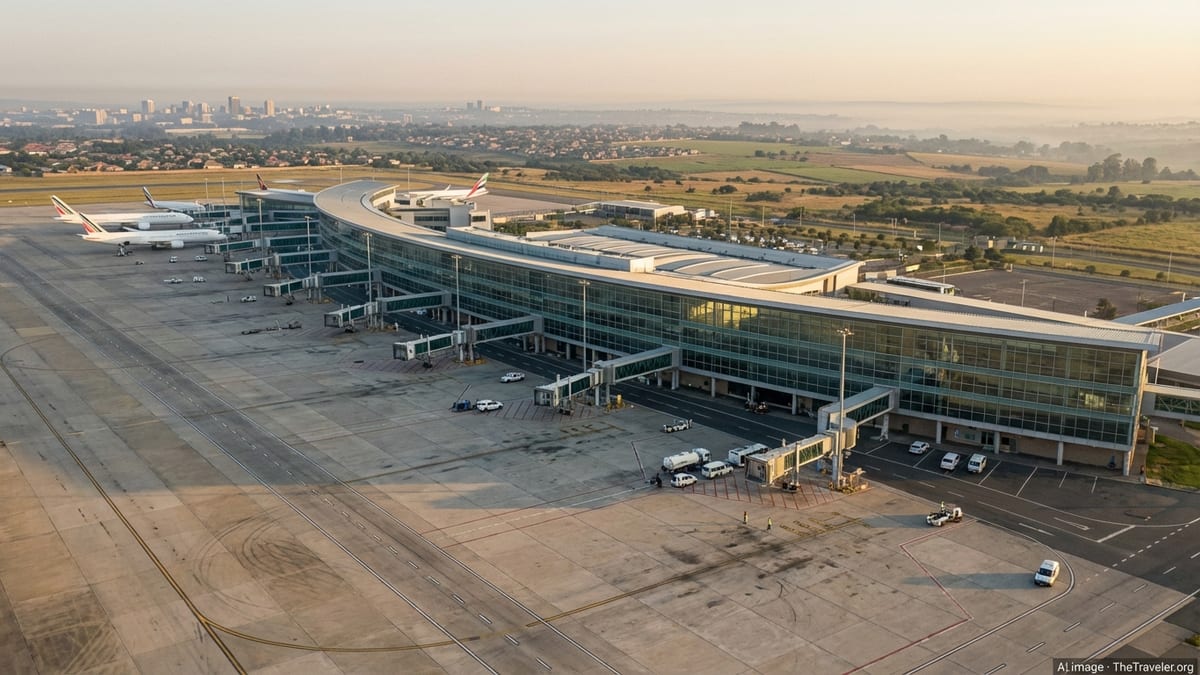
JKIA, which handled more than 9 million passengers in 2024 and serves as a primary gateway for East Africa, quickly became the epicenter of the turmoil as flight delays stretched into hours and multiple departures and arrivals were canceled. Images and video from the airport show crowded departure halls and passengers queuing with luggage amid limited information about revised schedules.
Coverage from Nairobi-based media and global wire services points to a combination of grievances behind the walkout, including demands for improved working conditions, better pay and implementation of previously agreed benefits. The latest stoppage follows a series of disputes in recent years between aviation workers and airport authorities over staffing levels, welfare and management changes affecting Kenya’s busiest airport.
Overnight Chaos as Passengers Sleep in Terminals
By early Monday, local outlets reported that hundreds, and potentially thousands, of passengers had spent the night inside JKIA’s terminals as airlines struggled to secure hotel rooms or alternative connections. Many travelers reportedly bedded down on terminal seats or the floor while waiting for updates, as information boards showed rolling delays and cancellations on both domestic and international routes.
Accounts compiled from Kenyan news reports describe families with young children, connecting passengers from the wider region and long-haul travelers all caught in the disruption. Some airlines were reported to have arranged hotel transfers for stranded customers by Monday morning, while others advised passengers to remain at the airport until more clarity emerged on flight operations.
The disruption has not been limited to Nairobi. Reports indicate that Moi International Airport in Mombasa and other major Kenyan airports also experienced significant slowdowns, with some regional services grounded and others operating with lengthy delays. Travelers connecting through Kenya from neighboring countries and the Gulf were among those affected, underscoring JKIA’s role as a regional transit hub.
Flight Cancellations, Missed Connections and Mounting Costs
As the strike entered its second day, published coverage highlighted a growing backlog of flights and a ripple effect across airline networks. Some passengers reported canceled legs at foreign hubs after carriers adjusted schedules in response to uncertainty over operations in Nairobi. Others described missed onward connections in Europe, the Middle East and within Africa as departure slots from JKIA were repeatedly pushed back or removed.
Travel advisories shared by airlines and airport stakeholders urged passengers to monitor flight status before heading to the airport and to prepare for extended waiting times. Several carriers reportedly began rebooking passengers on later services or routing them through alternative African gateways where possible, though available seats remained limited due to high seasonal demand.
For many affected travelers, the disruption has also brought unexpected expenses. Reports from local media note cases of passengers paying out of pocket for meals, last minute accommodation or alternative ground transport when they chose to abandon their trips. Travel industry observers in Nairobi have pointed to potential longer term financial implications for airlines and Kenya’s tourism sector, which depends heavily on reliable air links via JKIA.
Union Demands and Breakdown of Earlier Framework
According to detailed reporting in Kenyan outlets, the current strike follows the collapse of a framework agreement that had previously paused industrial action earlier in the year. That earlier deal set out a timetable for negotiations between the Kenya Aviation Workers Union and several aviation employers, including the Kenya Airports Authority, the Kenya Civil Aviation Authority and airlines operating at JKIA.
Workers now argue, as summarized in public reports, that key elements of that framework have not been implemented, particularly around wage adjustments, staffing levels and the harmonization of benefits for aviation employees across different entities. The union’s membership spans various functions, from air traffic services and technical staff to ground handling workers who manage baggage, check in and aircraft turnaround.
Published coverage suggests that the union had issued fresh notices warning of industrial action if progress was not made by late August. When those deadlines passed without a settlement, workers reportedly initiated go-slows that quickly escalated into walkouts, leaving contingency teams and non union staff struggling to keep operations running.
Uncertain Timeline for Full Restoration of Flights
As of Monday afternoon in Nairobi, there was no clear public indication of when full normal operations would resume at JKIA. Statements shared through local media and travel advisories emphasized that services were operating at reduced capacity and that further last minute changes to schedules were likely throughout the day.
Analysts who follow Kenya’s aviation sector note that even a relatively short strike can have lingering effects, as airlines work through backlogs, reposition aircraft and crews and accommodate passengers who have missed onward connections. With JKIA serving as a critical artery for tourism, business travel and time sensitive exports such as flowers and fresh produce, protracted disruption could have knock on effects for the wider economy.
For now, publicly available travel guidance recommends that passengers booked to travel through JKIA and other major Kenyan airports stay in close contact with their airlines, allow extra time for check in and security, and be prepared for itinerary changes at short notice. As negotiations continue, attention across the region remains focused on whether aviation workers and airport authorities can reach a settlement that restores normal operations while addressing the underlying labor disputes that have once again stranded thousands of passengers.
Pulse Kenya coverage of JKIA and Moi Airport strike
Citizen Digital report on passengers spending the night at JKIA
Nairobi News article on ongoing aviation workers’ strike
Associated Press dispatch on workers’ strike at Nairobi airport
Malay Mail story on passengers stranded overnight by Kenya airport strike