


More news on this day
Naples is experiencing one of the strongest tourism surges in Italy, transforming the historic port city into a top European city-break destination while intensifying worries over crowding, housing pressures and how to manage the influx sustainably.
Get the latest news straight to your inbox!
Visitor Numbers Climb as Naples Becomes a City-Break Star
Publicly available tourism data indicate that Naples has shifted from an under-the-radar destination to one of Italy’s fastest-growing city-break hubs. Analyses based on official statistics suggest that the city now accounts for several million overnight stays each year, with 2024 and early 2025 showing higher levels than pre-pandemic benchmarks. Sector studies referencing Campania figures point to roughly 3.5 to 3.9 million presences in Naples in 2024 alone, confirming a decisive step up from the city’s earlier tourism profile.
Regional data for Campania show tourism presences rising in 2024 compared with the previous year, underlining how Naples is anchoring a broader boom stretching from the city to nearby coastal and archaeological sites. National figures from Italy’s statistical authorities describe an overall rebound in arrivals and nights spent across the country, but the growth has been particularly concentrated in major art cities and gateway hubs such as Naples.
Local analyses prepared to support urban planning in Naples estimate that tourism activity in 2023 generated well over a billion euros in added value for the city economy. Those same assessments note a significant extension in average stay compared with the years immediately before the pandemic, as visitors increasingly combine Naples with trips to Pompeii, the islands of the Gulf and the Amalfi and Sorrento coasts.
Regional media and tourism consultancies report that Naples is now welcoming well over a million visitors in an average month during peak periods, with international travelers playing a growing role. Frequent rail connections from Rome and increased low-cost flights have turned the city into an accessible long-weekend destination for visitors from across Europe and North America.
Air and Cruise Traffic Fuel the Surge
Transport data underscore how infrastructure upgrades are feeding the tourist boom. Naples Capodichino airport reported record passenger volumes in 2023, exceeding 12 million travelers and surpassing pre-pandemic levels by a double-digit margin. Routes have expanded rapidly, with more point-to-point links to European capitals and secondary cities, bringing in visitors who might previously have flown into Rome or Milan.
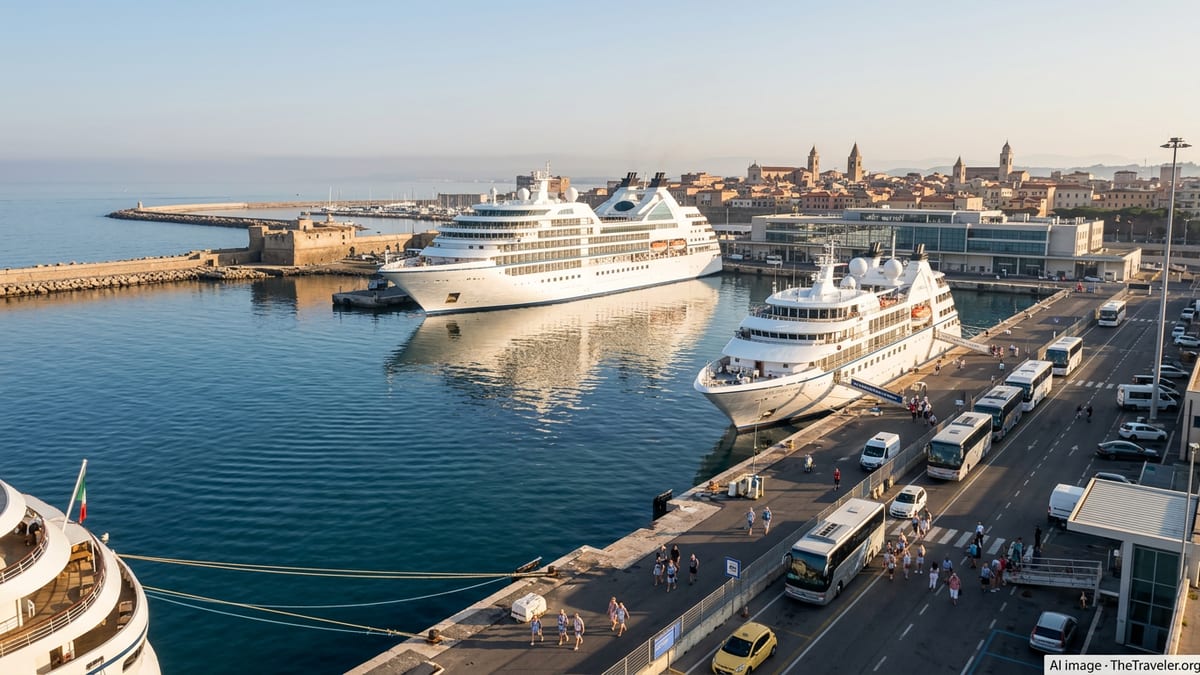
The port of Naples, long a key commercial and passenger gateway, has also seen rising cruise calls and ferry traffic. Industry monitoring shows that the city is now a frequent stop on central Mediterranean cruise itineraries, adding large spikes of day-trippers to the historic center, waterfront and nearby archaeological sites on peak days. The combination of airport, rail hub and cruise port status has effectively positioned Naples as a multimodal entry door to southern Italy.
Tourism-sector surveys highlight that hotel and short-stay occupancy in Campania, driven in part by Naples, climbed strongly through 2024, with average room occupation in the region well above the national mean. Hoteliers and travel businesses report that demand is increasingly spread across shoulder seasons such as March, April, October and November, reducing the traditional dependence on summer months but also stretching the city’s capacity for year-round management.
Local business groups and trade associations have pointed to the airport’s performance and the city’s growing role in cruise itineraries as key factors behind rising visitor spending. At the same time, urban planners note that sudden surges linked to the arrival of large ships or concentrated flight banks can intensify crowding in already narrow streets and heritage areas.
Economic Gains Collide With Overtourism Fears
The economic impact of the tourism surge is significant. Assessments prepared for regional and municipal planning processes suggest that tourism now represents a substantial share of Naples’ service economy, supporting thousands of jobs in accommodation, food service, transport and culture. Data cited by regional authorities indicate that Campania as a whole closes each year with more than 20 million tourist presences, with Naples as a leading contributor.
However, the city’s rapid rise as a global destination is also generating new tensions. Comparative studies on demographic and housing trends in Campania warn that unbalanced tourism growth in central Naples and surrounding hotspots can squeeze out residents, especially in historic districts where short-term rentals have multiplied. Analysts draw parallels with other Italian destinations where the expansion of vacation rentals and visitor-focused commerce has changed neighborhood life.
International coverage has increasingly included Naples in wider debates about overtourism in Italy, alongside cities such as Venice and Florence. Media reports highlight concerns about crowding in the historic center, congestion on streets leading to Castel dell’Ovo and the seafront, and pressure on public services during peak weekends and holiday periods. Local commentators have also raised questions about how to balance the hospitality industry’s needs with those of long-term residents.
Urban research commissioned for Naples’ planning strategies notes that tourism revenues are unevenly distributed, with some central areas saturated while peripheral neighborhoods remain mostly outside visitor circuits. This concentration heightens perceptions of crowding and can intensify disputes over noise, nightlife and the use of public space in a limited set of streets and piazzas.
New Concerns: Housing, Waste and Safety Perceptions
Alongside the economic uplift, Naples faces growing concern over the side effects of its tourism boom. Housing advocates and think tanks monitoring Italian cities argue that the expansion of short-term rental platforms has contributed to rising rents and reduced availability of long-term housing in historic districts. Mapping studies for Naples show especially dense clusters of tourist accommodation in the centro storico, Chiaia and along the waterfront, reinforcing fears of displacement.
Waste management and cleanliness are recurring themes in local debate. Published commentary notes that higher tourist numbers strain a collection system that has periodically struggled in the past. On busy weekends, observers report visible overflows of litter in some central districts, especially around nightlife zones and major viewpoints. Environmental groups have called attention to the volume of single-use plastics and the pressure that cruise and ferry traffic place on air quality and port infrastructure.
Perceptions of safety are another dimension of the city’s new visibility. Travel forums, guidebook updates and comparative crime-data analyses frequently address Naples’ reputation, with many recent discussions highlighting improvements compared with past decades but also advising basic precautions in crowded tourist areas. While official statistics show that crime indicators in the city are broadly in line with other large Italian urban centers, the sudden presence of large numbers of visitors unfamiliar with local conditions reinforces calls for better signage, lighting and public transport information.
Cultural heritage experts add that increased footfall inside churches, archaeological sites and historic lanes raises the risk of wear and tear. Conservation organizations have urged more active visitor management, from timed entries at sensitive sites to clearer pedestrian routes that spread people beyond a handful of heavily photographed streets.
City Mulls How to Manage Growth Sustainably
As the travel surge shows little sign of slowing, Naples is testing different approaches to manage visitor flows while protecting local life. Planning documents and strategy papers under discussion at municipal level emphasize the need to distribute tourism more evenly across the metropolitan area, promoting lesser-known districts, museums and coastal stretches to ease pressure on the core historic center.
Regional development reports suggest using transport planning to shape tourism patterns, including improved connections to suburban rail, new pedestrian routes and better integration between port, airport and local public transport. Proposals in circulation also call for investment in digital tools, such as real-time crowd information and coordinated event calendars, to prevent excessive concentration at specific times and locations.
Policy debates in Italy more broadly are likely to influence Naples, with national and regional authorities examining options ranging from tourist taxes and differentiated pricing to caps on new short-stay licenses in particularly saturated areas. Analysts note that other destinations, including several European port cities, have experimented with limits on cruise arrivals or stricter regulations on rentals, examples that are increasingly referenced in discussions about Naples’ future.
For now, the city stands both as a success story of Italy’s post-pandemic tourism rebound and as a case study in the challenges of rapid destination growth. How Naples responds in the coming seasons will shape not only visitor experiences but also the everyday lives of residents in one of Europe’s most historic and densely populated urban centers.