


More news on this day
The United Kingdom has issued a renewed security and health advisory for Saudi Arabia, a leading destination for Kenyan migrant workers, prompting fresh concern over how shifting travel guidance could affect thousands of East Africans employed in the Gulf state’s domestic, construction and service sectors.
Get the latest news straight to your inbox!
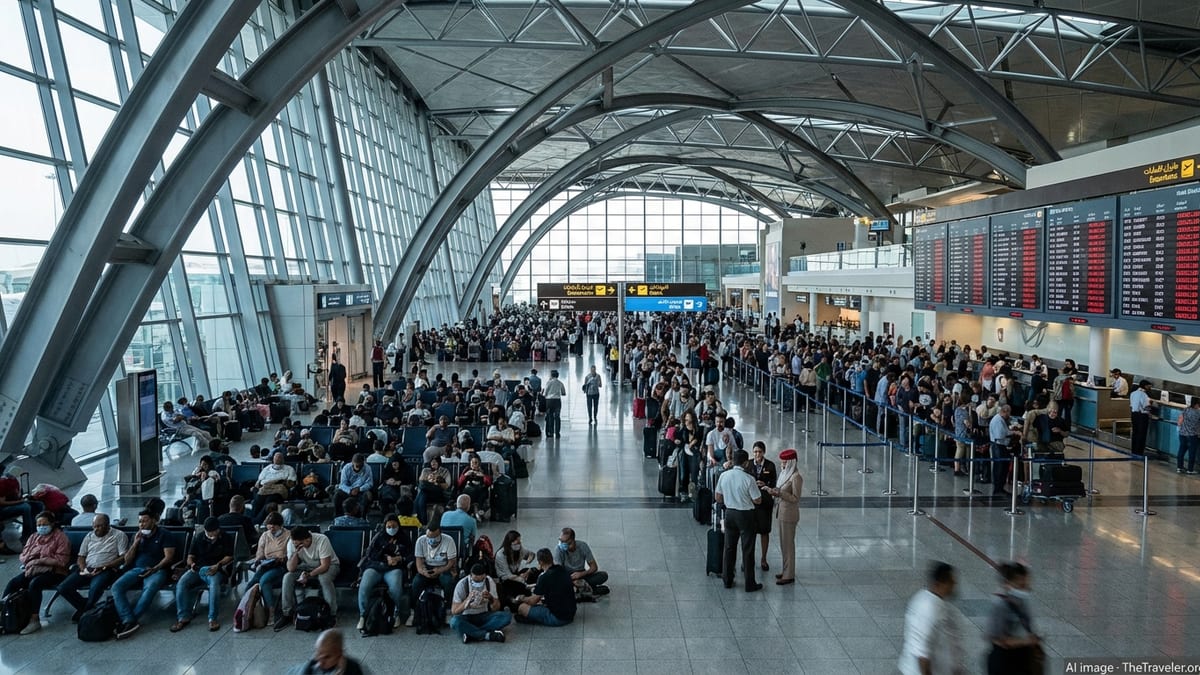
UK Advisory Highlights Security and Health Risks
The updated United Kingdom travel guidance on Saudi Arabia, published in recent days on official channels, underscores a combination of terrorism, regional tensions and public health risks. Publicly available information shows that British authorities continue to flag the threat of attacks on public places, transport hubs and sites popular with foreigners, while also drawing attention to changing regional dynamics linked to conflicts in the wider Middle East.
The revised advisory sits within a broader pattern of tighter scrutiny on destinations across the Gulf region following flare-ups in regional security and disease outbreaks. While the language falls short of a blanket prohibition on travel, it urges British nationals to review their plans carefully, monitor local developments and remain alert to the possibility of sudden changes in the security environment.
Health considerations are also increasingly prominent. Recent disease surveillance updates have focused on contagious outbreaks that can disrupt cross-border movement, limit access to medical care for expatriates and trigger rapid shifts in entry rules. Reports indicate that some airlines and recruiters have already begun reassessing their procedures for deploying staff to and from Gulf hubs as they track the evolving guidance.
Insurance implications are a key element of the advisory framework. Published coverage on recent UK notices for other high-risk areas shows that when an area is placed under a strong “do not travel” category, travellers may find that standard insurance policies do not cover trips taken against government advice, raising financial and legal questions for both employers and individual workers.
Saudi Arabia’s Role in Kenya’s Labour Migration
Saudi Arabia has become one of the most important overseas destinations for Kenyan workers, particularly women employed in domestic service and men working in construction, retail and hospitality. Kenyan government labour-market assessments and international migration reports consistently list the Gulf kingdom among the top countries hosting Kenyan migrants seeking higher wages and remittance opportunities.
Recruitment agencies in Nairobi, Mombasa and other urban centres advertise thousands of Saudi-bound positions every year, often targeting young people who face limited job prospects at home. Publicly available labour data and academic research suggest that remittances from Saudi Arabia and neighbouring Gulf states account for a significant share of the funds sent back to Kenya, helping families pay school fees, healthcare bills and housing costs.
The importance of the Saudi corridor was highlighted again in late October, when Kenyan media reported that more than 350 workers were forced to abandon travel plans after being denied entry under Ebola-related restrictions. According to local coverage, the travellers, many of them with job contracts in Saudi Arabia and Kuwait, had to return home while authorities in Nairobi opened urgent talks with Gulf counterparts on health protocols and documentation.
Saudi Arabia’s pull remains strong despite episodes of strain. Research on health workforce migration released by Kenyan institutions and international partners notes that the Gulf region sits alongside North America and Europe as a key magnet for trained and semi-skilled Kenyan personnel. For many, the higher take-home pay available in Riyadh, Jeddah or Dammam continues to outweigh the known challenges of working abroad.
Kenyan Workers Caught Between Opportunity and Risk
The latest UK advisory on Saudi Arabia does not directly regulate Kenyan citizens, but it adds to a growing stack of international warnings about conditions in major labour-importing states. For Kenyan workers, the message reinforces a familiar dilemma: the search for better incomes in markets that external observers increasingly describe as complex and, in some cases, high risk.
Reports by human rights groups and Kenyan newspapers have documented cases of labour abuse, unpaid wages and poor working conditions affecting some Kenyan domestic workers in Gulf states. At the same time, many migrants describe successful placements that transform household finances back home. The divergence in experience has pushed officials in Nairobi to tighten vetting of recruitment agencies and to pursue new bilateral labour agreements with Gulf partners.
In this context, any shift in a major Western country’s travel assessment can ripple through the migration chain. Recruiters who work with multinational companies or European-linked partners may respond to tougher advisories by reducing deployments, increasing screening, or requiring additional insurance. Publicly available information shows that similar patterns have emerged in past cases where the UK or other governments elevated risk levels for destinations with large expatriate communities.
For individual Kenyan workers, the advisory underlines the value of understanding contract terms, health insurance coverage and emergency support options before departure. Travel guidance from multiple governments now routinely highlights the need for migrants to register contact details, know the location of their consular representation and maintain access to funds in case of sudden job loss or evacuation.
Growing Scrutiny of Travel Corridors From Nairobi
The focus on Saudi Arabia comes as Kenya itself faces heightened scrutiny from foreign capitals. In October, the United States raised its Kenya travel advisory to “Level 3: Reconsider Travel,” citing health risks alongside crime, terrorism and road safety concerns. The change pushed Kenya closer to the highest advisory tier and signalled how quickly perceptions can shift when new health threats emerge.
European partners have been adjusting their own advice on Kenya in recent weeks. An updated United Kingdom notice on November 6 expanded restrictions on travel to parts of northern Kenya, including Moyale along the Ethiopian border, following reports of clashes and insecurity linked to unrest in Ethiopia. Travel advice from London already discouraged non-essential visits to several regions because of the threat of attacks by al-Shabaab and other armed actors.
These overlapping advisories illustrate the interconnected nature of Kenya’s position within global mobility networks. The country is both a source of workers heading to the Gulf and a destination assessed by other governments for tourism and business travel. When Kenya is classified as higher risk, outbound travellers may face additional screening upon arrival abroad, while inbound tourism and investment flows can weaken.
Analysts who study travel advisories note that the cumulative effect of such warnings can be substantial. Earlier academic work on Kenya’s tourism sector between 2000 and 2014 found that repeated advisories from key markets such as the United Kingdom, United States and Canada correlated with downturns in visitor numbers and airline routes. Similar patterns are now being watched in the labour-migration sphere as governments update risk assessments for both origin and destination countries.
What the Advisory Means for Future Gulf-bound Travel
For now, the United Kingdom’s renewed caution on Saudi Arabia serves primarily as a signal to travellers to stay alert and to reassess personal risk tolerance. The advisory does not prevent flights from operating or bar Kenyan workers from taking up contracts in the kingdom, but it contributes to a more tightly managed environment in which recruiters, airlines and insurers look closely at evolving guidance.
Kenyan recruitment agencies are expected to continue sending workers to Saudi Arabia, while monitoring any operational changes that might arise from stricter health checks, altered visa rules or new documentation requirements. Public statements from health authorities and international organisations in recent weeks have emphasised cooperation on disease surveillance, a factor that could influence how future restrictions are designed and lifted.
Prospective migrants weighing a move to the Gulf are likely to face a more extensive briefing process than in previous years, with additional emphasis on emergency contacts, consular support and insurance coverage when travel advisories become more pointed. As more countries refine their risk assessments, those heading abroad from Kenya may increasingly be asked to show that they understand not only the promise of overseas work, but also the changing landscape of security and health alerts affecting their chosen destination.