


More news on this day
Nepal is urging trekkers and mountaineers to halt or postpone Himalayan journeys as a powerful weather system linked to Cyclone Arnab is forecast to bring heavy rain, snowfall and heightened avalanche risk across the country’s high-altitude regions in the coming days.
Get the latest news straight to your inbox!
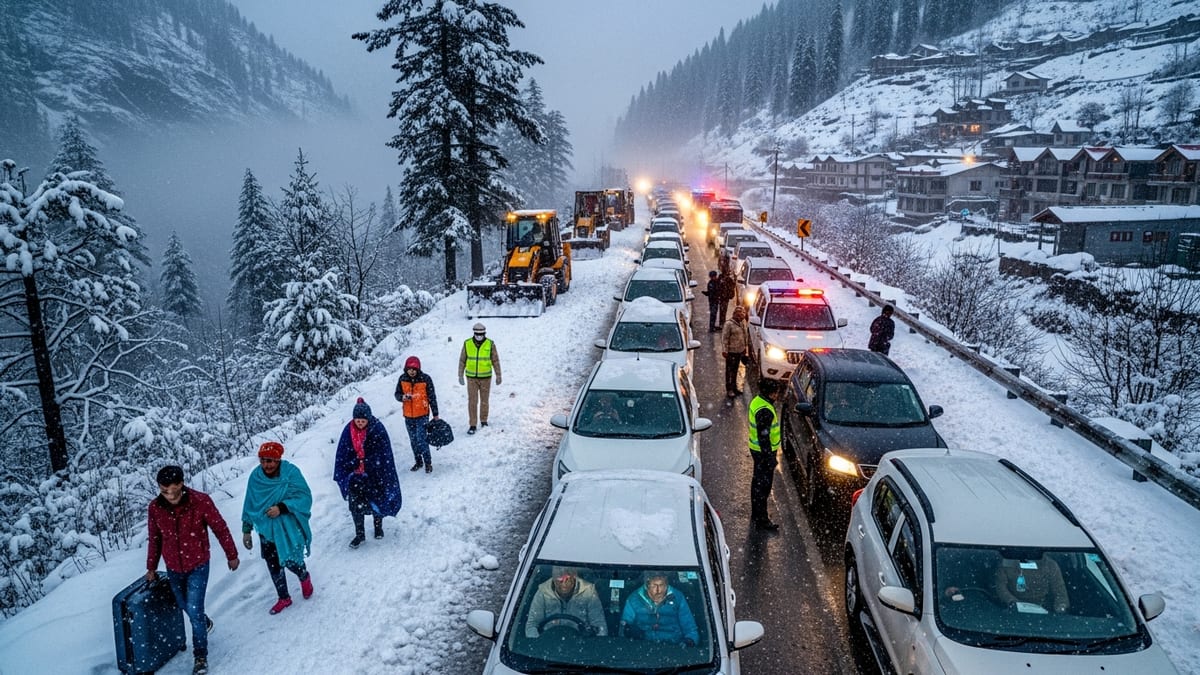
Storm system prompts rare nationwide trekking warning
Publicly available information from the Department of Tourism and the Department of Hydrology and Meteorology indicates that adverse conditions are expected between October 28 and November 1, with widespread rain across much of Nepal and snowstorms possible at higher elevations. Forecasts linked to Cyclone Arnab over the Bay of Bengal suggest that moisture from the system could intensify as it interacts with the Himalayan range, raising concerns for both trekkers and communities living along popular trails.
Reports indicate that the Department of Tourism has asked visitors to avoid high-altitude Himalayan regions during this window and to consider delaying nonessential mountaineering and trekking plans. The advisory highlights the potential for heavy snowfall, snowstorms and avalanches, particularly on exposed passes and ridgelines, where visibility can drop rapidly and trail markings may disappear under fresh snow.
Meteorological assessments shared in recent coverage note that persistent heavy rain may also destabilize slopes in mid-hill districts, increasing the likelihood of landslides, rockfall and river swelling. These hazards can sever road access to trailheads, disrupt rescue logistics and leave trekkers stranded in remote settlements even if the core trekking routes initially appear passable.
Restrictions on permits and route-specific alerts
According to recent reports from national media and tourism outlets, Nepal’s Department of Immigration has temporarily halted the issuance of new trekking permits for restricted high-hill and Himalayan areas from October 29 to 31. The measure applies to selected controlled regions that typically require special authorization, such as certain border-adjacent valleys and isolated mountain corridors, where evacuation options are limited and communication infrastructure is sparse.
Separate notices summarized in local coverage show that authorities in Mustang district, a key gateway on sections of the Annapurna Circuit and other trans-Himalayan routes, have urged a three-day halt to high-altitude travel from October 29 to 31. Warnings mention the risk of heavy snowfall, avalanches and road blockages along corridors leading towards the Korala border and other exposed sections, where previous storms have triggered transport disruptions.
Tourism-focused publications also describe internal advisories telling trekking agencies to keep groups at safe lower elevations and to avoid committing to high passes until the current warning window has passed and conditions can be re-evaluated. For travelers already on restricted-area permits, publicly available information suggests that the emphasis is on remaining in established settlements with road or air access rather than advancing deeper into remote terrain.
Heavy rain, snow and avalanche risks for popular trekking regions
Forecast summaries indicate that lower and mid-hill regions could see periods of intense rainfall, while upper Himalayan zones face the prospect of fresh snow and blizzard conditions. On well-known routes such as the Annapurna Circuit, Everest region approaches and Mustang’s high plateaus, this combination can quickly transform the landscape, obscuring trails, loading avalanche-prone slopes and complicating river and glacier crossings.
Travel advisories issued in similar weather events earlier this season have underscored how repeated downpours saturate already fragile slopes, making landslides more likely on roads that connect cities like Kathmandu and Pokhara to trailheads. Published accounts from those events describe highway closures, temporary suspension of flights to mountain airstrips and trekkers needing to wait several days for safe passage, illustrating the knock-on effects that current warnings aim to avoid.
In the high mountains, snow and wind can produce dangerous wind chill and whiteout conditions, especially above 4,000 to 5,000 meters where many popular trekking passes lie. Avalanche risk typically rises on steep lee slopes after rapid loading from heavy snowfall, and publicly available guidance repeatedly stresses that such hazards may not be obvious to visitors unfamiliar with local terrain. Authorities are therefore promoting a conservative approach, emphasizing that turning back or pausing for several days is preferable to attempting to “push through” deteriorating weather.
Impact on autumn tourism and practical advice for travelers
The warnings coincide with the heart of Nepal’s autumn trekking season, a period that normally offers some of the most stable weather and clear mountain views of the year. Recent reporting notes that the advisory comes on the heels of earlier September and October disruptions related to heavy rain and flooding, which already forced temporary suspensions on some routes and contributed to a cautious mood within the trekking industry.
Trekkers currently in Nepal are being encouraged, through public advisories and travel forums, to review their itineraries against the latest district-level notices and meteorological bulletins. Information made public by trekking specialists suggests that flexible schedules, additional contingency days and a willingness to adjust route plans are essential under the present conditions. Travelers are also being urged to check whether domestic flights to trailheads, such as those serving Pokhara or airstrips in Himalayan districts, are operating normally before departing Kathmandu.
Those yet to depart for Nepal are advised in recent coverage to stay in close contact with their trekking agencies or tour operators and to monitor fresh updates as the impact of Cyclone Arnab on the Himalaya becomes clearer over the coming days. While many routes may reopen quickly once the system passes and conditions stabilize, the present call to halt or postpone Himalayan trekking reflects an effort to avoid repeating past storm-related tragedies in the region.
Short-term caution framed as long-term safety investment
Analysts writing on Nepal’s mountain safety record often point to previous storms in the Annapurna and Manang regions as examples of how fast-changing weather, limited communication and crowded peak-season trails can combine with deadly consequences. Against that backdrop, the current appeals for trekkers to pause travel are being framed in local reporting as part of a broader shift toward more proactive risk management in the country’s highlands.
Tourism commentators note that the short-term economic cost of cancelled or delayed treks is significant for guides, porters, lodges and transport operators who depend heavily on the autumn season. However, they also emphasize that clear, early guidance on when to avoid the mountains may help protect both visitors and livelihoods by reducing the chance of large-scale emergencies that could damage Nepal’s reputation as a trekking destination.
As the storm system linked to Cyclone Arnab continues to evolve, the situation for trekkers in Nepal remains fluid. Publicly available updates from government departments, local administrations and mountain-weather specialists are expected to guide decisions on when normal trekking activity can safely resume, underscoring the importance for travelers of relying on verified information and remaining ready to change plans at short notice.