


More news on this day
The UK Foreign, Commonwealth & Development Office (FCDO) has renewed and expanded its travel advice for the Middle East, warning that the regional context remains deeply unpredictable and that British travellers face an elevated risk of sudden escalation, airspace closures and disruption across multiple destinations.
Get the latest news straight to your inbox!
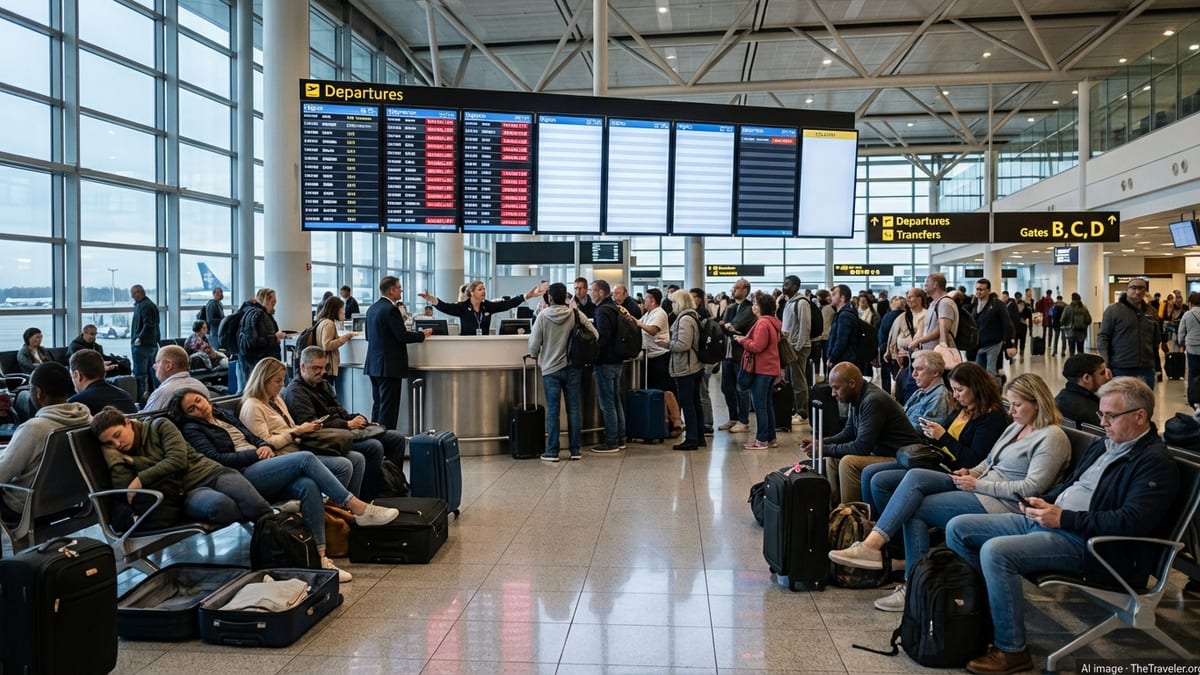
Fresh guidance covers 16 countries across and around the region
Updated Foreign Office guidance issued on 28 October 2026 extends heightened travel warnings to 16 countries in and around the Middle East, reflecting what publicly available information describes as increased regional tensions and the risk of further military activity.
The list now includes Turkey, the United Arab Emirates, Egypt, Oman, Qatar, Bahrain, Jordan, Saudi Arabia, Kuwait and Pakistan, alongside Israel, the Palestinian territories, Iran, Iraq, Syria and Yemen. The wording that the context in the Middle East remains deeply unpredictable and the risk of sudden escalation is high has been incorporated into multiple country pages on the official foreign travel advice service.
The renewed guidance notes that since conflict intensified in early 2026, Iran has publicly indicated an intention to target locations associated with the United States and Israel, including organisations, businesses, facilities and institutions. Publicly available government advice records that there have already been strikes and retaliatory attacks across the region affecting civilian and US military infrastructure.
Travel trade publications report that the Foreign Office move is viewed within the industry as a signal of wider concern about airspace stability, transit hubs and the possibility that apparently peripheral destinations can be affected with little warning.
Heightened warnings for Iran, Syria, Israel and neighbouring states
The strongest cautions continue to apply to countries already under long standing restrictions. Official travel advice pages for Iran and Syria currently advise against all travel, citing highly unpredictable security conditions and the risk of further attacks or unrest. Similar language about regional tensions is now embedded within those advisories, underscoring that events elsewhere in the Middle East can rapidly alter the level of risk.
For Israel and the Palestinian territories, publicly accessible UK government information highlights the combination of existing conflict dynamics with the wider regional picture. References to Iran’s statements about targeting locations linked with the US and Israel are repeated, alongside warnings that retaliatory strikes in multiple countries have already taken place.
Neighbouring states that many travellers use as gateways are also affected. Pages for Oman, Jordan and Gulf hubs such as Qatar and Bahrain now reiterate that the regional context is deeply unpredictable and that escalation can be sudden. This marks a tightening of language compared with earlier, more localised security notes.
In Lebanon and parts of Iraq, separate UK travel advisories have for some time warned against all or all but essential travel. Those notices now sit within a wider framework that treats the entire Middle East as a zone where developments in one country can quickly influence risks in another, including to air routes and critical infrastructure.
Saudi Arabia and Gulf hubs face security and disruption concerns
Saudi Arabia, a key aviation and religious travel destination, has seen its country specific advice updated in recent days. Publicly available guidance notes that since mid July 2026, Houthi forces based in Yemen have launched missiles and drones towards several locations in Saudi Arabia, including major cities such as Riyadh, Jeddah and Dammam as well as Red Sea ports.
The guidance states that there is a heightened threat to airports, military and defence facilities, ports and energy infrastructure across the kingdom, and that further attacks and flight disruption are very likely. Travellers are advised that the airport in Abha has repeatedly been targeted and remains at risk of further incidents and temporary closures.
Because of these risks, British nationals wishing to leave Saudi Arabia are encouraged through the official advisory to consider overland routes to neighbouring states where feasible, checking separate travel advice and entry rules for those countries before travelling. The Foreign Office notes that travel insurance may be invalidated if travellers enter or remain in areas that are subject to an advice against travel.
Other Gulf hubs such as the UAE, Qatar and Bahrain are not currently subject to advice against all travel, but the renewed regional language warns that airspace closures, delays and cancellations are possible at short notice. Airlines have already adjusted schedules in response to previous rounds of missile activity and changing air traffic control restrictions in the wider region.
Practical implications for UK holidaymakers and business travellers
For leisure and business travellers from the UK, the most immediate impact of the renewed guidance is the need to treat the entire Middle East as a region where plans can be disrupted quickly and without much advance notice, even in destinations that appear calm on the ground.
Publicly available Foreign Office advice now urges British nationals in or transiting through the region to monitor local and international media closely, sign up for email alerts from the FCDO travel advice service and keep departure plans under constant review. Guidance on crisis preparation, including maintaining up to date travel documents and having an emergency plan that does not rely solely on government assistance, is highlighted across several country pages.
The updated wording also has potential consequences for travel insurance. UK government information reiterates that policies can be invalidated if travellers ignore official advice against all travel or against all but essential travel. Travellers are therefore encouraged to check both the latest foreign travel advice and their insurance terms before departure, particularly if itineraries include destinations such as Iran, Syria, Yemen or areas of high risk in other states.
Industry reporting indicates that some tour operators and corporate travel managers have started to reroute itineraries away from higher risk air corridors and to build greater flexibility into bookings. However, the Foreign Office language that the risk of sudden escalation is high means that even revised itineraries cannot fully remove the possibility of abrupt schedule changes.
How travellers can respond to an increasingly volatile landscape
Against this backdrop, official material stresses personal preparedness. Travellers are advised to consider how they would respond if flights were cancelled, borders closed or communications networks disrupted for an extended period. Government guidance on crisis situations suggests practical steps such as securing access to funds, keeping essential medicines and copies of key documents separate from originals and identifying potential safe locations in advance.
Country pages for Iran, Israel, Saudi Arabia and others also explain what to do if instructed to shelter in place. Recommendations include staying indoors, choosing an interior room with as few external walls or windows as possible and avoiding any drone or missile fragments or unexploded objects if they are encountered after an incident.
For those who still plan essential trips to the Middle East, the renewed Foreign Office messaging points towards a more dynamic style of travel planning, where itineraries, accommodation and transport are reviewed frequently in line with the latest public information. Travellers are encouraged to maintain regular contact with family or colleagues, register for government alert services where available and be ready to adjust plans at short notice.
While many flights and holidays to popular transit hubs and resort areas in the region continue to operate, the overarching message of the latest guidance is that conditions remain volatile, interconnected and subject to change. For British nationals considering travel, careful preparation and close attention to evolving official advice are now central elements of planning any journey that touches the Middle East.