


More news on this day
Across Europe and North America, new rail operators eager to launch services are finding that access to tracks is only half the battle, with the struggle to secure modern rolling stock increasingly determining which projects move from paper to the platform.
Get the latest news straight to your inbox!
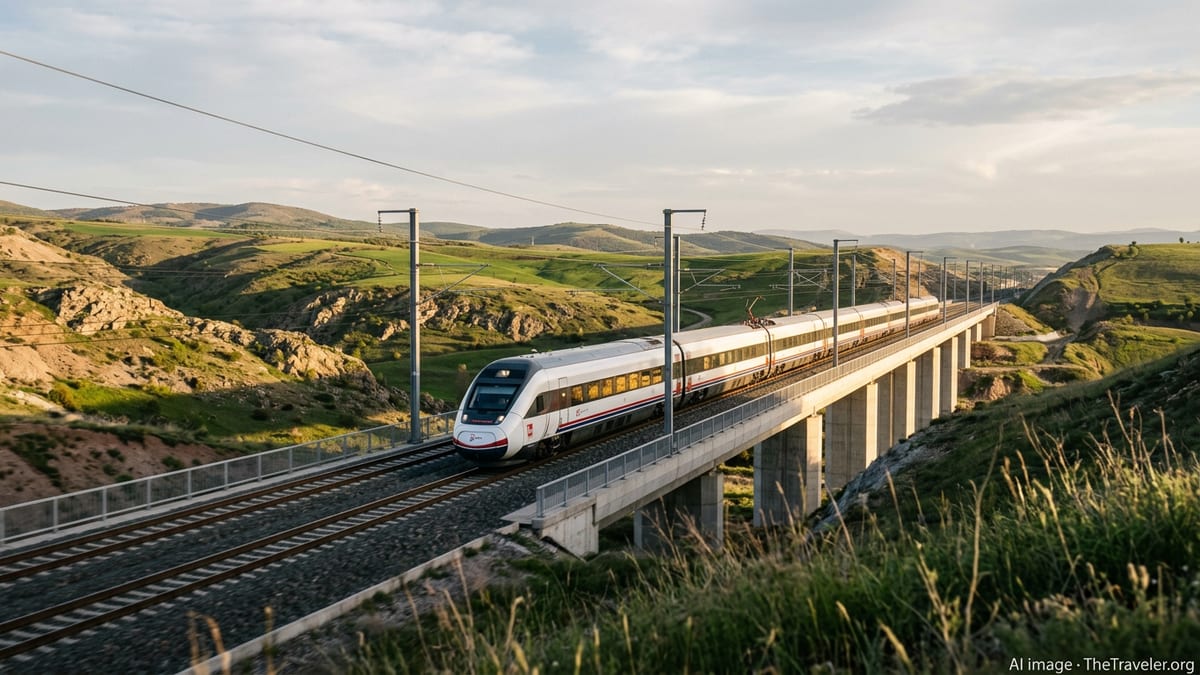
Open-access growth collides with constrained supply
The liberalisation of passenger rail in Europe and the emergence of privately backed projects in the United States have encouraged a wave of new and open-access operators. These companies can often obtain train paths on existing infrastructure, but publicly available information shows that sourcing trains themselves has become one of the biggest bottlenecks.
Reports from the European Commission in late 2025 highlighted that new entrants in particular face difficulties in securing financing for new rolling stock, even as policymakers call for more comfortable and attractive trains to shift passengers from road and air. Industry submissions cited in the same documents pointed to rolling stock availability and certification as critical barriers for competition on key corridors.
Technical and regulatory requirements add another layer of complexity. The European Union Agency for Railways has noted that interoperability rules and safety authorisations, while designed to create a single rail area, require multiple approvals for trains operating across borders. For start-up operators without large engineering teams, navigating these processes can be slow and expensive, further delaying access to fleets.
As a result, the pace of open-access expansion is increasingly linked not just to track capacity or demand forecasts, but to whether manufacturers and leasing firms can supply compliant trains within realistic timelines.
Manufacturing delays and crowded order books
Large incumbent operators have also felt the strain of global supply chains, underscoring the challenges facing smaller newcomers. In Denmark, the state operator DSB has reported repeated delays to its major electric multiple-unit order from Alstom, citing extended design work and continuing pressure on component supply. The fleet, part of a multibillion-euro modernisation programme, is now expected to enter service later than originally planned.
French rail group SNCF has similarly described the acquisition of new rolling stock as one of the main difficulties in expanding passenger services, noting that very large national orders have stretched manufacturers’ capacity and slowed deliveries. These experiences from major buyers suggest that newer, smaller operators ranking lower in manufacturers’ order books may face even longer waits.
Manufacturers are responding with new models and standardised platforms, but building and testing high-complexity trains remains a multi-year process. Even when designs are locked, the need to adapt production to evolving environmental and digital standards can push back schedules. For operators planning new open-access routes, such delays can upend business plans and defer revenue for years.
The crowding of order books is particularly acute for high-speed and multi-system trains capable of operating across several countries. Established fleets are often reserved for incumbent contract renewals, leaving limited space for speculative or small-batch orders that new entrants might seek.
Leasing markets evolve but do not close the gap
Rolling stock leasing was once seen as the natural solution to help newcomers overcome large upfront capital costs. In practice, the picture has become more nuanced, with leasing markets expanding yet still struggling to match the specific needs of many start-ups.
In early 2024, industry coverage highlighted a new Siemens-backed company, Smart Train Lease, designed to offer standardised Mireo Smart regional trains on short-term leases across multiple European countries. The model aims to give operators faster access to modern units while bundling varying levels of maintenance support. However, such offerings remain limited in scope and must still navigate a patchwork of national approvals.
Freight and passenger leasing platforms themselves are scaling up. Northrail, working with investment firm RIVE Private Investment, has secured hundreds of millions of euros to finance new locomotives for European operators, with deliveries staggered between 2025 and 2028. Other lessors, such as Nexrail, have been expanding hybrid locomotive fleets and leasing them to small and medium-sized railways after securing key certifications.
Yet evidence from regulatory monitoring in Britain and elsewhere suggests that some rolling stock companies remain cautious about financing unproven open-access passenger ventures, particularly on routes where demand and revenue are uncertain. For aspiring operators, this can mean higher lease costs, limited availability of suitable trains, or requirements for strong long-term guarantees that young firms struggle to provide.
Financing and regulation challenge new business models
The financial structure of rolling stock has become a decisive factor in whether new operators can enter the market. International labour and transport analyses published in 2024 and 2025 estimate that trains can account for between one-fifth and nearly one-third of total rail project costs, creating a heavy capital burden before a single ticket is sold.
Publicly available policy papers point to public-private partnerships and targeted guarantees as potential tools to bridge this gap, allowing private operators to access cheaper finance while governments retain an interest in long-lived assets such as trains. However, designing such schemes without distorting competition or locking in outdated technology remains a challenge for regulators.
In the United States, proposals discussed in early 2026 for restructuring Amtrak into separate subsidiaries for operations, infrastructure and rolling stock management reflect a growing recognition that fleet procurement and financing require dedicated expertise. Advocates of similar models in Europe argue that centralising rolling stock management could give new operators access to shared fleets, rather than requiring each entrant to finance trains alone.
At the same time, stricter safety and crashworthiness rules in markets like North America raise unit costs and limit the pool of globally available designs. Analysts note that American passenger equipment often needs to withstand much higher buff strength than European trains, complicating direct transfers or leases and narrowing options for private projects seeking off-the-shelf solutions.
High-speed start-ups illustrate global pressures
High-profile high-speed rail ventures offer a clear illustration of how rolling stock procurement can shape timelines and risks. In the western United States, the Brightline West project linking Las Vegas and Southern California has been negotiating with major suppliers for years before settling on a high-speed train platform expected to be assembled at a new Siemens facility in New York State.
The decision to build an American assembly hub reflects both industrial policy goals and the practical need to adapt global train designs to United States regulatory standards. While the move is expected to create a domestic supply chain for high-speed trainsets, it also extends the timeframe between contract award, testing and entry into commercial service.
Elsewhere, new open-access high-speed services planned in Europe have had to work around similar procurement uncertainties. Competition on key corridors often depends on securing a limited number of interoperable trainsets that can match or exceed the speed and comfort of incumbent fleets. When deliveries slip, regulators and infrastructure managers can be left with approved paths that cannot yet be used.
Together, these cases suggest that as governments encourage more operators and more trains, the ability of the rolling stock supply chain to deliver on time and at scale will be central to whether rail can meet climate and capacity ambitions over the next decade.