


More news on this day
A new wave of cancellations affecting flights between Dublin and major hubs in Europe and the United States has disrupted services operated by SAS, KLM, Delta Air Lines, American Airlines and other carriers, triggering a cascade of delays and missed connections for passengers traveling on routes linking the Irish capital with Oslo, Amsterdam, Boston, Dallas and Paris.
Get the latest news straight to your inbox!
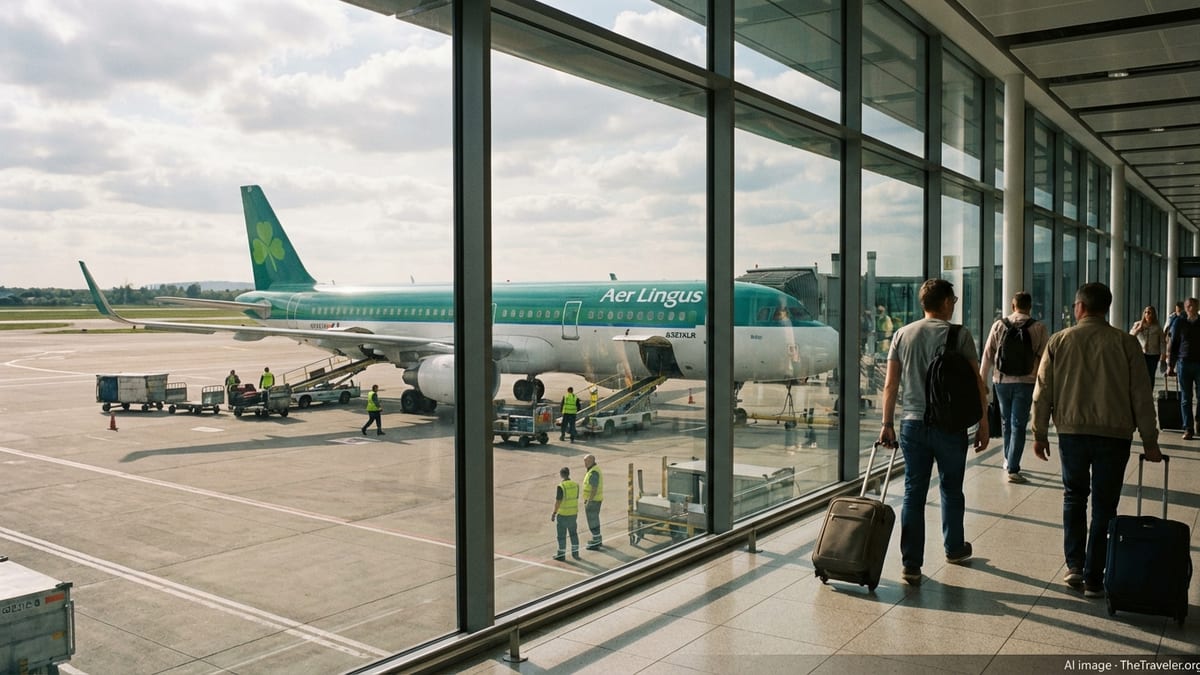
Cluster of Cancellations Hits Key Dublin Routes
Reports from flight-tracking services and schedule data for the June 20 to June 21 travel window indicate that at least five departures and arrivals on core Dublin links were withdrawn at short notice, including services serving Oslo, Amsterdam, Boston, Dallas and Paris. The cancellations affected a mix of point-to-point and long haul feeder traffic, amplifying the impact across airline networks.
The disruption comes at the height of the summer build up, when carriers such as SAS, KLM, Delta and American Airlines rely heavily on Dublin as a connector between Nordic cities, continental Europe and transatlantic destinations. Published timetables show that Dublin is scheduled to maintain multiple daily links to Amsterdam and Paris, as well as nonstop flights to US gateways including Boston and Dallas, meaning even a small cluster of cancellations can have outsized effects on passenger flows.
Although the precise causes of each individual cancellation vary, publicly available operational notices point to a mix of aircraft rotation challenges, tight scheduling around major hubs, and knock-on effects from earlier delays on European routes. In some cases, flights were removed from the day-of-operations plan and no substitute service was offered, leaving travelers dependent on same-day rebooking or overnight accommodation.
The situation has underlined how sensitive peak-season schedules are to a handful of cancellations on trunk routes. With aircraft and crews already heavily committed, airlines have limited slack to absorb disruption, particularly where connections are required onward to North America or Scandinavia.
Impact on Oslo and Amsterdam Connectivity
On the Nordic side, connections between Dublin and Oslo have proved especially vulnerable. Dublin and Oslo are both served by a combination of flag carriers and low-cost operators, and published route maps show that the link feeds passengers in both directions into wider networks spanning Scandinavia and Western Europe. A cancellation on this corridor can break carefully timed itineraries that rely on onward services to regional Norwegian airports and other European destinations.
Amsterdam has also emerged as a pressure point. KLM and its partners use Amsterdam as a global transfer hub serving both European cities and long haul markets, including the United States. Removing even a single Dublin departure can strand passengers booked on tight connections onward to North America, Africa or Asia, while a lost inbound flight erodes the feed of passengers traveling into Ireland.
Flight-status platforms tracking services between Dublin and Amsterdam over the weekend showed multiple schedule adjustments, including flights that were listed as not operating on the day despite being part of the regular summer pattern. For travelers, this translated into last minute gate screens turning from scheduled to cancelled, followed by queues at transfer and service desks as passengers sought rerouting options.
The challenges in maintaining stable connectivity to Amsterdam also reverberate through partner airlines that share passengers and codes on these routes. When Dublin-originating traffic fails to reach Amsterdam on time, knock-on effects can surface on transatlantic departures operated by joint business partners, forcing further delays or missed revenue opportunities.
Transatlantic Disruption on Boston and Dallas Routes
Cancellations touching services to Boston and Dallas have highlighted how quickly disruption at Dublin can spill across the Atlantic. Dublin is marketed by several carriers as a convenient pre-clearance gateway for US-bound travelers, and its links to major hubs such as Boston and Dallas are integral to that proposition.
Published summer schedules show regular nonstop flights from Dublin to Boston and Dallas under American and partner airline banners. When one of these flights is withdrawn close to departure, passengers may be pushed onto alternative routings via London, continental Europe or even different US entry points, often involving longer travel times and increased congestion at already busy hubs.
Travel industry reports over the past 48 hours describe instances of Boston-bound passengers from Dublin being rebooked via other European gateways after their original itineraries were disrupted, while Dallas-linked itineraries have in some cases been fragmented into multi-stop journeys. These reroutings can also displace travelers who held confirmed bookings on the alternate flights, compounding the sense of system-wide strain.
For airlines, unplanned cancellations on transatlantic services carry both operational and financial costs. Reaccommodating passengers, providing care and assistance, and managing aircraft repositioning to restore schedules all add complexity at a time when fleets are heavily committed to high-demand summer routes.
Paris Services and Wider European Knock-On Effects
Paris, another key hub in the transatlantic and European network, has also felt the consequences of the Dublin disruption. Services between Dublin and Paris are used both by point-to-point leisure and business travelers and by passengers connecting onward to long haul flights, including those to Africa, the Middle East and the Americas.
When Dublin departures to Paris are cancelled or subject to significant delay, affected passengers can lose onward connections, forcing them to overnight in hub cities or accept longer rerouted journeys. Airline schedule documents and route maps underscore how Paris, like Amsterdam, functions as a central interchange, so small changes at the spoke level can ripple outward in unexpected ways.
The cancellations have coincided with a period of heightened sensitivity around European aviation reliability, with recent guidance from passenger-rights advocates stressing the importance of understanding entitlements when flights are disrupted. Under EU air passenger regulations, eligible travelers on flights departing from Dublin generally have rights to assistance, rerouting and, in defined circumstances, financial compensation when cancellations occur at short notice and are not caused by extraordinary factors.
Advisory services have been urging passengers affected by the Dublin disruptions to retain documentation such as boarding passes and written confirmation of the reason for cancellation, as this can be critical when submitting claims. At the same time, consumer groups caution that claims processes can be lengthy and that outcomes may depend on the specific circumstances of each flight.
What Passengers Are Experiencing on the Ground
For travelers passing through Dublin during this latest wave of cancellations, the operational nuances translate into very tangible challenges. Social media posts and traveler accounts shared with consumer platforms describe early-morning notifications of cancelled flights, crowded customer-service queues, and uncertainty over whether alternative options would allow trips to proceed as planned.
Some passengers connecting through Dublin from regional airports reported that their onward legs to cities such as Oslo, Amsterdam or Paris were removed from the schedule while their feeder flights operated as normal, leaving them stranded in Dublin pending reassignment. Others flying long haul toward Boston or Dallas described receiving revised itineraries involving extended layovers or additional stops, eroding the time-saving advantages that a direct or single-connection routing normally provides.
Travel experts commenting in published coverage recommend that passengers transiting Dublin in the coming days monitor flight status closely, check in as early as possible online, and consider building extra buffer time into itineraries that rely on tight connections through major hubs. They also suggest that travelers familiarize themselves in advance with airlines’ rebooking policies and digital tools, which can sometimes offer rerouting options more quickly than airport counters during peak disruption.
While the current cluster of cancellations is limited in scale compared with the mass disruptions seen at the height of previous aviation crises, the experience at Dublin illustrates how even a handful of cancelled services on strategically important routes can reverberate widely, affecting schedules and travel plans across Europe and the United States.