


More news on this day
A norovirus outbreak aboard the Ruby Princess cruise ship has sickened more than 120 passengers and crew members during a 20 day Alaska and Canada itinerary, prompting extensive cleaning operations after the vessel’s return to San Francisco on July 2.
Get the latest news straight to your inbox!
Illness Spreads During 20 Day Alaska and Canada Itinerary
Publicly available information from the U.S. Centers for Disease Control and Prevention indicates that 102 passengers and 23 crew members reported gastrointestinal illness consistent with norovirus while sailing on the Ruby Princess. The 20 day round trip departed San Francisco on June 12, visiting ports in Alaska and Canada before returning as scheduled to the city’s waterfront.
Reports indicate that not everyone was sick at the same time, and some cases had resolved before the ship called at later ports. Nonetheless, the cumulative case count placed the outbreak above the CDC’s reporting threshold, triggering formal tracking under the agency’s Vessel Sanitation Program, which monitors illness on large cruise ships serving U.S. ports.
According to published coverage, there were just over 3,000 guests and more than 1,100 crew members on board, meaning roughly 3 to 4 percent of everyone on the ship experienced symptoms over the course of the voyage. The outbreak is one of the most significant cruise related norovirus events reported in U.S. waters so far this year.
Media reports describe the voyage as otherwise operating on its planned schedule, with the ship completing calls in Alaska and British Columbia before returning to San Francisco on the morning of July 2, where it docked for disinfection and turnaround.
Enhanced Cleaning in San Francisco Before Next Sailing
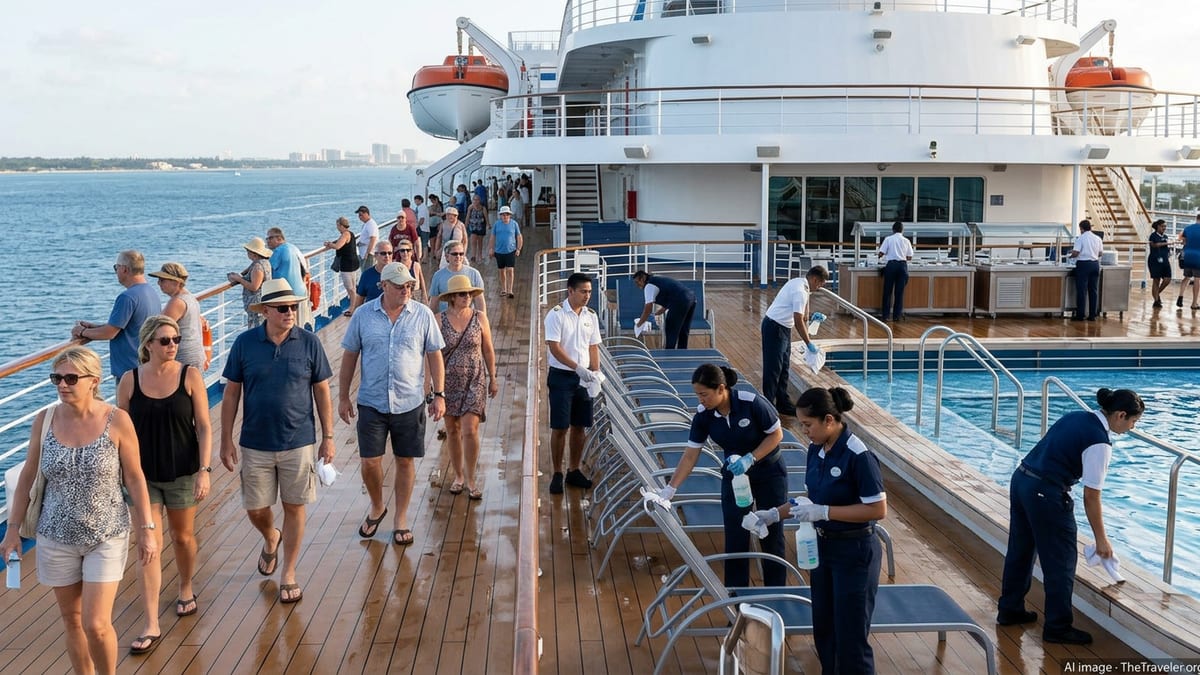
On arrival in San Francisco, the Ruby Princess was taken out of service for several hours while crew and shoreside teams carried out what the company has described in public statements as enhanced sanitation measures. Travel industry outlets note that the vessel remained alongside while crew undertook intensive cleaning of cabins, public restrooms, dining venues, and high touch surfaces throughout the ship.
Reports indicate that the operator plans to continue routine itineraries following the disinfection effort, with the ship scheduled to depart again after the cleaning window. Similar responses have been used on other cruise ships experiencing gastrointestinal outbreaks, aiming to break chains of transmission before new passengers embark.
Information shared through cruise industry monitoring sites suggests that cleaning protocols in such situations often include the use of specialized disinfectants targeting norovirus, removal and laundering of soft furnishings where necessary, and reminders to guests about handwashing and reporting symptoms promptly to onboard medical staff.
Port documentation for San Francisco shows the Ruby Princess scheduled for multiple Alaska departures this season, meaning local authorities and the operator are likely to remain focused on infection control in the weeks ahead as passenger volumes remain high during peak summer cruising.
Norovirus Risks at Sea and How It Spreads
Norovirus is a highly contagious virus that commonly causes sudden onset vomiting, diarrhea, stomach cramps, and general malaise. Public health guidance characterizes the illness as typically short lived, often lasting one to three days, but potentially more serious for young children, older adults, and people with underlying medical conditions.
Health agencies describe cruise ships as environments where norovirus can spread quickly, given close living quarters, shared dining spaces, and frequent contact with common surfaces such as railings, elevator buttons, and buffet utensils. The virus can persist on surfaces for days and is resistant to some standard cleaning products, which is why outbreaks sometimes continue for several days even after initial control measures are introduced.
Published health advisories emphasize that most outbreaks begin when a person already infected with norovirus boards a ship or enters another group setting, after which the virus spreads through person to person contact, contaminated food or water, or touching contaminated surfaces and then one’s mouth. Cruise outbreaks, while highly visible, represent only a small fraction of total norovirus cases in the broader community each year.
For travelers, routine steps such as frequent handwashing with soap and water, especially before eating and after using the restroom, avoiding touching the face, and promptly reporting any gastrointestinal symptoms can meaningfully reduce the risk of spread on board.
Third Princess Cruises Outbreak Reported in 2026
The Ruby Princess incident arrives in the context of a busier than usual year for gastrointestinal illness reports across the cruise industry. According to summaries of CDC data in recent media coverage, at least seven shipboard outbreaks have met the U.S. reporting threshold so far in 2026, most attributed to norovirus.
Several outlets note that this is the third reported norovirus outbreak linked to Princess Cruises vessels this year, following earlier events on other ships in the fleet. Travel analysts have pointed out that such clusters can occur when cruise lines operate multiple large ships on similar itineraries during peak seasons, although they also highlight the high level of surveillance applied to the industry compared with many land based settings.
The Ruby Princess itself has been the subject of public scrutiny in the past, including earlier health related incidents widely covered during the COVID-19 pandemic and a separate norovirus history reported in prior seasons. These previous events have led to ongoing interest in how the ship manages health protocols and communicates with guests.
Despite the heightened attention, industry observers caution that norovirus remains a common community infection, and cruise ships continue to represent a small share of overall reported cases. However, the concentration of people in a confined setting means even a modest number of infections can significantly affect the onboard experience and attract global media coverage.
What This Means for Upcoming Alaska and Canada Sailings
With peak Alaska cruise season underway, the outbreak on the Ruby Princess is drawing interest from travelers booked on upcoming voyages from San Francisco and other West Coast ports. Consumer travel sites and forums show a mix of concern and practical advice, with many experienced cruisers emphasizing personal hygiene and awareness rather than canceling trips outright.
Published commentary from travel medicine specialists underscores that prospective passengers should review cruise line health policies, including requirements to report illness before boarding, onboard medical support, and options for rebooking if they feel unwell prior to departure. Many cruise operators now offer some flexibility for guests who experience symptoms before sailing, in an effort to reduce the risk of bringing infections on board.
For those still planning Alaska and Canada cruises, experts commonly recommend packing hand sanitizer to supplement, but not replace, regular handwashing, being cautious around self service buffet areas, and considering travel insurance that covers medical care and trip disruptions related to illness. While norovirus cannot be fully eliminated, informed behavior can reduce individual risk and help limit outbreaks when they occur.
As the Ruby Princess prepares to sail again from San Francisco following its intensive cleaning, the incident serves as a timely reminder of both the enduring appeal of Alaska itineraries and the ongoing importance of health precautions in crowded travel environments.