


More news on this day
As flight disruptions, schedule changes and complex itineraries continue to challenge passengers in 2026, travelers are looking for the quickest path through KLM Royal Dutch Airlines’ expanding maze of customer support channels.
Get the latest news straight to your inbox!
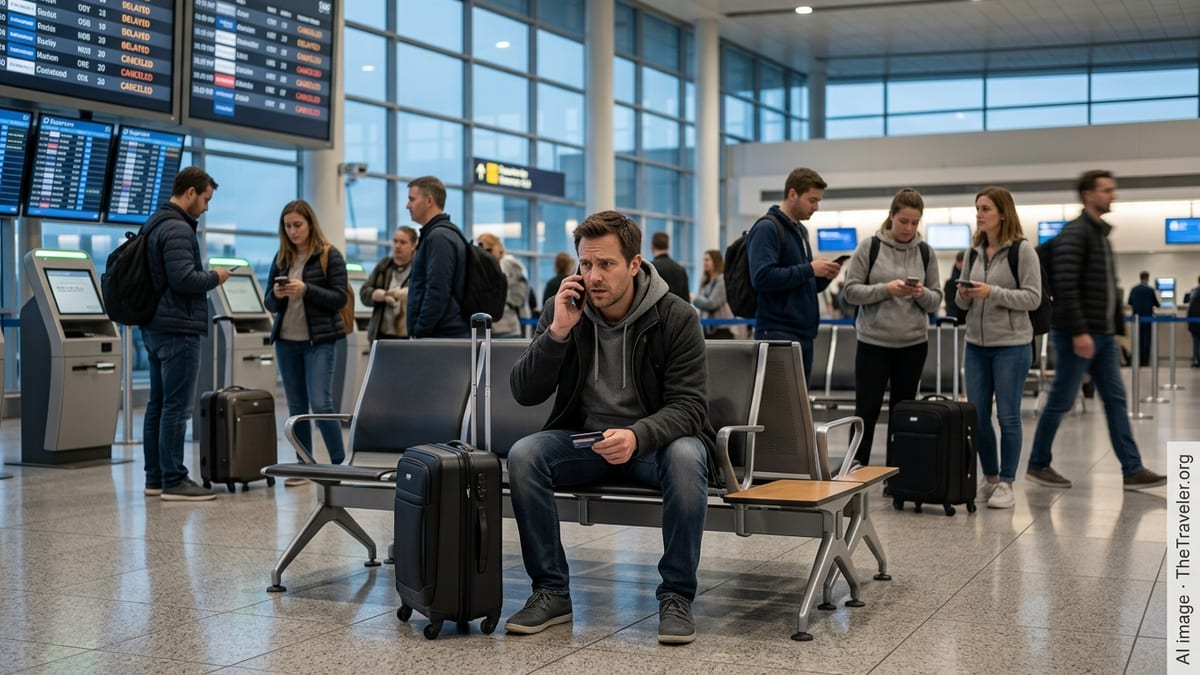
A Complex, Always-On Support Ecosystem
KLM Royal Dutch Airlines has spent the past decade positioning itself as one of the most digitally accessible carriers in the world, with support available around the clock across phone, app, web and social media. Publicly available information shows that the airline’s contact options now sit alongside its booking tools, enabling passengers to move from browsing to live assistance in a few clicks.
According to KLM’s own service information, customers can receive flight updates via phone, text message or email when they share contact details during booking, while additional help is available through the KLM app and official social media accounts. This ecosystem is designed to shift simple requests, such as schedule checks and seat confirmations, to automated systems so human agents can focus on more complex problems.
However, as travel volumes rebound and disruption events become more frequent, passengers report mixed experiences with response times. Community discussions and recent guidance documents indicate that some travelers secure quick resolutions through specific channels, while others encounter long waits, repeated automated replies or abandoned conversations. That uneven experience is driving interest in strategies that reliably bring a faster response.
Prioritizing Official, Secure Contact Channels
One of the most important steps for passengers is to start with KLM’s verified channels. The airline’s privacy and security guidance warns that fraudulent call centers and fake social media campaigns have emerged, sometimes mimicking KLM branding and offering discounted tickets or urgent assistance. Travelers are advised to avoid searching randomly for phone numbers and instead access contact details directly through the airline’s official platforms.
Using verified channels not only protects against fraud but can also speed up support. When customers approach KLM through its authenticated app, website or branded social media profiles, their booking details are more easily matched to internal systems, reducing the need for repeated verification. This can shorten the time it takes to move from automated prompts to a live agent.
Security notices also highlight that genuine KLM agents will not request sensitive information such as full payment card details through unsolicited messages. For travelers, recognizing this pattern helps them quickly filter out suspicious contacts and focus their efforts on interactions that are more likely to lead to an effective response.
Leveraging Phone Lines When Time Is Critical
For urgent changes, industry guidance and independent contact guides continue to emphasize that calling KLM’s customer service lines remains one of the fastest routes to resolution. The airline’s customer commitment for flights to and from the United States notes that written complaints receive formal acknowledgements within 30 days and detailed responses within 60 days, a timetable that illustrates the slower nature of email-based communication compared with real-time channels.
In practice, travelers report that perseverance on the phone often pays off. Some recent accounts describe lengthy hold times, particularly during disruption events, but also indicate that complex issues such as refunds, involuntary rerouting and special service requests are more likely to be fully resolved once a live agent is reached. Contact strategy summaries produced in 2025 and 2026 similarly conclude that switching from slower channels to phone is often the most time-efficient step when minutes matter.
Passengers trying to accelerate response can prepare booking references, travel dates and passenger names before calling, then follow menu options that align closely with their problem. Community feedback suggests that navigating to frequent flyer or loyalty-program options can sometimes connect callers more quickly with trained staff, although this may vary by region and time of day.
Using the KLM App, Web Chat and Self-Service Tools
KLM’s app and website have steadily evolved into central hubs for both self-service and live support. The airline highlights that booking management, seat selection, schedule checks and real-time flight notifications can often be handled entirely within these digital tools, which decreases reliance on traditional call centers and can deliver instant answers without waiting for an agent.
Several recent traveler reports indicate that initiating a chat session on KLM’s website or within the app can lead to faster human interaction than messaging through external platforms. Although chatbot technology typically handles the opening exchange, passengers say that many cases are passed to agents within minutes, especially for active-day-of-travel issues such as missed connections or boarding problems.
For travelers seeking a quick response, experts recommend starting with the app or web portal whenever possible, both to attempt self-service fixes and to document the steps already taken. That record can help agents quickly understand what has been tried and avoid repeating troubleshooting, which may shorten the overall resolution time.
Social Media, WhatsApp and Smart Message Strategies
KLM is widely recognized as an early adopter of social media service, with support available on platforms such as WhatsApp, Facebook Messenger, Twitter and others. The airline’s own updates describe this service as operating around the clock and capable of handling questions in multiple languages, from basic itinerary information to more specific booking concerns.
Real-world experiences with these channels vary. Some passengers report rapid, helpful exchanges on WhatsApp and other platforms, particularly outside peak disruption periods. Others describe delays measured in hours between replies or threads that begin with generic automated responses before being closed without a full solution. These contrasting accounts suggest that social media works best when used with clear expectations and a structured approach.
To improve the odds of a quick answer, travelers are advised to send concise, complete messages that include booking codes, flight numbers and a brief description of the problem, while avoiding sensitive financial details. Attaching screenshots of error messages or app screens, where permitted, can help support teams assess the issue more quickly. If there is no meaningful progress after a reasonable wait, passengers often turn to phone or app-based chat rather than repeatedly restarting social media conversations.
Seven Practical Ways To Prompt a Faster Response
Across this mix of channels, patterns are emerging about what tends to work best. First, experts recommend starting with KLM’s official app or website to check whether self-service tools can resolve the issue, especially for seat changes, rebooking on available alternatives and document retrieval. Second, when time is critical, calling the airline directly continues to be the most immediate option, despite variable hold times.
Third, opening a live chat session through the app or site can provide a middle path, particularly when phone lines are congested. Fourth, using verified social media accounts and WhatsApp can be effective for non-urgent questions, provided that messages are clear and complete. Fifth, keeping all communication within a single thread or case number helps avoid fragmented conversations that slow down resolution.
Sixth, travelers are encouraged to monitor KLM’s operational updates pages and notifications, which may answer common questions about widespread disruptions before individual contact is needed. Finally, documenting each interaction, including dates, times and the channel used, can support any later follow-up or formal complaint, and may encourage more consistent handling of cases that span several days.
Together, these seven strategies reflect the reality of airline customer service in 2026: no single channel guarantees instant results, but a focused approach that combines official tools, timely phone contact and well-structured digital messages can significantly improve the chances of a swift response from KLM’s support hub.