


More news on this day
Rangers supporters in Northern Ireland planning to travel to Glasgow for the club’s Premiership clash with St Johnstone have been urged to review their plans after ferry cancellations and severe weather alerts created significant uncertainty around weekend crossings.
Get the latest news straight to your inbox!
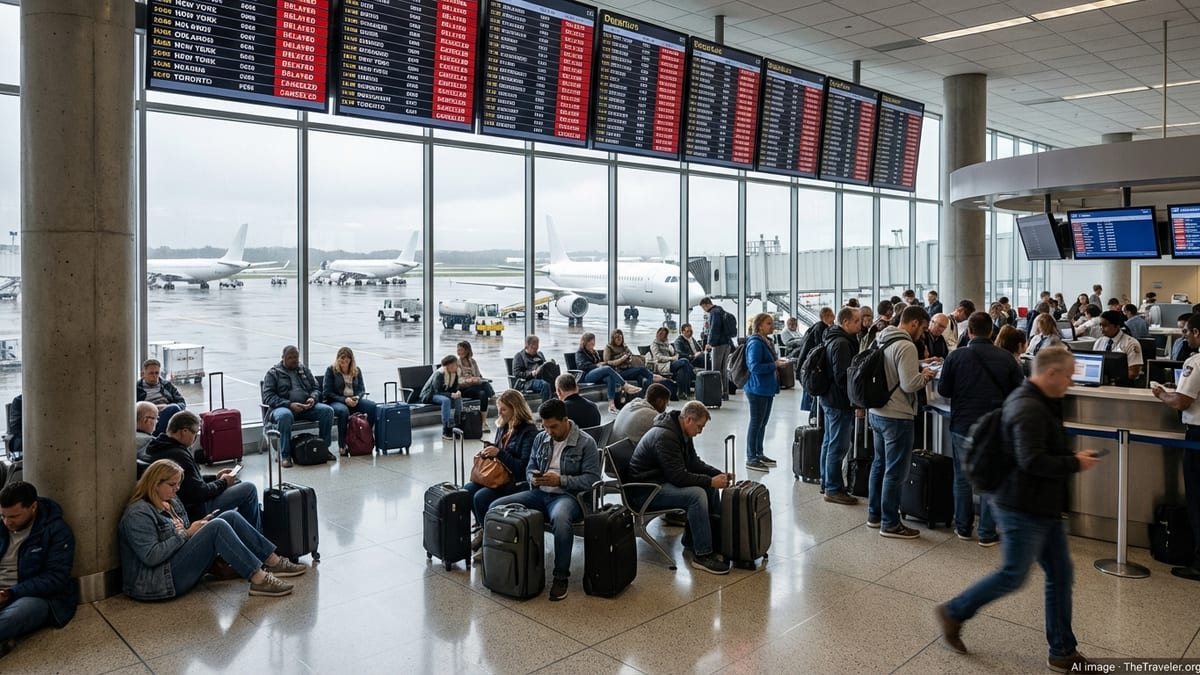
Storm Boelo triggers cancellations on key Belfast route
Published coverage indicates that services on the busy Belfast to Cairnryan corridor are among those hit as Storm Boelo approaches Scotland and Northern Ireland. A report from Scotland notes that sailings operated by Stena Line on Saturday have been curtailed, with large parts of the daytime schedule cancelled due to forecast high winds and rough seas.
According to one detailed roundup of weather impacts on Scottish football fixtures, the early morning sailings from Belfast to Cairnryan at 3:20 and 7:15 are expected to operate, but sailings from late morning onwards have been withdrawn. Return crossings from Cairnryan are subject to the same pattern, leaving a substantial gap in service at times when many Rangers fans would normally travel home after a Saturday afternoon match at Ibrox.
A separate report focused specifically on Northern Irish Rangers fans highlights that while an outbound ferry from Northern Ireland on Saturday morning is scheduled to run, the corresponding evening sailing back across the Irish Sea has been cancelled. The next confirmed return option is described as Sunday afternoon, effectively obliging any supporters who cross by boat on Saturday to arrange overnight accommodation in Scotland.
These changes mean that supporters who had counted on a same‑day return now face difficult choices over whether to travel at all, seek alternative routes, or absorb the extra cost and logistics of an unexpected overnight stay.
Weather warnings raise wider transport concerns
The ferry disruption is unfolding against the backdrop of strengthening weather alerts across western and central Scotland. The Met Office has issued a yellow warning for strong winds during the day on Saturday, with an amber warning for more severe conditions set to take effect from around 9pm. Coverage of the forecast notes that gusts could reach damaging levels later in the evening, with the potential for transport disruption across road, rail, air and sea.
Reports examining the impact on Scottish fixtures suggest that while the 3pm kick‑off time for Rangers versus St Johnstone at Ibrox currently falls within the lower‑grade yellow warning period, conditions are expected to deteriorate as the afternoon progresses. Heavy rain and winds strengthening towards 20 miles per hour are forecast around Glasgow, with higher gusts anticipated into the evening as the amber phase approaches.
Guidance published by the UK’s national forecaster for yellow and amber wind alerts indicates that travel may be delayed or cancelled, particularly for high‑sided vehicles and exposed routes. Disruption to ferry services is specifically highlighted as a risk under such warnings, a scenario that is already playing out for crossings between Northern Ireland and southwest Scotland.
Rail operators and road authorities typically respond to these alerts with speed restrictions, diversions or short‑notice closures on vulnerable sections of network, particularly near the coasts. For Rangers fans making the journey via Scottish domestic routes, public information suggests that checking services on Saturday morning and allowing extra time for connections will be essential.
Impact on Northern Irish supporters’ matchday plans
The curtailed ferry schedule leaves Northern Irish Rangers fans with a limited set of options for reaching Glasgow in time for the St Johnstone match and returning home safely. Those intent on travelling on Saturday may still be able to use the early morning crossings from Belfast, connect by road from Cairnryan to Glasgow, and attend the game. However, with no same‑day evening sailing back to Northern Ireland, returning on Saturday night by the same route is no longer feasible.
Publicly available travel advice suggests that some supporters may consider rebooking onto Sunday services, accepting an overnight stay in Scotland as part of their trip. Others may look at alternative routes, such as flying between Belfast and Glasgow or using different ferry ports in Britain combined with longer overland journeys. With Storm Boelo affecting a wide area, though, airlines and other ferry operators may also be operating revised schedules, and availability could be tight at short notice.
For fans who have not yet finalised travel, the combination of cancelled sailings and an escalating weather picture may prompt reconsideration. Some ticket holders may choose to transfer or sell on their seats, while others could delay a final decision until Saturday morning to see whether the forecast improves or further disruption is announced.
Supporters who decide to travel are being encouraged by multiple public information sources to monitor operator updates closely, allow generous time for connections between ports and stadium, and prepare for the possibility of extended waits if conditions worsen.
Match expected to proceed under monitoring
Despite the disruptive forecast, current reporting suggests that the Premiership fixture between Rangers and St Johnstone at Ibrox remains scheduled to go ahead as planned with a 3pm kick‑off. Commentators following the situation note that it is rare for top‑flight matches in Scotland to be postponed solely on the basis of a yellow weather warning, particularly when the main period of severe conditions is predicted to arrive later in the evening.
Analysis in Scottish football coverage indicates that refereeing and safety officials typically factor in wind speeds, surface water, and structural concerns, such as loose debris or temporary installations, before deciding whether a match can proceed. In this case, the primary concerns highlighted relate less to the playability of the pitch and more to the comfort and safety of spectators travelling to and from the stadium.
As of the latest published updates, attention appears to be focused on ensuring that any escalation of the Met Office warning, such as an earlier‑than‑expected onset of amber conditions, is quickly reflected in transport and event‑day decision‑making. Observers note that travel conditions after full time are likely to be more challenging than those before kick‑off, particularly for supporters facing long journeys home across exposed routes.
For the thousands of fans making shorter trips within Scotland, contingency planning may involve leaving additional time for local trains and roads, while those crossing from Northern Ireland must balance the desire to attend a key league fixture against the practicalities of navigating a major storm system affecting both sides of the Irish Sea.
Practical guidance for affected travellers
Public travel information services advise that passengers affected by ferry cancellations should first confirm whether their specific sailing is operating and then check what rebooking or refund options are available. Operators typically offer transfers to alternative departures where space exists, or vouchers and refunds when services are withdrawn for safety reasons. Given the limited number of crossings between Belfast and Cairnryan during severe weather, securing a place on Sunday services may require prompt action.
For those switching to air travel, current guidance from airports and carriers stresses the importance of checking flight status on the day, as high winds can lead to knock‑on delays and diversions. Passengers are usually advised to arrive early, expect queues at security and boarding, and ensure they have up‑to‑date contact details on airline booking systems in case of schedule changes.
Road travellers connecting from ports to Glasgow are being urged by transport bulletins to anticipate surface water, spray and gusty crosswinds, particularly on exposed sections of motorway and trunk road approaching the city. Reduced speed limits and congestion are likely as conditions worsen, increasing journey times before and after the match.
With accommodation in and around Glasgow often busy on match weekends, fans opting to stay overnight due to the loss of same‑day ferry options may find that prices rise or availability tightens as more people make late bookings. Travel industry coverage suggests that checking a range of locations across the wider central belt and being flexible on property type and location can help secure a room at short notice.