


More news on this day
Northern Irish Rangers supporters planning to travel to Scotland for today’s Premiership match against St Johnstone have been urged to review their itineraries after ferry cancellations and rapidly worsening weather left return journeys in doubt.
Get the latest news straight to your inbox!
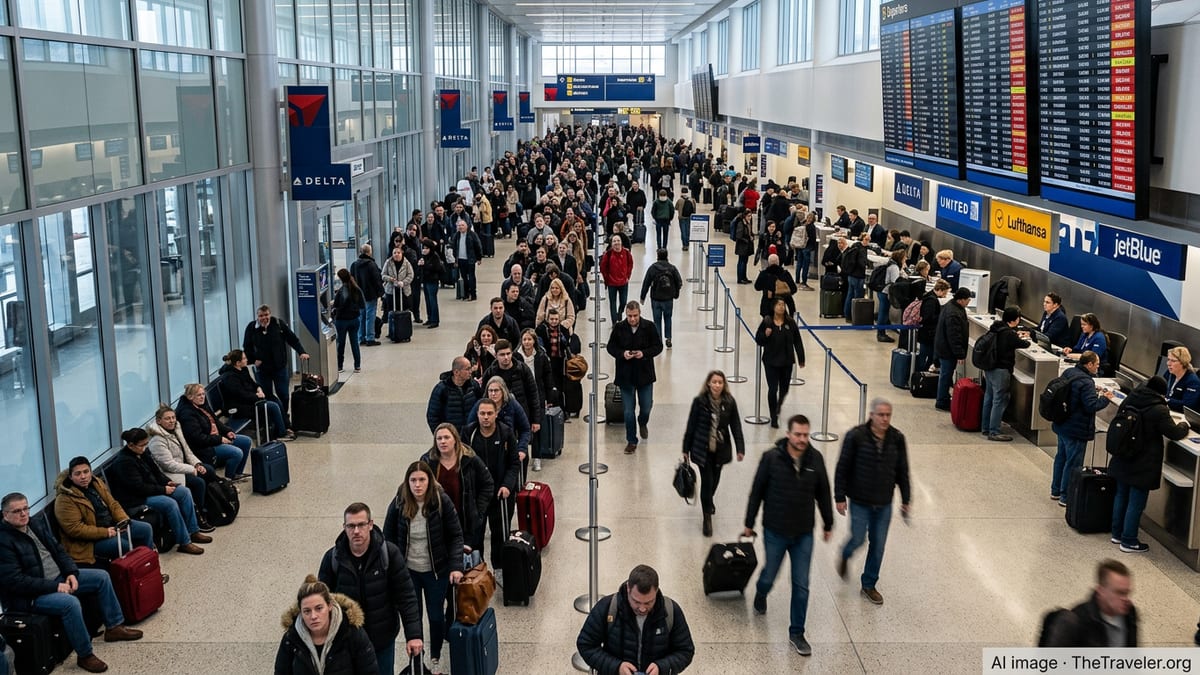
Cancelled sailings leave fans without same-day return option
Publicly available schedules show that Stena Line’s key evening service between Scotland and Northern Ireland has been cancelled on the day of the Rangers v St Johnstone fixture, removing the most common same-day return option for match-going fans. Travel reports indicate that a morning sailing from Belfast to Cairnryan is still scheduled, allowing supporters to reach Scotland in time for the 3pm kick-off at Ibrox, but there is no corresponding sailing back across the Irish Sea on Saturday night.
Coverage of the disruption notes that the next available Stena Line return crossing for affected passengers is expected to run on Sunday afternoon, effectively obliging those who sail out on Saturday morning to arrange overnight accommodation on the Scottish side. For many Northern Ireland–based Rangers fans who typically complete the round trip within a single day, this presents an unexpected increase in cost and complexity, particularly for those travelling in family groups or by supporters’ clubs.
Supporter-focused reports highlight that the initial alert about the cancelled return was circulated by fan media, prompting a rapid reassessment of travel plans. With match tickets, rail connections and coach transfers to Glasgow already paid for in many cases, fans are now weighing whether to accept an extra night away or abandon the trip altogether.
The disruption underscores how dependent many Northern Irish fans are on a small number of cross-channel sailings when following Rangers at home. When even a single key service is withdrawn, options narrow quickly, especially around popular weekend fixtures.
Storm Boelo drives wider travel warnings across Scotland
The cancellations come as Storm Boelo triggers an amber warning for high winds covering much of Scotland from the evening of Saturday 24 October into Sunday 25 October, according to national weather and policing updates. Public information from Police Scotland and the Met Office points to a high likelihood of hazardous conditions on roads and across transport networks throughout the weekend.
Travel advisories emphasise the potential for bridge restrictions, fallen debris and reduced visibility, and recommend that people consider postponing non-essential journeys during the peak of the storm. Ferry operators including CalMac, Stena Line and P&O Ferries are listed among services expected to be affected, with revised timetables and short-notice cancellations possible as conditions develop.
For Rangers and St Johnstone supporters travelling within Scotland, the primary concern is expected to be strong crosswinds on exposed routes and possible disruption to rail services. For those crossing the Irish Sea, however, the combination of high winds and heavy seas has a more immediate impact, limiting the number of sailings that can operate safely.
While there has been no formal indication that the Ibrox fixture itself will be postponed, recent coverage of the situation around Storm Boelo notes that organisers and safety bodies are closely tracking the forecast. The upgraded warning has already led to scrutiny of multiple Scottish Professional Football League matches scheduled across the same weekend.
Alternative routes under pressure as fans scramble to rebook
With the most convenient Saturday night ferry off the schedule, many Northern Irish Rangers supporters have turned to alternative transport options at short notice. Publicly available booking data and travel commentary indicate increased interest in Sunday ferry crossings, which may now sell out quickly as fans attempt to move existing reservations.
Some supporters are reported to be exploring different sea and air routes, such as flights between Belfast and Glasgow or ferries to other British ports combined with longer overland journeys. However, as Storm Boelo affects a broad swathe of northwestern Europe, these alternatives may themselves be susceptible to delays or reduced capacity, limiting their usefulness for time-sensitive match travel.
Travel information services advise passengers to monitor operator updates closely and to build generous buffers into any revised itineraries, particularly for those relying on tight connections between ports, trains and local transport in and out of Glasgow. Given the prospect of weather-related delays, fans are being encouraged to anticipate extended waiting times at terminals and to plan accordingly.
Cost is another factor shaping decisions. Last-minute flight bookings and additional overnight stays in Scotland can significantly increase the overall expense of a single league fixture, which may prompt some ticket holders to stand down and seek to pass on their seats to supporters already based in Scotland or with more flexible travel arrangements.
Recent disorder and safety focus around St Johnstone fixtures
The travel disruption unfolds against a backdrop of heightened attention to supporter behaviour and matchday safety in Scotland. Earlier in October, Police Scotland announced a series of arrests linked to disorder at a recent St Johnstone home fixture, citing incidents before, during and after the match, including on the rail network serving Perth. Those developments followed separate high-profile cases involving Rangers supporters, including custodial sentences for individuals involved in pitch invasions and other offences.
These episodes have contributed to renewed scrutiny of how fans travel to and from games and how policing resources are deployed around major fixtures. Publicly available guidance on football safety stresses the importance of coordinated planning between clubs, transport operators and policing bodies, particularly where large travelling supports are expected.
Although today’s match between Rangers and St Johnstone takes place at Ibrox rather than McDiarmid Park, the combination of a sizeable visiting support, adverse weather and altered travel patterns is likely to shape operational planning. With a proportion of the usual Northern Irish contingent potentially absent due to ferry issues, crowd flows in and around the stadium and on key transport corridors may differ from previous meetings.
For travelling fans, the wider safety context reinforces existing advice to avoid excessive alcohol consumption while in transit, to respect stewarding instructions at ports and stations, and to build in sufficient time to move safely between modes of transport without resorting to risky shortcuts under pressure.
Practical guidance for supporters still making the trip
Public transport and safety bodies recommend that any Northern Irish Rangers supporters who still intend to travel this weekend verify their bookings directly with operators before departing for ports or airports. With conditions subject to rapid change as Storm Boelo moves across the region, sailing and flight statuses may be updated repeatedly throughout the day.
Supporters who have transferred to Sunday sailings are being advised through open information channels to secure accommodation near their point of arrival or departure in Scotland, rather than attempting long night-time drives in deteriorating weather. Travel planners also highlight the value of having contingency funds for unexpected expenses such as extra meals, taxi journeys or ticket changes if services are delayed or diverted.
Fans using road transport within Scotland are encouraged by published advice to charge mobile phones fully, carry warm clothing and basic supplies, and to keep informed via traffic and travel bulletins. For those unfamiliar with the Scottish trunk road network, tools such as national route planners and live travel news can help identify safer alternatives if certain bridges or high routes become restricted.
For many Rangers supporters from Northern Ireland, attending matches is a long-established routine built around tight travel windows. This weekend’s disruption, driven by a rare combination of severe weather and key service cancellations, serves as a reminder of how fragile those arrangements can be. With careful planning and close attention to official updates, however, a proportion of fans still appear determined to reach Glasgow and support their team, even if it means extending their trip by an unplanned extra day.