


More news on this day
Northern Trains, the largest rail operator in northern England, is pressing ahead with a major fleet renewal and timetable overhaul as it faces renewed scrutiny over reliability, customer complaints and accessibility across its busy regional network.
Get the latest news straight to your inbox!
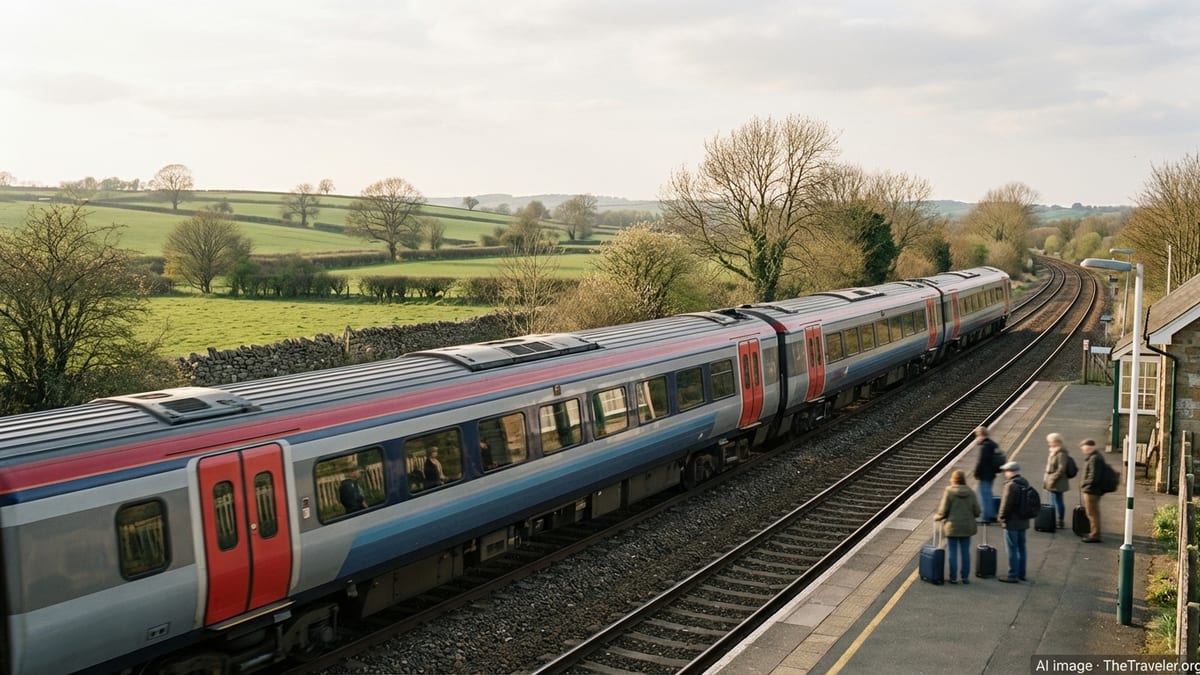
New multi-mode fleet at the heart of Northern’s strategy
Publicly available information shows that Northern plans to procure up to 450 new trains in a multi-billion-pound programme that it describes as transformational for passengers across the North of England. The new units are intended to replace some of the operator’s oldest diesel stock and to align services with major infrastructure schemes such as the Transpennine Route Upgrade.
According to Northern’s published material, the order is expected to focus on modern multi-mode trains that can operate under electric power where wires are available and use alternative traction on non-electrified sections. This approach is presented as a way of improving performance and capacity while also supporting national decarbonisation objectives on a network where only a minority of routes are currently electrified.
Company briefings indicate that the first phase of the programme will target ageing Class 150, 155 and 156 diesel trains, many of which work busy commuter and regional services. New electric units are also planned for local stopping services between key cities including York, Leeds, Huddersfield and Manchester, timed to follow further electrification works on the trans-Pennine corridor.
Northern has appointed a dedicated programme director to oversee the procurement, signalling the scale and complexity of the undertaking. The project is framed as one of the first major fleet orders under the reformed Great British Railways-style industry structure, meaning it is being closely watched across the wider UK rail sector.
Infrastructure upgrades reshape services across the North
The fleet renewal programme is closely linked to long-running infrastructure works, particularly the government-backed Transpennine Route Upgrade between Manchester, Huddersfield, Leeds and York. This scheme is designed to increase capacity, reduce journey times and allow faster, longer and more frequent services on routes that are currently constrained by Victorian-era infrastructure.
Northern’s own updates highlight investment in depots and maintenance facilities to handle longer and more modern trains. Published case studies describe upgrades at sites in the North West to enable longer formations on routes between Cumbria and Manchester, increasing capacity at peak times and supporting timetable changes that were introduced alongside seasonal adjustments.
Network-wide timetable changes remain a recurring feature of Northern’s operation, with seasonal recasts in December and May typically used to introduce new services or re-time existing ones. Recent stakeholder newsletters emphasise additional services in parts of the North East and incremental improvements connecting regional centres with larger cities, although passengers are frequently reminded to check journey details in advance due to continuing engineering work and unplanned disruption.
The interplay between new infrastructure, new trains and revised timetables is central to Northern’s public narrative about building a more reliable and higher-capacity railway. However, the scale of concurrent projects across the region means that day-to-day travel can still be affected by short-notice changes, particularly when infrastructure failures or extreme weather compound planned engineering work.
Accessibility investigation adds pressure on customer experience
Alongside investment headlines, Northern is under closer regulatory scrutiny over how it supports disabled and less mobile passengers. The Office of Rail and Road has opened an investigation into whether the operator has complied with its Accessible Travel Policy obligations, focusing on the consistency and reliability of booked assistance across the network.
Documents from the regulator and the company indicate that the investigation centres on missed or incomplete assistance for passengers who pre-book help to board, alight or change trains. Northern has reported that it is strengthening internal monitoring, introducing new processes and offering reparations where assistance has fallen short, as it works to demonstrate future compliance.
Northern’s own complaints and continuous improvement reports for the most recent rail years show a rise in overall complaint volumes, although these are broadly in line with increased passenger numbers. The data highlights service performance as the single largest driver of complaints, followed by ticketing and refunds, with accessibility-related issues also featuring as a significant theme.
The investigation has reinforced the importance of reliable assistance as passenger numbers continue to recover. Advocacy groups and commentators have stressed that investment in new trains and infrastructure must be matched by improvements in front-line support if rail is to remain a viable option for those who depend on accessible transport.
Penalty fares, ticketing policies and passenger frustration
While Northern is investing in new trains, its approach to revenue protection and penalty fares remains a flashpoint for many passengers. The operator’s published “Buy Before You Board” and fines and penalties policies state that travellers must hold a valid ticket or a Promise to Pay notice before boarding at stations where ticket-buying facilities are available, or risk being issued with a penalty fare.
Northern’s official guidance explains that penalty fares are intended to deter fare evasion and to encourage the use of ticket machines, ticket offices and mobile apps. The documentation sets out the circumstances in which a penalty may be issued, the level of charges and the avenues for appeal, aligning with updated national guidelines on rail penalty fares that took effect across much of the network.
However, Northern’s own complaints review shows that penalty fares have become a significant source of dissatisfaction. In the latest reporting year, the company recorded more than a thousand complaints relating to ticketing and refunds, with penalty fares identified as the main driver within that category. Case studies presented in public forums and media coverage often highlight situations where customers say they were caught out by complex ticketing rules, phone battery failures or disruptions that affected their ability to buy or present a ticket.
The operator maintains that clear signage, online information and its mobile app provide ample opportunity to buy tickets in advance, and that staff are expected to use discretion in certain circumstances. Even so, the persistent level of complaint suggests a gap between policy and passenger expectations, underlining how sensitive revenue protection can be on busy commuter and regional routes.
Ongoing disruption tests Northern’s resilience
Despite the longer-term promise of new trains and upgraded infrastructure, passengers on Northern services continue to face significant day-to-day challenges. Publicly available performance summaries and customer-facing promises for early 2026 refer to hundreds of services affected by delays and cancellations in a single month, attributed to a mix of infrastructure failures, staffing shortages and external incidents.
Recent reports from regional media and passenger forums describe episodes of severe disruption around key hubs such as Manchester, where power supply issues and signalling failures have triggered cascading delays across the Northern and TransPennine networks. On such days, journey planners and station departure boards can change rapidly, leaving travellers to navigate overcrowded trains, extended journey times and last-minute platform alterations.
Northern’s customer materials outline a range of measures designed to manage disruption, including revised timetables, ticket acceptance on other operators where agreed, and compensation schemes for delayed journeys. The company’s “Customer Promise” documents set out the thresholds for compensation and the process for claiming, as well as commitments to keep passengers informed through station announcements, digital channels and staff presence on platforms.
As the peak summer travel period continues, the contrast between Northern’s long-term vision and the immediate reality of disruption remains stark for many rail users in the North of England. The progress of the new train procurement, the outcome of regulatory investigations and the effectiveness of operational reforms will be closely watched by passengers, regional leaders and the wider rail industry over the months ahead.