


More news on this day
Oceania Cruises is sharpening its focus on the Caribbean, introducing new small-ship voyages and refreshed warm-weather programs that highlight lesser-known islands, longer days in port and an increasingly adults-only atmosphere at sea.
Get the latest news straight to your inbox!
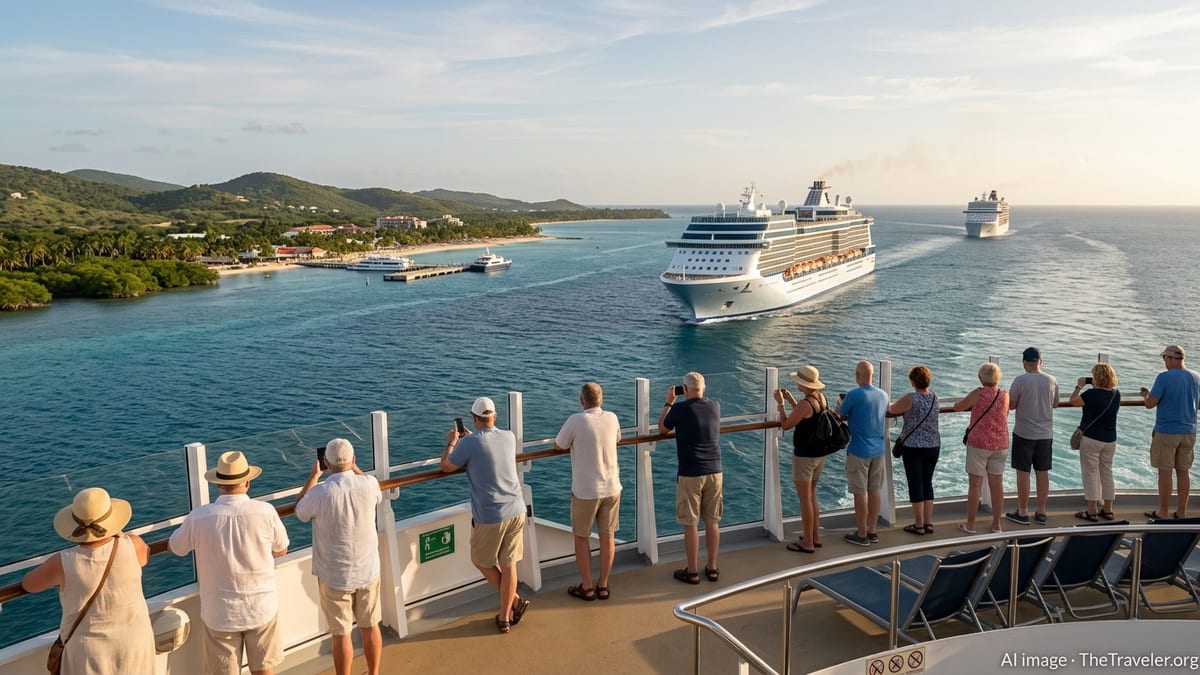
New Voyages Spotlight Boutique Caribbean Ports
Recent itinerary releases from Oceania Cruises indicate a broader push into the Caribbean and nearby tropics, with the line positioning its Caribbean offerings as destination-rich alternatives to mainstream routes. The company’s most recent voyage collections emphasize small-ship access to boutique harbors, extended stays and combinations of marquee islands with more off-the-radar stops.
Published materials on forthcoming seasons show that Oceania is assigning multiple ships to Caribbean and Panama Canal programs, including newer vessels and long-serving regatta-class ships known for their more intimate scale. The itineraries are designed to balance classic resort islands with lesser-visited ports, giving repeat cruisers a reason to return to the region while introducing first-time guests to a wider geographic spread.
Voyage overviews highlight routes that weave through Eastern and Western Caribbean chains, often linking the islands with Mexico and the broader Central and South American coastline. Some sailings layer in canal transits, while others focus on stringing together smaller ports that are typically beyond the reach of larger ships, signaling the line’s intent to showcase the Caribbean through a more nuanced lens.
According to publicly available brochures, many of these itineraries fall in the seven to 14 day range, a length aimed at North American and European travelers seeking substantial time in the region without committing to extended grand voyages. Select sailings are positioned as longer explorations that connect the Caribbean with South America or the broader Tropics and Exotics portfolio.
Small-Ship Luxury Shapes the Onboard Experience
The latest fleet guides and independent analyses underscore that Oceania continues to anchor its Caribbean product around small-ship luxury. Across its eight-ship fleet, capacities generally top out at around 1,250 guests, with several ships carrying fewer than 700 travelers, a scale that enables access to compact harbors and more personalized service patterns.
Newer ships in the Allura and Vista generation bring expanded outdoor spaces, updated wellness areas and a broader mix of dining venues, aimed at travelers who expect contemporary design alongside traditional cruise comforts. At the same time, the line continues to deploy its established regatta-class vessels on certain Caribbean and Panama Canal routes, drawing on their reputation for a more intimate, boutique hotel-style environment at sea.
Fleet comparison reports for the 2026 season describe Oceania’s approach as food and destination led, a positioning that is increasingly important in the Caribbean where many islands share broadly similar sun-and-sand appeal. By combining multiple specialty restaurants, elevated wine programs and regionally influenced menus with port-intensive itineraries, the line is betting that culinary depth and quieter onboard spaces will differentiate its sailings from mass-market competitors.
The company’s stated focus on extended port days and overnight calls in select destinations is also central to this strategy. Longer time ashore gives guests more flexibility for independent exploration, late-evening dining on the islands or participation in immersive tours that would not fit within a traditional short call, widening the appeal for experienced travelers.
Adults-Only Policy Recasts Caribbean Cruises
A policy shift that took effect for new reservations in early 2026 is reshaping who Oceania expects to welcome on its Caribbean sailings. Public announcements show that the line is transitioning to an adults-only model, limiting voyages to guests aged 18 and over and signaling a clear emphasis on a quieter, resort-like environment on board.
For Caribbean itineraries, this change positions the brand more firmly in the couples, solo traveler and multigenerational-adult segments rather than the broader family market targeted by many larger ships in the region. Industry observers note that this aligns with Oceania’s longstanding emphasis on culinary experiences, destination immersion and a more subdued onboard atmosphere.
The adults-only approach may be particularly relevant in winter and shoulder seasons, when many travelers look to combine beach escapes with cultural touring and fine dining rather than waterpark-style amenities. By removing family-focused features from the equation, the line is distinguishing its Caribbean offering from high-capacity ships that prioritize entertainment complexes and large-scale attractions.
Publicly available commentary suggests that this repositioning could also support higher per-guest spending on food, wine, enrichment and shore excursions. With the Caribbean still one of the world’s most competitive cruise markets, Oceania’s strategy appears to aim at depth of experience rather than scale, using its smaller ships and curated itineraries to carve out a defined niche.
Caribbean Within the Wider Tropics & Exotics Portfolio
Oceania’s Caribbean sailings do not exist in isolation. The region is increasingly woven into the company’s broader Tropics and Exotics collections, which span Asia, Africa, the South Pacific and the Americas. Promotional materials for current and upcoming seasons repeatedly position the Caribbean as a jumping-off point or connective thread within longer, more complex itineraries.
Several voyage collections link the Caribbean with Panama Canal transits, Pacific crossings or longer journeys that extend into South America and beyond. These programs appeal to guests seeking more than a single-region holiday, turning a traditional week in the islands into part of a multi-continent exploration framed by the same small-ship, culinary-forward ethos.
Longer grand voyages highlight how the Caribbean can be experienced in different ways over the course of a single season, from well-known beach destinations to ports tied closely to colonial history, Afro-Caribbean culture and diverse culinary traditions. This layered approach reflects the company’s broader marketing message that travel in the tropics can be both relaxing and intellectually engaging.
By threading Caribbean segments into world and grand itineraries, Oceania also keeps its ships moving through the region at various times of year rather than limiting presence to the core winter season. That pattern helps sustain relationships with smaller island ports and offers repeat guests additional ways to revisit the Caribbean without duplicating previous routes.
What Experience-Focused Travelers Can Expect
For travelers considering these new and expanded Caribbean options, publicly available information provides a relatively clear picture of what to expect at sea and ashore. Itineraries are designed for guests who value time in port, regional food and wine and the calmer ambience associated with smaller ships and an adult-only environment.
On board, the focus remains on multi-course dining, lounge-centric entertainment, enrichment activities and wellness rather than large-scale theaters or water attractions. Cabin counts are modest compared with contemporary mega-ships, which contributes to shorter embarkation queues, less crowded public spaces and more predictable access to specialty restaurants and shore excursions.
Ashore, guests can expect a mix of marquee Caribbean names and smaller islands that benefit from the line’s ability to dock in tighter harbors. Port descriptions emphasize local culture, historic districts, snorkeling and sailing opportunities and, in several cases, access to UNESCO-listed sites and protected marine areas within day-trip range.
While pricing generally places Oceania within the upper-premium or luxury-leaning segment of the cruise market, the brand’s latest Caribbean messaging suggests it is targeting travelers who are willing to trade headline-grabbing onboard attractions for a smoother, more destination-centered style of escape. As new voyage collections continue to roll out, the Caribbean looks set to remain a key proving ground for that strategy.