


More news on this day
Oman Air is reporting delays and schedule disruptions across parts of its network after temporary airspace restrictions in the wider Middle East forced aircraft onto longer, more congested routes over Oman.
Get the latest news straight to your inbox!
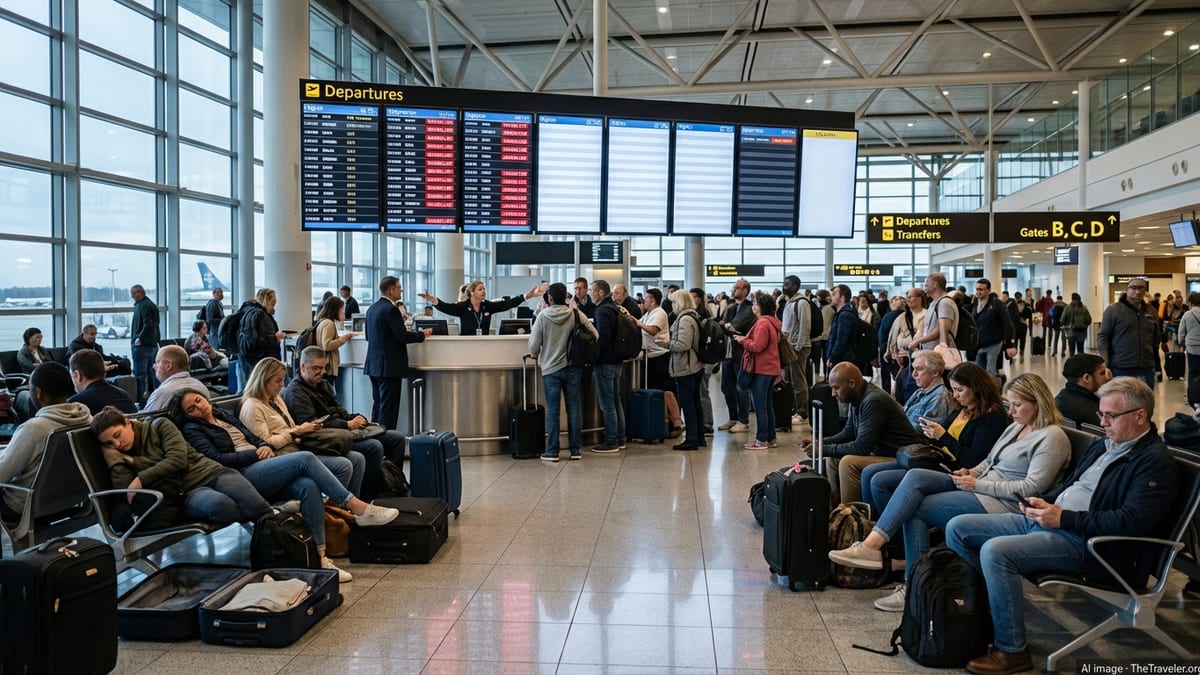
Regional airspace shifts ripple through Oman’s network
Recent temporary restrictions affecting portions of Middle Eastern airspace have prompted airlines to reroute traffic, concentrating more flights through corridors managed by Oman’s Muscat Flight Information Region. Publicly available aviation data and route tracking indicate that carriers are avoiding certain neighboring airspaces, with Oman assuming a greater share of east west traffic.
Industry reports note that Muscat’s airspace has become a key alternative pathway for flights connecting Europe, the Gulf and South and Southeast Asia. This shift has increased the number of aircraft funneled through a limited set of waypoints, raising the likelihood of flow control measures and holding patterns, particularly during peak travel periods.
Oman Air, which operates a hub at Muscat International Airport, is among the carriers affected by these changes. The airline’s schedule is closely tied to connecting banks of flights, meaning a delay on one leg can more easily cascade to onward services when airspace options are constrained.
While the core Omani airspace remains open for civil aviation, the combination of regional restrictions and traffic redistribution has created new operational bottlenecks and contributed to longer journey times on selected routes.
Delays, rerouting and extended journey times for passengers
Passengers traveling with Oman Air in recent days have reported later departures, revised connection windows and, in some cases, rebookings as the airline adjusts to airspace constraints. Flight tracking platforms show certain services adopting longer routings around affected regions, increasing block times and tightening turnaround schedules on the ground.
In practical terms, travelers may experience departure queues, airborne holding before landing slots become available, or last minute gate changes while crews and aircraft are repositioned. These operational measures are typical when airspace capacity is reduced or when traffic must be compressed into fewer usable routes.
Some Oman Air flights have seen their timetables revised in advance, with departure and arrival times moved to accommodate new routings and expected congestion. In other cases, delays arise on the day of travel as air traffic control units adjust flows in response to real time demand and weather conditions along the new corridors.
Although most services continue to operate, the cumulative effect of even moderate delays can be significant for connecting passengers, particularly on itineraries involving tight transfer windows in Muscat or other regional hubs.
Operational measures and contingency planning
According to published aviation planning documents and regional contingency frameworks, Oman’s air navigation authorities have been preparing for potential airspace disruptions in neighboring states by refining procedures for rerouting, coordination and flow management. These frameworks are designed to keep air traffic moving safely when sections of surrounding airspace are constrained or closed.
Oman Air’s response sits within this broader operational environment. When airspace is restricted, airlines typically work within air traffic management limits to adjust flight paths, modify cruising levels and, if needed, apply ground delays to reduce airborne congestion. Such measures are intended to preserve safety margins while minimizing knock on effects across the network.
In some instances, training flights or non essential operations in busier sectors can be postponed to free capacity for commercial traffic. Airlines may also temporarily adjust fleet deployment, assigning larger aircraft to combine passenger loads or reallocating spare aircraft to routes where disruption has been most pronounced.
These adjustments are not always visible to passengers, but they influence how quickly an airline can absorb delays and restore punctuality once airspace conditions improve or alternative routings become more efficient.
What affected travelers should do now
Travel advisories issued in similar situations in the region emphasize that passengers should closely monitor their flight status on the day of travel, as departure times and routings may change at short notice. Oman Air customers with upcoming trips are likely to benefit from checking their bookings regularly and allowing extra time for connections where possible.
Industry guidance commonly recommends that travelers arrive at the airport well in advance of departure during periods of disruption, taking into account potentially longer queues at check in, security and immigration when multiple delayed flights coincide. For those transiting through Muscat, reviewing minimum connection times and considering earlier feeder flights can help reduce the risk of missed onward services.
Passengers whose itineraries involve high demand routes across the Gulf and onward to South Asia, Southeast Asia or Europe may be particularly exposed to knock on delays when airspace restrictions compress traffic into fewer corridors. Flexible tickets and travel insurance that cover schedule changes can provide additional protection in such conditions.
While the current disruption is driven by temporary airspace measures rather than issues specific to Oman Air alone, the airline’s customers are likely to face intermittent delays until regional routings stabilize and traffic flows are rebalanced across available airspace.
Broader implications for Middle East connectivity
The situation underscores how sensitive Middle East aviation remains to rapid changes in regional airspace availability. When key flight information regions impose restrictions, the impact quickly extends beyond national borders, affecting airlines and passengers far from the initial trigger point.
Oman’s position on the southern edge of the Gulf and along major east west flight paths means its airspace often acts as a pressure valve when neighboring routes are disrupted. This role supports continued connectivity between Europe, the Gulf and Asia, but also heightens exposure to delays when traffic volumes spike unexpectedly.
Analysts note that recurring airspace constraints encourage airlines to refine contingency routing, diversify their hubs and invest in more sophisticated schedule planning tools. For Oman Air and other regional carriers, strengthening resilience to such shocks has become a central part of long term network strategy.
For travelers, the latest delays highlight the importance of monitoring regional developments and building additional time into itineraries that cross multiple Middle Eastern airspaces. As temporary restrictions ease, punctuality is expected to improve, but the episode serves as a reminder of how quickly conditions in the skies over the region can change.