

More news on this day
Carnival UK brands P&O Cruises and Cunard have launched a new partnership with the coastal education charity Sea Sense, aiming to expand ocean literacy and shoreline safety teaching for schoolchildren across Southampton.
Get the latest news straight to your inbox!
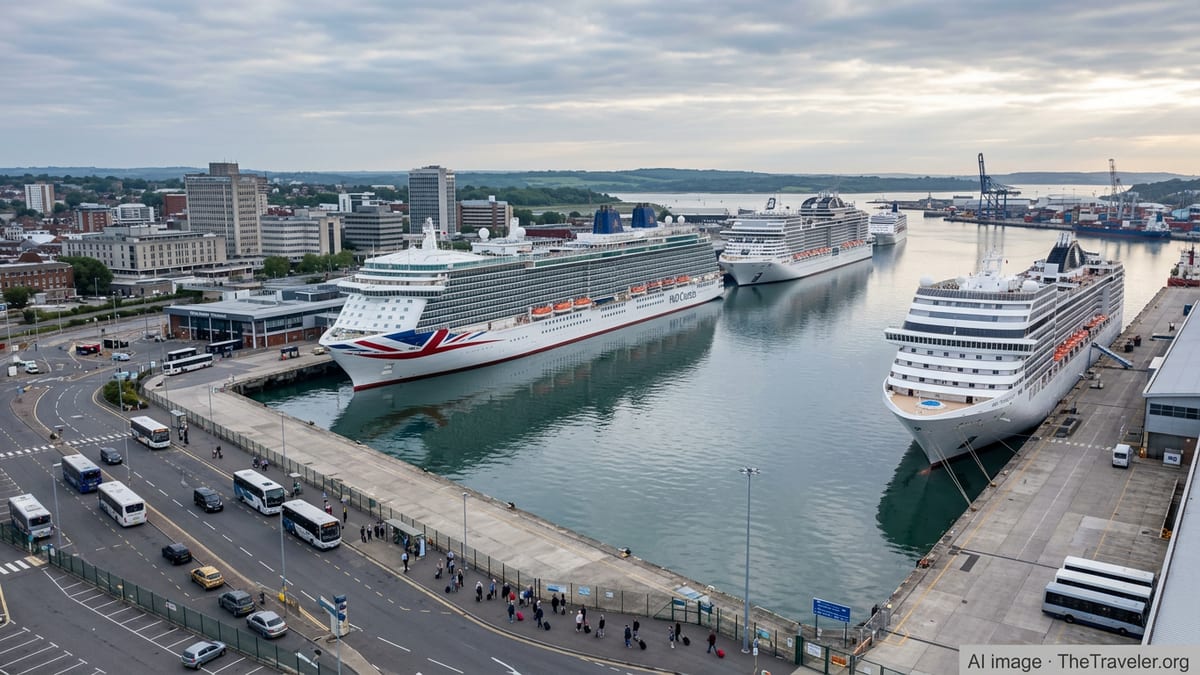
New partnership brings ocean learning into local classrooms
The collaboration links two of Britain’s best-known cruise brands with an organisation focused on engaging young people with their local coastline. Publicly available information indicates that Sea Sense develops workshops and activities that help pupils understand how tides, currents and weather patterns shape the Solent and surrounding shores. By aligning with this work, P&O Cruises and Cunard are seeking to strengthen ties between Southampton’s maritime industry and the city’s schools.
Reports indicate that the partnership will prioritise primary and lower secondary pupils, a key age group for building early awareness of coastal risks and marine conservation. Classroom sessions are expected to cover basic shoreline safety, the importance of lifebelts and warning signage, and practical steps families can take to stay safe near the water during day trips or holidays. The involvement of cruise brands based in the city is being framed as a way to connect those lessons directly to the ships many children see in port.
According to published coverage of Carnival UK’s wider community activity, both P&O Cruises and Cunard have been increasing their engagement with environmental education projects around Southampton. The Sea Sense initiative adds a specific focus on coastal literacy, complementing previous efforts such as beach cleans and marine wildlife awareness programs supported by staff and crew volunteers.
Focus on coastal safety along a busy shipping gateway
Southampton sits at the heart of one of Europe’s busiest cruise and cargo gateways, with regular sailings from P&O Cruises and Cunard vessels passing through the Solent. Local authorities and charities have long highlighted the need for shoreline safety education in such an active maritime setting, where changing tides, strong currents and commercial traffic can pose risks for inexperienced visitors.
Sea Sense materials typically emphasise how quickly conditions can shift at the water’s edge, particularly around estuaries and harbour walls. By backing these programmes, the cruise lines are expected to help fund additional teaching resources explaining safe behaviour near breakwaters, piers and popular viewing spots where residents often gather to watch ships depart. The content is designed to complement, rather than replace, existing water-safety messaging delivered through schools and community groups.
Publicly available information on previous campaigns by Carnival UK brands shows that coastal safety has become a recurring theme in their community outreach, with staff volunteering at shoreline information events and supporting signage upgrades around key waterfront locations. The Sea Sense partnership builds on that pattern by placing structured safety content directly into the classroom environment.
Hands-on ocean science and climate awareness for pupils
Alongside safety content, the partnership is expected to expand access to practical ocean science activities for Southampton pupils. Sea Sense’s education approach, as described in charitable and educational materials, typically includes simple experiments and field observations that illustrate how ocean currents move, how plastics travel in the marine environment and how coastal habitats support biodiversity.
By supporting these sessions, P&O Cruises and Cunard aim to highlight the role the ocean plays in regulating climate, absorbing carbon and supporting livelihoods, themes commonly underlined by marine research institutions based around Southampton Water. Lesson plans are anticipated to explore topics such as rising sea levels, coastal erosion and the impact of litter on wildlife, linking global environmental challenges to the city’s own shoreline.
Reports on similar school programmes suggest that pupils often take part in beach-based activities, including litter surveys and simple shoreline mapping, to reinforce concepts introduced in the classroom. The backing of cruise brands with a strong presence in the port may help broaden access to such excursions for schools that face budget pressures, by contributing funding, logistics support or educational materials.
Building on existing conservation and community initiatives
The Sea Sense collaboration comes against the backdrop of broader conservation activity reported across Carnival UK brands. Previous sustainability updates have highlighted regular staff-led beach cleans along the south coast and partnerships with marine charities focused on whales, dolphins and other marine life. In those initiatives, crew members and shoreside employees have been involved in monitoring wildlife, recording sightings and sharing information with passengers.
Linking that experience to classroom teaching allows P&O Cruises and Cunard to reinforce messages about responsible behaviour at sea and ashore. Educational content supported through the Sea Sense partnership is expected to touch on topics such as reducing single-use plastics, careful disposal of rubbish on beaches and the importance of respecting protected areas and wildlife during coastal visits.
Company sustainability reports have increasingly noted that passengers and local communities expect cruise brands to demonstrate visible environmental commitments. Supporting structured school programmes in their home port aligns with that expectation, while also providing a tangible benefit to families who live and study in the shadow of Southampton’s cruise terminals.
Strengthening links between cruise lines and Southampton
For Southampton, the new initiative represents another step in linking the city’s maritime economy with local education. The presence of major cruise ships from P&O Cruises and Cunard already shapes the skyline and employment landscape; the Sea Sense partnership helps translate that maritime identity into practical learning about the nearby sea and its risks.
Reports indicate that schools taking part in similar coastal education programmes often incorporate local port history and ship movements into lessons, reinforcing a sense of place and pride in the city’s seafaring role. By associating their brands with those activities, the cruise lines are seeking to position themselves as long-term partners in Southampton’s community life, beyond their role as transport and tourism providers.
The initiative also reflects a wider trend across the cruise sector toward more visible engagement with port communities, particularly in areas related to environmental stewardship and youth outreach. As the Sea Sense partnership develops, observers will be watching how many schools participate, how often pupils are able to access shoreline experiences, and whether the programme inspires further collaborations between the city’s maritime stakeholders and its education sector.