


More news on this day
As families prepare for peak holiday travel, new guidance is urging parents to review children’s passports, consent letters and custody papers well before departure and to keep secure backups in case key documents are lost or challenged abroad.
Get the latest news straight to your inbox!
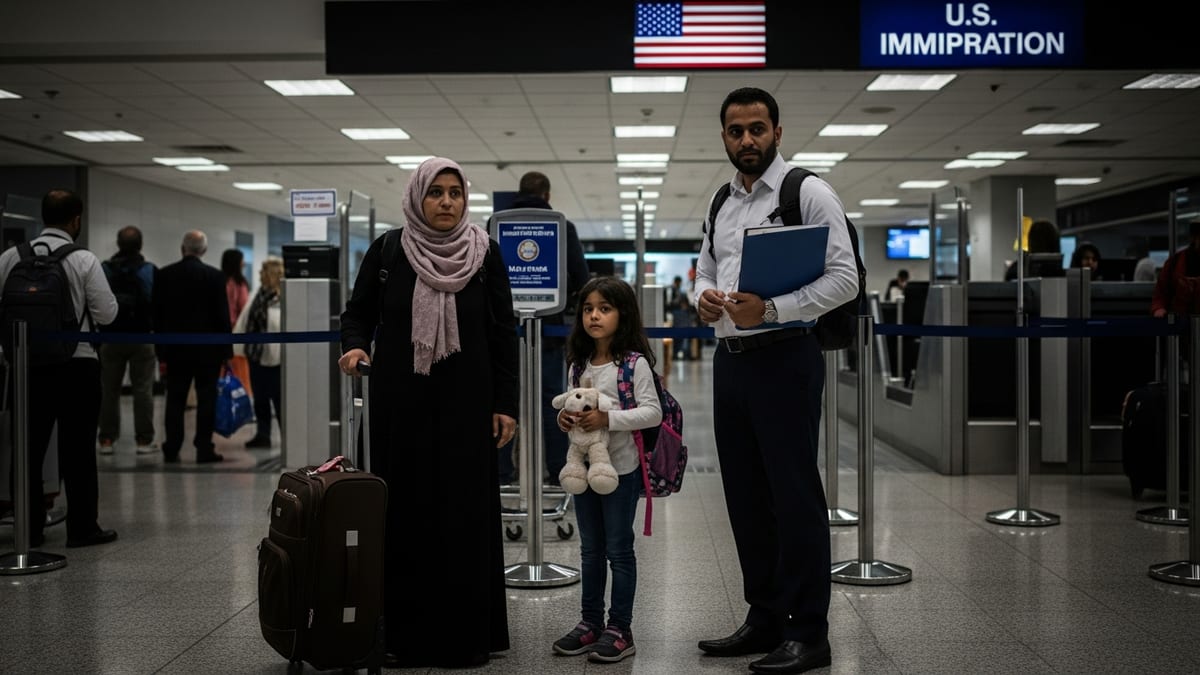
Stricter checks and complex rules for children crossing borders
Publicly available guidance from multiple governments highlights that children face additional scrutiny at borders, particularly when they travel with one parent, relatives or school groups. While requirements vary by destination, many immigration and airline checks now focus on preventing trafficking and parental child abduction, which can mean closer inspection of a minor’s paperwork and the circumstances of their trip.
Information from United States government portals notes that, in most cases, every child needs their own passport or recognized travel document rather than being added to a parent’s passport. Authorities in some countries also expect families to carry birth certificates, proof of legal guardianship or adoption records that clearly establish the relationship between the adult and the child. These extra documents can be decisive if a child has a different surname from the accompanying adult or dual nationality that raises questions about their status.
Several countries additionally require written permission for a child to travel without both parents. Public advice from border and consular services indicates that this may take the form of a notarized consent letter from the non-traveling parent, and, in some jurisdictions, an official travel clearance issued after review by social services or a court. The result is a patchwork of rules that can catch families off guard if they rely only on airline guidance or past experience.
Consumer travel coverage in recent months has highlighted incidents where families have been delayed, denied boarding or questioned at length because they could not immediately produce supporting paperwork for a minor. Reports indicate that even when children ultimately continue their journey, missed connections, rebooked tickets and last-minute legal fees can turn a holiday into an expensive ordeal.
Passport validity and last‑minute surprises at the airport
Travel information pages maintained by governments and airlines continue to warn parents about strict validity rules for children’s passports. In many destinations a passport must be valid for at least three or six months beyond the date of return travel, and children’s passports often expire sooner than adult documents. Families who discover a problem at check-in may have no way to obtain an emergency replacement in time to travel.
Advisories stress the importance of checking expiration dates long before booking nonrefundable tickets, especially because some consular services are experiencing high demand and longer processing times. Parents of dual nationals are also being reminded that a child may be required to depart one country and enter another on different passports, which adds complexity when one document is close to expiring or stored in a different location.
Case reports shared in travel forums show the impact of simple oversights, such as teenagers leaving passports at home or families misreading entry requirements. In several widely discussed incidents, trips were canceled outright when missing or invalid documents were discovered only hours before departure. The experiences underline that carriers generally will not accept a child for travel if their paperwork does not match the destination’s rules, even if immigration officers might theoretically have discretion on arrival.
Public-facing guidance from border agencies also points out that children arriving by land or sea may be allowed to use different documents than those arriving by air. This distinction can create confusion when families take cruise holidays, cross land borders on road trips, or fly one way and return by another route. Experts therefore encourage families to consider every border crossing on the itinerary, not just the first flight.
Consent letters, court orders and parental abduction concerns
Another driver of document checks is the international focus on preventing parental child abduction. Information released by law enforcement and foreign affairs agencies shows that investigators continue to handle cases where one parent takes a child abroad against the wishes of the other, sometimes using valid passports obtained years earlier. In response, courts in many jurisdictions now routinely address international travel in custody and divorce agreements.
Open guidance from consular services recommends that parents who share custody carry court orders that spell out who may travel with the child, for how long, and to which countries. Where one parent has sole custody or specific decision-making powers, a certified copy of the relevant judgment can help clarify the situation at a border checkpoint. Without such paperwork, officials reviewing a family’s travel plans may decide to halt onward travel until they can verify parental rights.
Preventive programs described by United States authorities, such as passport issuance alert systems, allow a parent to be notified if someone applies for a travel document in their child’s name. Public documentation also notes that judges can restrict a child’s international travel or require both parents’ written consent before a minor leaves the country. Families who fail to respect such orders can face serious legal consequences, separate from any immigration problems at the border.
Awareness campaigns released this year emphasize that these measures are designed to protect children rather than to discourage legitimate family trips. Nonetheless, they make clear that parents should understand any existing court orders, keep them updated, and bring copies when traveling. For separated or divorced families, confirming in writing who will hold the child’s passport and how consent for future trips will be documented can reduce the risk of conflict at check-in.
Why backups of children’s travel documents matter
Alongside calls to verify original paperwork, travel safety advice increasingly highlights the value of keeping backups. Government and consular sites encourage parents to store digital copies of children’s passports, visas, birth certificates and custody documents in secure cloud storage or encrypted devices. Having these copies readily available can speed up replacement procedures if originals are lost, stolen or damaged abroad.
Consumer travel reporting and popular advice columns frequently recount cases where digital backups helped stranded families. In several examples, parents who could quickly send scans of missing passports or consent letters to an embassy or airline were able to establish identity, support emergency travel documents or prove an existing right to travel with a child. While copies do not replace originals, they can significantly reduce disruption when something goes wrong.
Guidance also suggests leaving copies of key documents with a trusted person at home who can be reached regardless of time zones or connectivity problems. This approach provides an additional fail-safe if a device is lost or a traveler cannot access their own backups because of forgotten passwords or technical failures. Printed photocopies kept separate from the originals, such as in hotel safes, can provide another layer of resilience.
Security specialists caution, however, that sensitive information must be stored carefully. Public advisories recommend using password-protected files, secure cloud services and, where possible, multifactor authentication. Parents are also urged to avoid sharing images of children’s passports or boarding passes on social media, as these can expose personal data or travel patterns to unintended audiences.
Practical steps for families planning trips with children
In light of the evolving landscape, travel experts and official guidance converge on several practical steps for parents. The first is to research requirements for every country on the itinerary, including transit points, using up-to-date information from embassies, consulates and government travel portals. Rules published even a year ago may not reflect current practice, particularly where child protection policies have tightened.
Second, families are advised to assemble a dedicated travel folder for each child containing their passport, any required visas, a birth certificate or adoption record, relevant court orders, and consent letters from non-traveling parents or guardians. Keeping these documents together reduces the risk of leaving something behind and helps adults produce the right papers quickly when asked.
Third, publicly available advice highlights the importance of building in time before departure to resolve issues, such as renewing a soon-to-expire passport or obtaining notarized consent. Some social services departments and courts advise applying for special travel clearances 30 days or more before the intended trip, especially during peak seasons when applications surge. Last-minute requests can be delayed by backlogs, incomplete paperwork or the need for additional checks.
Finally, experts recommend rehearsing with older children what to expect during border inspections, including questions that may be directed to them about their relationship to the accompanying adult and the purpose of their trip. Clear, age-appropriate explanations of why officials ask these questions, and reassurance about the documents being carried on their behalf, can help make the process less intimidating while reinforcing the importance of responsible travel planning.