


More news on this day
Passenger rail services on two regional lines in western Hungary are set to resume, restoring direct train connections for several communities that have relied on replacement buses and longer detours in recent months.
Get the latest news straight to your inbox!
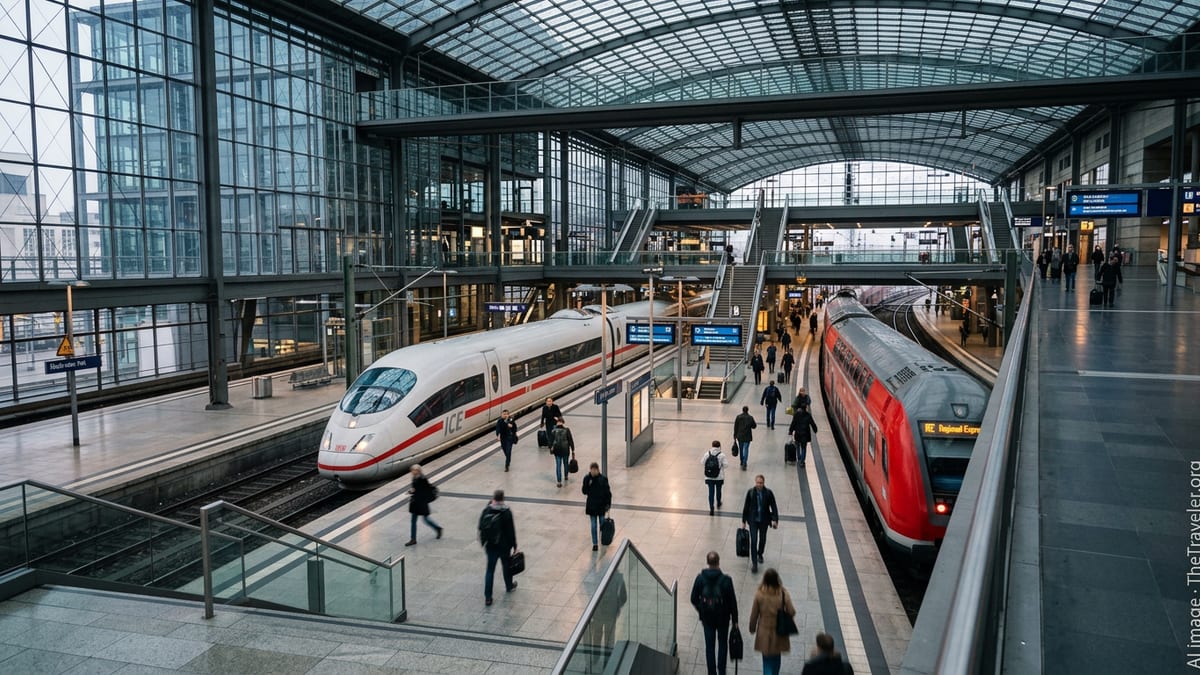
Key regional links come back on the timetable
According to published coverage, regular passenger services will restart on sections of two regional routes that play an important role in western Hungary’s local rail network. The move follows months of reduced operations, during which buses and altered train paths covered journeys while infrastructure works progressed.
Reports indicate that the Csorna–Pápa line in the Győr–Sopron–Ebenfurth Railway (GYSEV) network and the Veszprém–Ajka section of the national Line 20 are among the routes affected by the latest changes. Together they provide connections between smaller towns and larger hubs that offer onward links to Budapest and other parts of the country.
Publicly available information shows that the resumption of passenger services is being framed as part of a broader strategy to stabilise regional timetables ahead of the peak summer travel season. The affected lines serve both daily commuters and leisure travellers heading towards the Bakony hills and the wider Transdanubian region.
While detailed frequency tables vary by route, the return of trains is expected to improve reliability compared with recent periods of mixed bus and rail replacement, when journey times were often longer and transfers more complex.
Infrastructure upgrades pave the way for trains
On the Veszprém–Ajka rail corridor, regional services have been limited by ongoing track repairs and related works. Local media reports describe how stretches of the line required structural improvements before passenger operations could safely resume at normal speeds.
The completion of key engineering tasks has allowed trains to return to the full length of the section after a prolonged spell in which buses substituted for rail between certain stations. This shift back to rail is expected to deliver smoother journeys and more predictable travel times for residents who depend on the route for access to jobs, education and services.
Similarly, the Csorna–Pápa line has been undergoing operational changes linked to the gradual expansion of GYSEV’s responsibilities in western Hungary. Rail industry outlets note that the company is taking over passenger operations on additional regional routes, a change designed to concentrate service planning and infrastructure coordination within a single operator in the area.
The restart of passenger services on both lines follows a period when Hungarian rail networks have experienced a series of short term disruptions elsewhere, often caused by technical failures and severe weather. By contrast, the latest developments on these regional routes are tied to planned investment and reorganisation rather than emergency repairs.
Stronger links to national and international routes
The regional lines where passenger services are being restored also function as feeders to larger national rail arteries. In the case of Veszprém–Ajka, the corridor connects with routes that lead towards Budapest to the east and towards western Hungary in the opposite direction, allowing passengers to reach longer distance services with a single change.
In western Transdanubia, the Csorna–Pápa line helps knit together smaller communities with Győr and other hubs that lie on international corridors. GYSEV’s growing role in operating these local trains comes as cross border connections between Hungary and neighbouring countries continue to develop, with modernisation projects under way on several main lines.
Improved regional services can make national and international trips more attractive by shortening the “last mile” to major stations. For many passengers the ability to travel by a single rail ticket from a local town to a distant city, using timed connections, is a significant factor in choosing rail over private car travel.
Reports suggest that transport planners see these regional links as part of a broader effort to stabilise passenger rail after a succession of high profile disruptions on other key corridors. Restoring dependable local services is viewed as a step towards rebuilding confidence among regular users.
Local communities and summer travellers benefit
The return of trains on the two western Hungarian regional lines is expected to be particularly significant for daily travellers who faced longer and less predictable commutes during the period of bus replacement. For many, the restored services will mean shorter door to door journeys and less time spent transferring between modes.
The timing also matters for seasonal travel. Western Hungary, including the Bakony region and areas within reach of Lake Balaton, attracts visitors for hiking, countryside tourism and summer events. Direct trains from regional towns to larger junctions can make it easier for holidaymakers to plan itineraries that combine local exploration with trips to Budapest or other cities.
Publicly available information highlights that the reintroduced services form part of a rolling series of timetable and infrastructure adjustments across the Hungarian network in 2026. While some main lines continue to experience temporary slowdowns or replacement buses because of maintenance and technical issues, the reopening of these regional routes marks a rare piece of positive news for passengers who rely on everyday rail connections.
Transport observers note that performance in the coming months will be closely watched by rail users. If the resumed services prove reliable through the busy summer period, they could serve as a template for how carefully planned infrastructure works and operator changes can ultimately produce more stable regional rail for Hungarian communities.