


More news on this day
Philippine Airlines is set to join the Oneworld alliance as its 16th member, a 2026 move that is expected to deepen the Philippines’ global air links and broaden travel options for international and domestic passengers.
Get the latest news straight to your inbox!
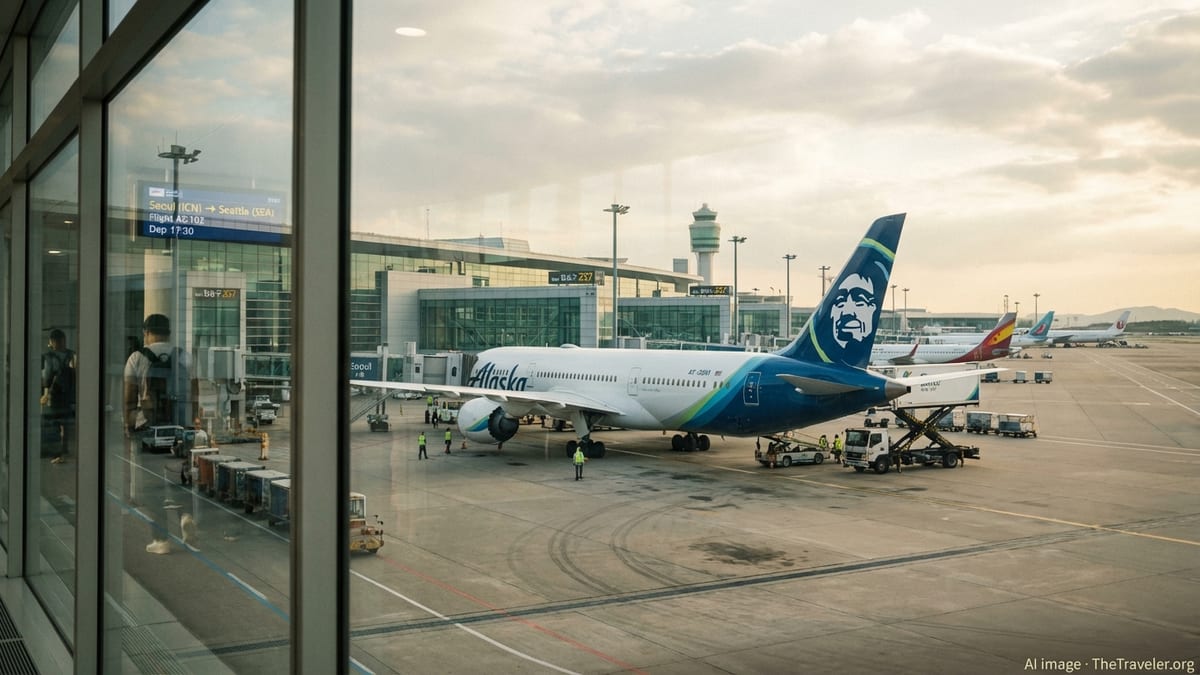
Alliance Entry Marks New Phase for Philippine Flag Carrier
Oneworld announced in early June 2026 that Philippine Airlines would become the alliance’s newest full member, following the signing of a memorandum of understanding during the International Air Transport Association’s annual general meeting in Rio de Janeiro. Publicly available information from Oneworld and Philippine Airlines indicates that the membership process is now underway, with full integration targeted for 2026.
The development positions Philippine Airlines as only the second Southeast Asian full member of Oneworld, alongside Malaysia Airlines. Aviation analysts note that the decision fills a long-standing gap in alliance coverage in the fast-growing Philippine market, where Oneworld carriers such as American Airlines, British Airways, Cathay Pacific and Japan Airlines already operate extensive networks.
The airline, founded in 1941, emerged from a pandemic-era restructuring with a renewed focus on long haul operations from its Manila hub to North America, the Middle East and Australia. Its upcoming alliance membership is widely viewed as a strategic tool to strengthen those routes through new partnerships and coordinated schedules.
Oneworld materials describe Philippine Airlines as operating a modern fleet and serving close to 70 destinations in nearly 20 countries and territories, with Manila, Cebu and other Philippine gateways expected to act as key connection points within the alliance’s broader global network.
Expanded Network Access and New Philippine Destinations
According to information released by Oneworld, Philippine Airlines’ entry will add a range of new points in the Philippines to the alliance map, including leisure gateways such as Caticlan, the main air access point for Boracay, Puerto Princesa in Palawan, and Tawi Tawi in the country’s far south. Industry observers highlight that these destinations were previously difficult to reach on a single ticket for many Oneworld loyalists.
By combining Philippine Airlines’ domestic network with long haul services operated by existing alliance members, travelers flying from North America, Europe and the Middle East are expected to gain smoother one stop itineraries to beaches and secondary cities across the archipelago. The integration is likely to support tourism objectives in the Philippines by making multi destination trips that mix Manila, Cebu and resort areas easier to book and price.
For Oneworld, the addition of Philippine Airlines reinforces coverage in a region where passenger demand has rebounded strongly and competition between alliances remains intense. The combined Oneworld network spans nearly 1,000 destinations worldwide, and reports indicate that Philippine Airlines will contribute several dozen unique city pairs, particularly within the Philippines and selected regional markets.
Travel industry commentary also notes that stronger alliance connectivity could spur additional capacity and route development, including potential new services linking Manila with secondary cities in North America and Europe via Oneworld partner hubs.
Loyalty Benefits for Mabuhay Miles and Oneworld Frequent Flyers
A key aspect of the move is the planned integration of Philippine Airlines’ Mabuhay Miles program into the Oneworld frequent flyer framework. Based on alliance practices with other members, industry coverage indicates that Mabuhay Miles members will eventually be able to earn and redeem miles across the entire Oneworld network and enjoy tier based benefits such as priority check in, boarding and baggage handling when flying on partner airlines.
Travel and aviation publications report that, once integration is complete, elite Mabuhay Miles members are expected to gain access to hundreds of airport lounges operated by Oneworld carriers worldwide, while Oneworld Emerald and Sapphire cardholders will receive reciprocal benefits when flying with Philippine Airlines. This change is seen as particularly significant for Philippine travelers who rely on connections through major hubs like Hong Kong, Tokyo, Doha, London and Dallas.
For the alliance, the addition of a sizable Philippine customer base brings new frequent flyers into the shared ecosystem. Analysts note that this may increase competition for premium travelers in Southeast Asia, especially on routes to North America and the Gulf, where Philippine Airlines and other Oneworld members are already active.
Credit card partnerships and co branded products linked to Mabuhay Miles are also expected to become more attractive to internationally focused Filipino consumers once global earning and redemption options are fully aligned with Oneworld standards.
Competitive Implications in Southeast Asia and Beyond
Philippine Airlines’ decision to join Oneworld changes the competitive landscape among the world’s three major airline alliances in Southeast Asia. Star Alliance and SkyTeam already count several members and partners in the broader region, but had no full member based in the Philippines. With Manila now joining the Oneworld network at alliance level, analysts point to a clearer differentiation in how each alliance covers the region.
Oneworld has in recent years pursued selective expansion, adding airlines such as Alaska Airlines, Hawaiian Airlines, Oman Air and Fiji Airways, while deepening relationships with existing Asian members. The invitation to Philippine Airlines is widely interpreted as part of this strategy, giving the alliance stronger positioning along trans Pacific and intra Asian corridors that involve Philippine traffic flows.
For Philippine Airlines, alliance membership provides a structured framework for deepening existing codeshares and launching new partnerships. Aviation media note that the carrier has already maintained a web of bilateral agreements, many with Oneworld members, and that bringing these into a single alliance structure may yield operational efficiencies, more consistent customer service standards and coordinated schedules on key trunk routes.
Observers also flag that the move could catalyze infrastructure and service upgrades at Philippine airports, as alliance standards typically require harmonized processes for through check in, baggage handling and premium passenger facilities. Any such improvements would benefit not only alliance travelers but also the wider flying public.
Impacts on Philippine Tourism, Trade and the Diaspora
Tourism and trade stakeholders are watching the alliance development closely for its potential to support growth sectors in the Philippine economy. Publicly available commentary from business groups suggests that easier access from hubs in North America, the Middle East and Europe could encourage more leisure and investment travel, particularly to secondary cities and emerging destinations that Philippine Airlines serves.
The Philippines relies heavily on remittances from millions of overseas Filipino workers, many of whom regularly commute between job locations abroad and home provinces. With Philippine Airlines set to plug directly into Oneworld partners that serve labor markets in the Gulf, North America and parts of Europe, travel planners expect more seamless journeys for this diaspora segment, with through ticketing and coordinated schedules easing connections.
Trade analysts also point out that improved passenger connectivity often correlates with increased business travel and cargo flows. While alliance membership primarily addresses passenger services, closer relationships with large global carriers can support joint marketing and scheduling decisions that indirectly facilitate cross border commerce.
As the integration process advances through 2026, the focus will shift to the practical rollout of new benefits, schedules and products. For now, the invitation of Philippine Airlines into Oneworld signals a notable strengthening of the Philippines’ position on the global aviation map and reflects renewed confidence in the country’s flag carrier as an international connector.