


More news on this day
Holidaymakers flying from Manchester to Turkey report being left stranded after an easyJet pilot was taken sick shortly before departure, with a replacement service later diverting to Milan and leaving passengers hundreds of miles from their destination.
Get the latest news straight to your inbox!
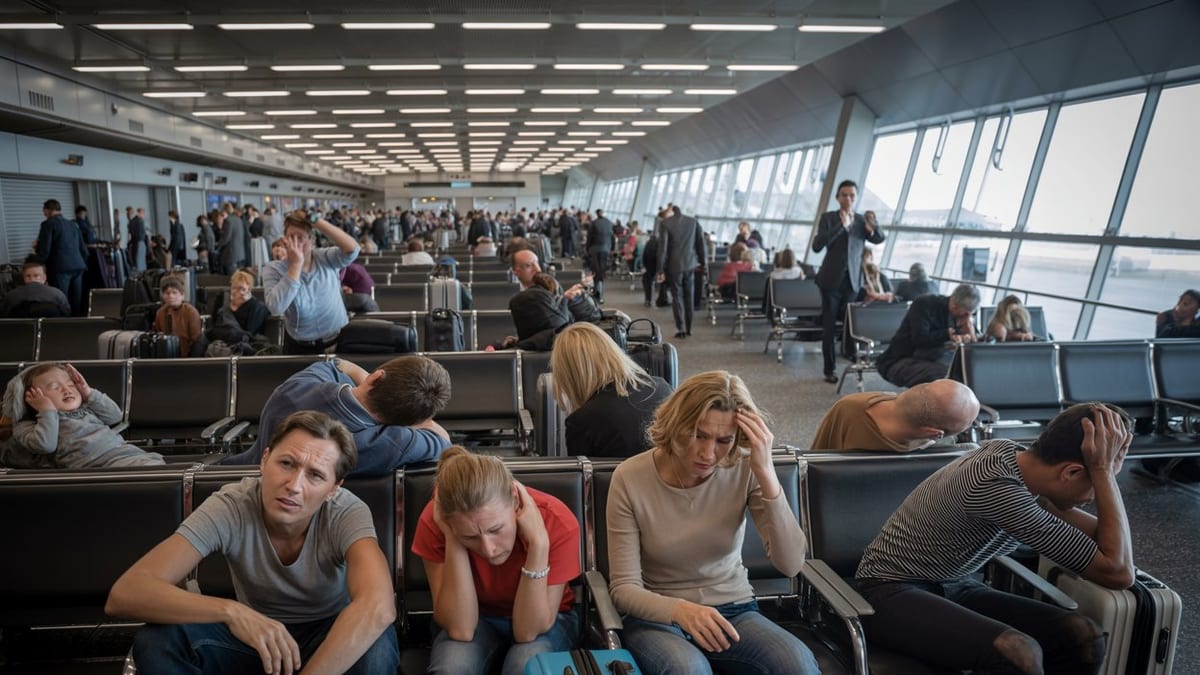
Runway cancellation after last-minute pilot sickness
Passengers booked on an easyJet flight from Manchester to Antalya described how their holiday plans collapsed within minutes when the service was cancelled on the runway, reportedly because the pilot fell ill just before departure. According to published accounts, travellers had already boarded airport buses and were preparing to step onto the aircraft when they were told to return to the terminal instead.
Reports from those on board indicate that ground staff advised the pilot had called in sick and that the aircraft could not depart without a replacement crew. The turnaround happened so late in the process that some passengers say they believed they were only minutes away from take-off when the news filtered through.
Publicly available coverage of the incident highlights the confusion that followed, with families attempting to rebook seats, secure overnight accommodation or seek alternative routes to Turkey at the height of the summer holiday season. With many flights already full, some travellers reported facing long delays, extra costs and uncertainty over when they would reach their resorts.
Industry reporting notes that pilot sickness at such a late stage can be particularly disruptive on leisure routes that operate close to crew duty-time limits, leaving airlines with few spare pilots immediately available at the departure airport.
Replacement flight diverted to Milan, extending disruption
After the original departure from Manchester was cancelled, a replacement service was arranged, but passengers have said that this second flight was later diverted to Milan instead of continuing on to Antalya. Coverage in regional and online outlets states that the aircraft landed in northern Italy, around 1,200 miles from the intended Turkish destination.
Accounts from travellers suggest the diversion left many passengers overnight in an unfamiliar airport, queuing for information, meal vouchers and hotel rooms. Some families with young children were reportedly prioritised for accommodation, while others say they remained in the terminal or nearby hotels while waiting for further instructions.
Reports indicate that easyJet provided food vouchers and began moving fresh crew to Milan so that the journey could eventually continue. However, the additional wait, uncertainty over luggage and the need to reorganise onward travel in Turkey all added to the frustration for those on board.
Travel commentators point out that diversions can be triggered by a mix of operational issues, including crew duty limits, weather and air-traffic constraints, and that once an aircraft is no longer able to reach its planned destination within those limits, airlines may opt to land at an intermediate airport where replacement crew or better slot availability can be arranged.
Passenger rights on cancellations and diversions
The events surrounding the Manchester to Antalya flight have renewed interest in what protections exist for travellers under UK and EU-style air passenger regulations. Guidance from consumer-rights specialists explains that when a flight is cancelled, airlines must generally offer passengers a choice between a refund and rerouting at the earliest opportunity, as well as care such as meals and, where necessary, hotel accommodation.
Compensation payments, however, depend on the cause of the disruption. Legal and consumer resources note that if a cancellation or long delay is the result of so-called extraordinary circumstances beyond the airline’s control, such as certain types of unexpected medical emergencies, standard compensation may not be payable. When disruption stems from crew-scheduling or operational decisions that could reasonably have been avoided, passengers may have stronger claims.
Specialist advisories emphasise that each case is assessed on its specific facts, including how much notice was given, the length of the delay, and whether the airline took all reasonable steps to prevent the problem or mitigate its impact. Travellers are often encouraged to keep receipts, booking confirmations and written communications from the airline to support any later claim.
Several independent platforms provide tools allowing passengers to check their potential entitlement based on flight number, date and route, helping them to understand whether they may qualify for compensation, reimbursement of expenses, or both.
Operational pressure on busy Manchester holiday routes
Manchester Airport is one of easyJet’s key UK bases, with a network heavily weighted toward popular leisure destinations. Aviation analysts note that high demand, tight turnarounds and limited spare crew can make the system vulnerable when something unexpected happens, such as sudden pilot or crew illness.
Recent seasons have seen a series of high-profile disruption stories affecting low-cost carriers operating from Manchester, including diversions, weather-related delays and congestion at European airports. While such incidents affect only a small fraction of overall flights, they can be highly disruptive for those involved, especially when they occur at the start of a long-planned holiday.
Commentary from travel-industry observers suggests that airlines have sought to build more resilience into their schedules following the post-pandemic travel rebound, including additional standby crew and more conservative turnaround times on some routes. However, constraints on aircraft and staff availability, particularly in peak periods, mean that unforeseen events can still cascade through an airline’s daily programme.
Publicly available information from airline financial and operational disclosures highlights the ongoing effort across the sector to balance cost control with reliability, as carriers try to keep fares competitive while also reducing the risk of cancellations and severe delays when issues arise.
What affected travellers can do next
For passengers on the disrupted Manchester to Antalya journey, the immediate priority is often securing clarity on new travel plans, lodging any compensation or expense claims, and updating accommodation providers or tour operators at their destination. Consumer advice services typically recommend contacting the airline first to request written confirmation of the reason for the disruption and details of any rerouting or refunds offered.
Specialist claims organisations and legal-information sites outline common next steps, including submitting an online claim directly to the airline, escalating complaints to alternative dispute resolution bodies where available, or, in some cases, seeking guidance from national enforcement agencies. Travellers are generally advised to act promptly, as limitation periods apply to compensation claims in many jurisdictions.
Travel advisers also suggest that those with comprehensive travel insurance review their policies to see whether additional costs, such as missed hotel nights or replacement flights on other carriers, may be covered when schedules go badly wrong. Policies vary widely, so the scope of cover often depends on the specific wording and any exclusions related to airline operational problems.
The Manchester incident underscores the importance for passengers of understanding both airline obligations and their own protections before they travel, particularly during peak holiday periods when replacement options can be limited and disruption may have knock-on effects for connecting trips, cruises or package holidays.