


More news on this day
Passengers traveling through Pittsburgh International Airport on June 19 faced mounting disruption as a wave of 72 flight delays and 6 cancellations affected services operated by major U.S. carriers and their regional partners.
Get the latest news straight to your inbox!
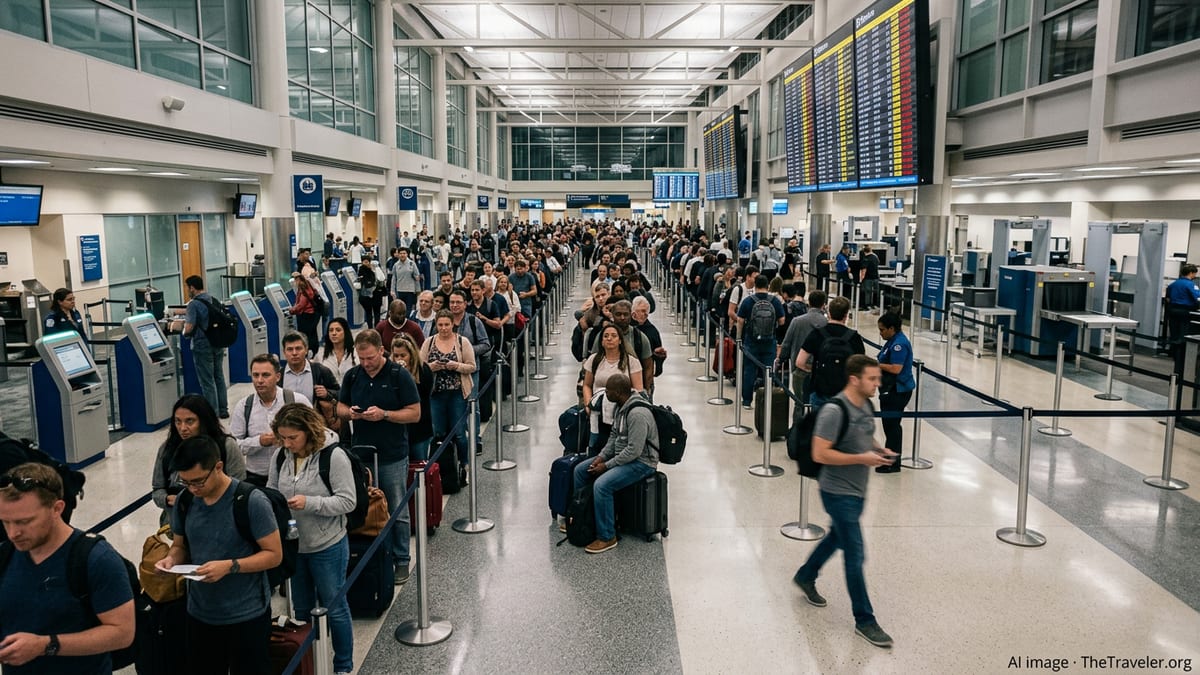
Multiple Airlines Affected Across Major U.S. Carriers
Public flight-tracking boards for Pittsburgh International Airport on June 19 show disruption spread across the country’s largest airlines, including American Airlines, Delta Air Lines, United Airlines, Southwest Airlines, Spirit Airlines, and several regional affiliates. The pattern of delays and cancellations indicates that the impact is not limited to a single carrier or route, but is instead distributed across the domestic and international network that connects Pittsburgh with key hubs.
Operational data for the day list 72 delayed departures and arrivals involving Pittsburgh, alongside 6 outright cancellations. These issues affect a mix of mainline jets and regional aircraft, with the latter often operating feeder services into large connecting hubs. When a single flight is delayed or scrubbed, the knock-on effect can quickly spread through an airline’s schedule, especially during already busy summer travel periods.
The disruptions are particularly visible in services operated by carriers that dominate U.S. domestic connectivity, such as American, Delta, and United, as well as low-cost operators like Southwest and Spirit. In several cases, delayed flights into Pittsburgh forced later departures to be pushed back, while a small number of rotations were removed from the schedule entirely when aircraft or crews could not be repositioned in time.
Publicly available information from airline status feeds suggests that many of the affected services were short and medium haul flights, which airlines sometimes adjust more aggressively when bottlenecks appear in their wider networks.
Key Routes to Toronto, New York, Atlanta, Chicago, Denver, and London Disrupted
The ripple effects at Pittsburgh International Airport reached several of North America’s most important aviation markets. Flights serving Toronto, New York, Atlanta, Chicago, Denver, and London were among those disrupted, affecting passengers on both sides of the border and across the Atlantic.
Services linking Pittsburgh with New York’s major airports are particularly vital for business and connecting traffic. Delays on those routes can cause missed onward flights to domestic and international destinations, forcing travelers to be rebooked later in the day or even on subsequent dates. Similarly, Chicago and Atlanta are among the busiest hubs in the United States, and any hold-ups on those connections can reverberate widely through airline networks.
Transatlantic flights, such as those connecting Pittsburgh with London, tend to be more resilient to cancellation because of regulatory requirements and higher costs associated with scrubbing long-haul international services. However, even modest delays or equipment changes on such routes can complicate crew scheduling and aircraft rotations, contributing to wider timetable pressures for the airlines involved.
For travelers heading to Denver and other western destinations, delays into hub airports can threaten tight connections onward to secondary cities, ski resorts, and national parks at the height of the summer travel season. The broader impact of a delayed Pittsburgh departure can therefore extend far beyond the immediate origin and destination pair.
Weather, Congestion, and Knock-on Effects Across the Network
Reports on national aviation conditions indicate that summer thunderstorms and unsettled weather patterns across parts of the United States have been triggering ground delay programs and traffic management initiatives at several major hubs. When those controls are introduced, flights may be held at their departure airports or slowed in the air, creating a cascade of late arrivals into downline stations such as Pittsburgh.
Industry analyses show that large hubs like Chicago O’Hare and Denver International Airport regularly experience elevated levels of weather-related delays. When storms or low clouds move across these regions, airlines often prioritize longer-haul and international operations, resulting in regional and short-haul services being pushed back or canceled to free up capacity and crews.
Publicly accessible commentary from aviation observers also notes that regional flights operating on behalf of large carriers are often the first to be canceled when weather or airspace constraints tighten. This pattern aligns with the mix of disruptions at Pittsburgh International Airport, where several smaller-city feeder services appear among the affected flights alongside higher-profile mainline routes.
In addition to weather, the current summer travel period is driving heavy passenger volumes across the United States. High demand leaves airlines with less slack in aircraft and crew availability, meaning that even minor operational issues at one hub can cause disproportionate disruption at outstations later in the day.
Impact on Passengers and Airport Operations
The combination of delays and cancellations at Pittsburgh International Airport has tangible consequences for travelers and local airport operations. Passengers on affected flights face extended time in terminals, missed connections, and, in some instances, the need for overnight accommodation or rebooking on alternative routings. Those with tight schedules for business meetings, events, or cruise and tour departures are particularly exposed when early-morning disruptions cascade into the afternoon and evening.
From an operational perspective, clusters of delayed departures can strain gate availability and ground-handling resources. When multiple flights are held during the same time window, congestion can develop around security checkpoints, boarding areas, and baggage claim facilities, even if the airport itself remains open and technically unconstrained. Airport management and airline station teams must then adjust staffing, reroute aircraft to remote stands when necessary, and coordinate with carriers’ system operations centers to sequence departures as efficiently as possible.
Public displays and airline mobile applications show that some passengers are being accommodated on later flights the same day, while others are offered itineraries that route them through different hubs or even different carriers under interline agreements. Travelers with flexible plans may accept substantial schedule changes, while those on tighter timelines face limited options once flights near capacity.
Travelers are also contending with the secondary effects of disruption, including limited seat availability on alternative services, longer queues at customer service desks, and the need to adjust hotel bookings and ground transportation arrangements at their destinations.
What Travelers Can Do as Disruptions Continue
Public guidance from airline customer information channels suggests that passengers traveling through Pittsburgh International Airport on days of heavy disruption should monitor their flight status frequently using official airline apps, text alerts, and airport departure boards. Same-day schedule changes are common in such conditions, and early awareness of a delay or cancellation can give travelers a better chance of securing alternative arrangements.
Industry best practices recommend that passengers with critical connections or time-sensitive commitments build additional buffer into their itineraries, particularly when flying through weather-prone hubs or during peak summer travel dates. Booking longer connection times, traveling earlier in the day, and avoiding the final flight on a route can reduce the risk of being stranded overnight when irregular operations develop.
Travel insurance and credit card travel protections may also offer some support in the event of extended delays, missed connections, or cancellations. Coverage terms vary, and passengers are generally advised to review their policies in advance to understand what costs, such as hotels, meals, or rebooking fees, might be eligible for reimbursement.
With forecasts indicating more unsettled summer weather across parts of the United States, observers expect the broader pattern of intermittent disruption to continue. For travelers using Pittsburgh International Airport, proactive planning, flexible itineraries, and frequent status checks remain the most practical tools for navigating a day marked by 72 delays and 6 cancellations across multiple major airlines and key routes.