


More news on this day
Passengers at Norfolk International Airport in Virginia faced an unexpectedly long day of disruptions as dozens of flights from major U.S. hubs were delayed or canceled, stranding travelers across concourses and forcing last-minute changes to summer plans.
Get the latest news straight to your inbox!
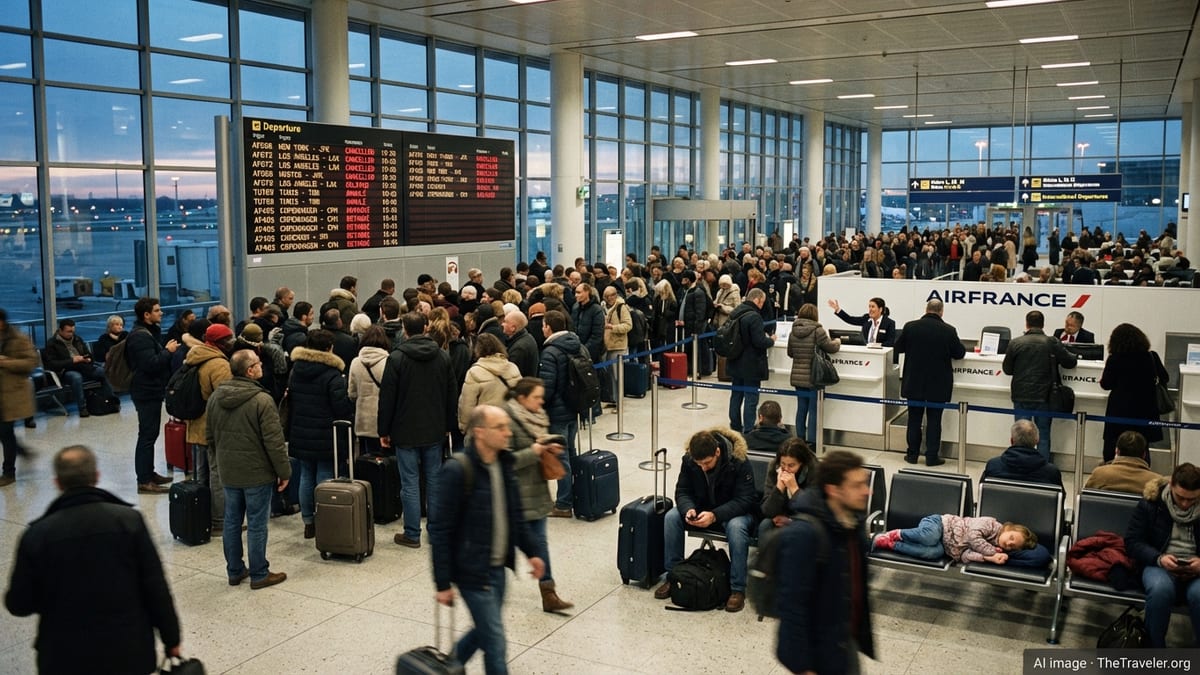
Dozens of Flights Affected at Norfolk International
Publicly available flight-tracking boards for Norfolk International Airport on Wednesday showed a cluster of delays and cancellations rippling through the schedule, with a combined tally of 36 delayed departures and arrivals and seven outright cancellations over the course of the day. The disruption affected services operated by American Airlines, Delta Air Lines, Southwest Airlines, JetBlue Airways and other domestic carriers serving the coastal Virginia city.
Many of the impacted flights were routed through some of the country’s busiest hubs, including Atlanta, Charlotte, Dallas and New York area airports. As delays stacked up, passengers arriving from or departing to those cities were left in terminals watching departure times repeatedly slip, while some services disappeared from the boards altogether.
The pattern of disruption at Norfolk mirrored broader strains routinely seen across the U.S. network during peak travel months, where a handful of schedule adjustments at key hubs can quickly cascade into localized bottlenecks at medium-sized airports.
Travelers Face Long Waits and Limited Options
The wave of delays at Norfolk translated into long waits at gates and customer service counters as travelers sought rebooking options, hotel vouchers or alternative routing to their destinations. With multiple carriers adjusting schedules at once, replacement seats on later services proved difficult to secure for some passengers, particularly those traveling on popular evening departures back to major cities.
Families beginning vacations, military personnel transiting to and from nearby installations and business travelers working against meeting deadlines were among those affected. Photos and descriptions shared on social media depicted crowded seating areas and passengers camped out near power outlets in an effort to keep devices charged while they monitored shifting flight information.
For travelers whose flights were among the seven cancellations, options often involved either accepting next-day departures, connecting through less direct routings, or seeking ground transportation to larger airports within driving distance. Those choices carried added lodging and transport costs that are not always fully covered by standard airline policies.
Knock-on Effects from Major U.S. Hubs
Norfolk’s reliance on a limited number of high-traffic hub connections meant that disruptions upstream had an outsized impact on the day’s schedule. Delays in aircraft and crew arriving from Atlanta, Charlotte, Dallas and New York contributed to late turnarounds and missed slots, which in turn pushed back onward departures.
According to published coverage and operational data from recent travel seasons, these hubs frequently experience congestion during peak periods, where storms, air traffic control programs or ground delays can slow operations and force airlines to prioritize certain routes. A single aircraft running late on several earlier segments can arrive in Norfolk hours behind schedule, leaving little flexibility to recover lost time.
When multiple airlines are affected simultaneously, as was the case in Norfolk, the range of alternative itineraries narrows quickly. Travelers may find that flights on different carriers are subject to similar time shifts, making it difficult to simply switch to another airline to avoid a delay.
Passengers Turn to Rights and Remedies
As the disruption unfolded, many passengers turned to airline apps and customer service channels to understand what remedies might be available. U.S. carriers publish customer service commitments that outline what travelers can expect in terms of rebooking, meal vouchers or hotel accommodations in the event of significant delays or cancellations, particularly when issues are within an airline’s control.
Consumer advocates routinely advise travelers to document delay times, keep receipts for unexpected expenses and review the specific policies of their carrier, since compensation and support can vary between airlines and depend on the cause of the disruption. In some cases, credit card travel protections or separate travel insurance policies may offer additional reimbursement for missed connections or extra overnight stays.
While many stranded travelers in Norfolk ultimately secured new itineraries, the process often involved extended time on hold, multiple visits to service desks, or managing rebookings independently through mobile tools. The experience underscored the value of knowing both airline policies and alternative routing options before a trip begins.
Norfolk’s Growing Role in a Stressed Air Network
Norfolk International serves the Hampton Roads region of coastal Virginia, a market that blends tourism, military, port-related business and local travel demand. In recent years, published airport data has pointed to steady passenger growth, driven in part by expanded service to major hubs and popular leisure destinations.
That growth, while positive for connectivity, also leaves the airport more exposed to systemwide pressures across the U.S. aviation network. When carrier schedules are tight and aircraft utilization is high, even routine summer thunderstorms or minor technical issues can lead to a cascade of late arrivals and disrupted departures at airports like Norfolk that rely on a limited pool of daily flights.
The latest wave of 36 delays and seven cancellations will likely be recorded as another data point in a broader pattern of volatile travel days experienced across the country’s air system. For travelers passing through Norfolk, it served as a reminder that careful planning, flexible itineraries and real-time monitoring are increasingly important when flying during the busiest months of the year.