


More news on this day
Atlanta is entering one of its busiest stretches of the 2026 FIFA World Cup, with intensified police patrols across downtown, expanded security operations around fan events and mounting delays at Hartsfield-Jackson Atlanta International Airport combining to test the city’s preparedness for a global influx of visitors.
Get the latest news straight to your inbox!
Street Presence Rises as Crowds Swell Around Fan Zones
Publicly available information shows that law enforcement agencies have stepped up visible patrols around downtown Atlanta as the FIFA Fan Festival at Centennial Olympic Park heads into its final week of programming. Mounted units and additional foot patrols have been deployed in and around the park and nearby streets, coinciding with rising daily attendance for match screenings and concerts.
Reports from local coverage indicate that the expanded presence includes officers on horseback weaving through pedestrian corridors near the festival perimeter, where security screening points, bag checks and controlled entry are already in place. The enhanced patrols are designed to respond quickly to crowd surges, medical calls and minor disturbances as tens of thousands of supporters move between the park, nearby bars and public transit stations.
City documents and recent briefings describe the security posture as part of a broader plan developed over several years, with Atlanta’s police department coordinating with state and federal partners as well as neighboring jurisdictions. The strategy emphasizes both high-visibility patrols and behind-the-scenes monitoring of major gathering points, including World Cup viewing parties scattered across intown neighborhoods.
Local visitor guides and business toolkits prepared ahead of the tournament encouraged downtown businesses to anticipate heavier patrol activity around closing time, particularly on late-match nights and on days when concerts stretch into the evening. The result this week is a noticeable shift in the feel of central Atlanta, as jerseys and flags mix with bike units, cruisers and mounted details at nearly every major intersection.
Layered World Cup Security Extends from Stadium to Skyline
Security operations in Atlanta this week extend well beyond the footprint of Mercedes-Benz Stadium. The official FIFA Fan Festival is serving as a central gathering point throughout the tournament, with large video screens, sponsor activations and live performances drawing steady waves of visitors on both match and non-match days. Organizers have capped daily attendance and rely on controlled entry, bag policies and a sizable private security workforce backed by local law enforcement.
According to published coverage of the city’s World Cup safety plan, Atlanta’s Joint Operations Center has been activated for the duration of the tournament, linking local agencies with federal partners involved in counterterrorism, cyber defense and airspace enforcement. National reports on World Cup host cities note that federal agencies have already seized hundreds of unauthorized drones near stadiums and fan zones across the United States, reflecting the tight restrictions placed on airspace around major venues.
City and state transportation planning has also been folded into the security picture. Public information from transit briefings highlights adjusted MARTA rail and bus service on match days, along with temporary street closures, restricted parking and designated rideshare zones downtown. These measures are intended to reduce vehicle congestion near the stadium and fan festival, but they also reshape how both residents and visitors move through the city center during peak hours.
Guidance directed at businesses and neighborhood groups ahead of the tournament urged flexibility on work schedules and deliveries, with the expectation that rolling security perimeters and roadblocks could shift on short notice. That planning is being tested this week as the global spotlight remains fixed on Atlanta and the knockout rounds drive even more interest in the city’s official fan experiences.
Airport Delays Reflect Strain on Global Gateway
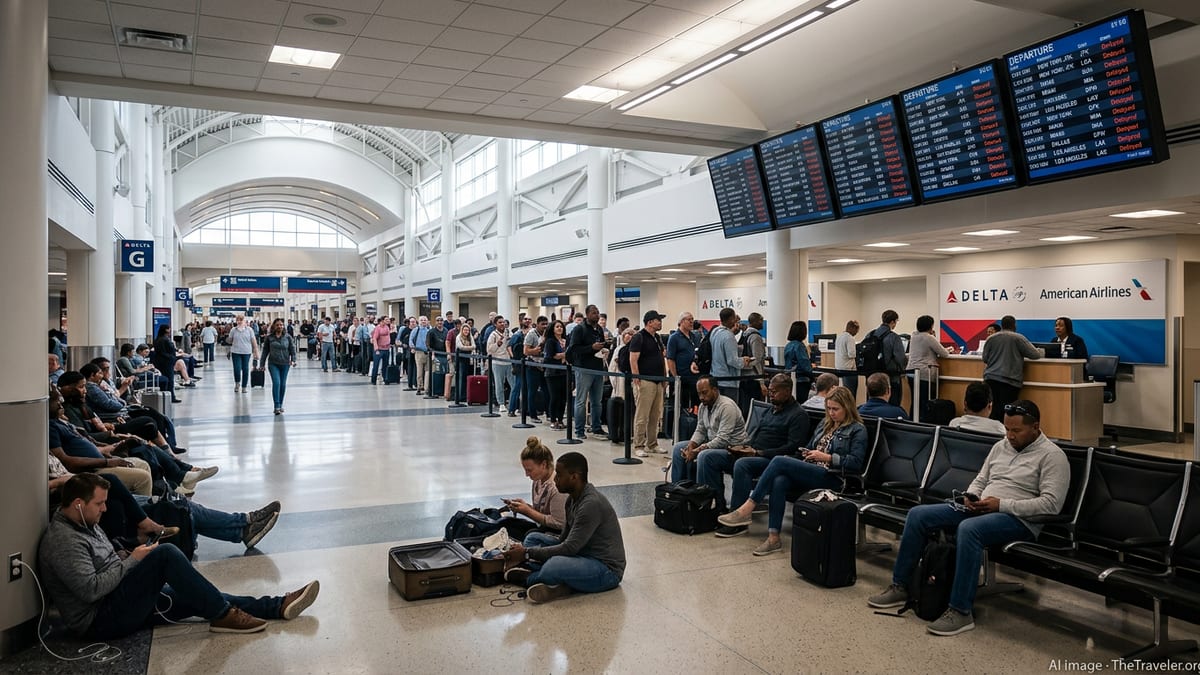
While downtown Atlanta manages dense crowds on the ground, Hartsfield-Jackson Atlanta International Airport continues to feel the strain of heightened summer travel layered on top of World Cup demand. As one of the world’s busiest passenger hubs, the airport was already bracing for heavy volumes in July, and the tournament has added complex security and operational pressures.
Federal aviation data and recent performance reports point to construction and airfield improvement projects that reduce runway flexibility and can amplify delays during peak periods or disruptive weather. These constraints, combined with fuller international arrivals and additional charter flights connected to World Cup teams, media and supporters, are contributing to longer taxi times, periodic gate holds and crowded security queues.
Travel advisories and media coverage have repeatedly urged passengers transiting through Atlanta this month to arrive earlier than usual, particularly for international departures. Airlines have adjusted some schedules and swapped aircraft types on high-demand routes to and from other host cities, which can introduce further knock-on effects when disruptions occur elsewhere in the system.
Inside the terminal, the influx of soccer fans has been visible in longer lines at customs and concessions. Airport-oriented visitor materials created for the tournament emphasize wayfinding support, multilingual signage and customer service ambassadors as tools to help absorb the additional traffic, but social media posts and anecdotal accounts from travelers suggest that patience remains essential during the busiest arrival and departure banks.
Local Businesses Navigate a Week of Opportunity and Disruption
For businesses in central Atlanta, the convergence of increased patrols, security restrictions and travel delays is reshaping day-to-day operations during what many see as a once-in-a-generation opportunity. Hospitality and retail operators near Centennial Olympic Park and along key corridors report surging foot traffic tied to the fan festival, with some extending hours and staffing to capture tournament-driven spending.
Business-readiness toolkits developed by civic and tourism organizations before the World Cup encouraged companies to prepare contingency plans for deliveries, employee commutes and customer access. With barricades, temporary fencing and rolling vehicle restrictions in effect around fan zones and match-day routes, some restaurants and shops have shifted service windows, while office tenants have leaned more heavily on flexible or remote work models.
Neighborhood-level communication has been critical in areas bordering the festival and stadium. Publicly available schedules for matches and fan events give a broad outline of when crowds will spike, but the real-time impact on individual blocks has varied depending on transit patterns, parking availability and spontaneous street celebrations after major results.
Despite the disruptions, tourism and economic development agencies frame this week as a proving ground for Atlanta’s capacity to host large-scale international events beyond the World Cup. The city’s experience during this intense stretch, balancing security demands with a welcoming atmosphere, is likely to inform future bids and planning for other global attractions.
Visitors Weigh Excitement Against Logistical Hurdles
For visiting supporters, the atmosphere in Atlanta this week blends festival energy with practical challenges. The FIFA Fan Festival and associated World Cup programming offer free or low-cost entry to watch matches on giant screens, sample local food and hear big-name musical acts, which has drawn locals and international fans alike into the city core even on days when no match is being played at the stadium.
At the same time, those same visitors are contending with heightened screening around transit hubs, barricaded streets near major venues and the prospect of missed connections if airport delays extend. Travel forums and community discussions show a mix of praise for the city’s event offerings and frustration over congestion or long waits, particularly when sudden thunderstorms or late-night finishes compound the pressure on transportation networks.
Tourism materials continue to emphasize that the heightened patrols and security measures are temporary and concentrated in key zones, encouraging visitors to explore other districts via rail, streetcar or rideshare. Neighborhoods along the BeltLine and in Midtown and Westside are marketing dining and entertainment options away from the densest downtown throngs, aiming to disperse crowds and showcase a broader slice of Atlanta culture.
As the week progresses toward marquee knockout fixtures and closing celebrations, Atlanta’s ability to manage police visibility, event security and airport reliability in tandem will shape not only visitor impressions of the World Cup but also the city’s reputation as a long-term global destination.