


More news on this day
A Southwest Airlines Boeing 737-800 operating as flight SWA4489 from Las Vegas to Dallas diverted to San Antonio on July 12, 2026, after an unexpected in-flight disruption, according to public flight-tracking data and early media reports.
Get the latest news straight to your inbox!
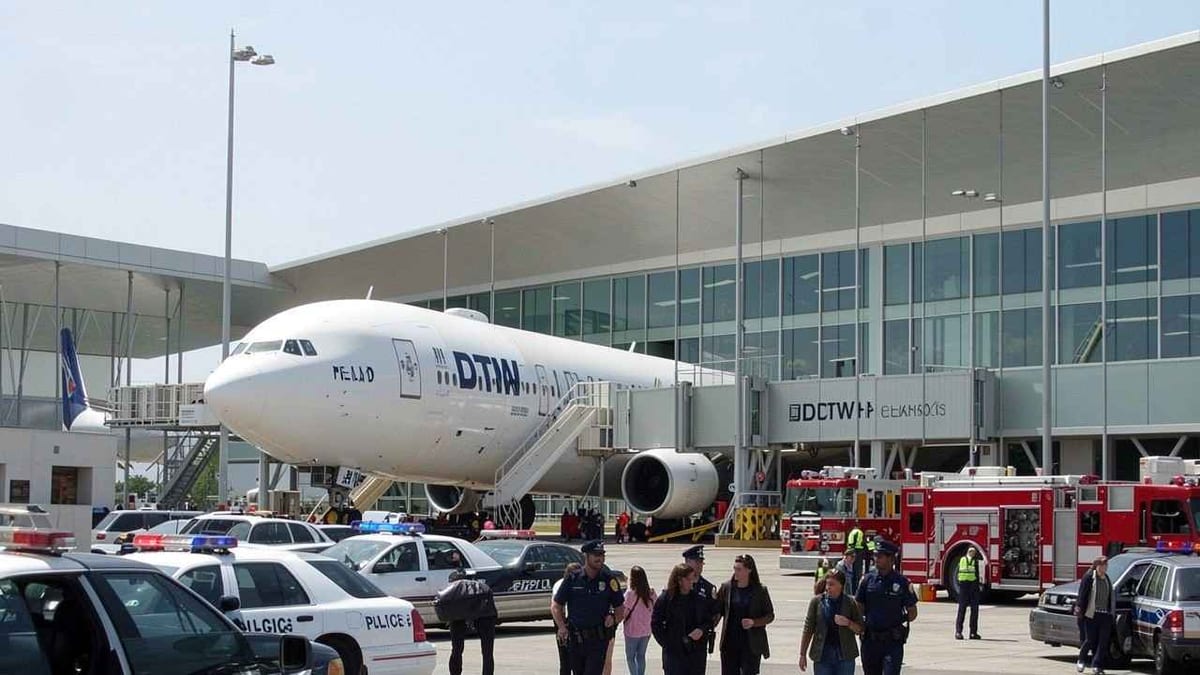
Unplanned Landing Breaks Up Routine Evening Route
Flight information services show that Southwest Airlines flight SWA4489 departed Las Vegas on the evening of July 12 bound for Dallas on a regularly scheduled domestic route using a Boeing 737-800 aircraft. The flight progressed east across the desert southwest before deviating from its filed track and turning toward central Texas.
Publicly available tracking data indicates that, instead of continuing to Dallas, the aircraft began a descent toward San Antonio International Airport, where it landed safely. The diversion added roughly an hour of additional flying compared with a direct routing into the Dallas area, based on typical sector times between Las Vegas, Dallas, and San Antonio.
Operational notices for the national airspace system on July 12 pointed to a busy day for traffic management across multiple regions of the United States, with periodic flow constraints in place at major hubs. While these broader conditions framed the overall operating environment, the specific circumstances that prompted SWA4489 to divert have not been detailed in publicly released statements as of July 13.
Southwest Airlines had not published a detailed description of the event on its main news or advisory channels by Monday morning, and no irregular operations advisory specific to the flight appeared in routine federal aviation bulletins reviewed by travel media.
What Flight-Tracking Data Reveals About the Diversion
Most of the available information about the incident comes from commercial flight-tracking platforms that compile radar, transponder, and schedule data in near real time. These services recorded SWA4489 departing Las Vegas, climbing to cruising altitude, and then altering course toward San Antonio partway through the journey.
Data snapshots typically show a gradual descent profile consistent with a controlled diversion rather than a rapid emergency descent. Arrival times logged at San Antonio correspond with normal runway usage patterns for Southwest Airlines, which operates a significant share of the airport’s passenger traffic.
Travel-industry analysts often use this type of open data to reconstruct diversions when airlines have yet to provide full narratives. Key indicators include the timing of the decision, altitude at which the turn toward the alternate airport occurred, and whether the aircraft remained on the ground afterward or continued on to its original destination with the same or a new flight number.
As of the latest updates reviewed on July 13, SWA4489’s post-diversion routing and any subsequent repositioning flights had not been fully synchronized across public tracking databases, which sometimes lag official airline operations by several hours.
San Antonio’s Role as a Diversion and Relief Airport
San Antonio International Airport frequently functions as a practical diversion point for flights operating across Texas and the south-central United States. The airport sits roughly midway between major hubs such as Dallas and Houston and maintains a strong Southwest Airlines presence, including multiple daily departures to cities across the carrier’s network.
Airport planning documents and historical traffic data describe San Antonio as one of the primary airports in the region by passenger volume, with Terminal A hosting the vast majority of carriers, including Southwest. Its runway configuration and airfield layout allow it to accommodate narrowbody aircraft such as the Boeing 737-800 with ease.
San Antonio has also appeared in past records of unscheduled landings and diversions by various airlines, reflecting its geographic position and available facilities. These prior incidents range from weather-related reroutes to technical checks and medical situations onboard, highlighting the airport’s function as a regional safety valve when flights cannot proceed as planned.
For carriers like Southwest, that role can simplify logistics. Ground staff, maintenance support, and established gate access at San Antonio can make it easier to manage passengers and aircraft after a diversion, whether the airline ultimately decides to continue the itinerary or rebook travelers on alternative services.
Possible Factors Behind the In-Flight Disruption
As of Monday, there was no single, publicly verified explanation for why Southwest flight SWA4489 diverted from its Las Vegas to Dallas routing. In similar events across commercial aviation, common factors include localized weather near the destination, air traffic constraints, technical irregularities that require precautionary landings, or passenger medical situations.
Traffic-planning advisories for July 12 show that airspace managers were balancing storms and congestion in several parts of the country. While Texas was not singled out for the most severe limitations in the documents reviewed, convective weather patterns in the region are typical in midsummer and can lead to holding patterns, reroutes, or diversions when conditions deteriorate near arrival airports.
A Boeing 737-800 diverting to an airport with strong carrier support, such as San Antonio for Southwest, fits standard operational playbooks when crews and dispatchers evaluate alternate airports. Publicly accessible safety and operations research also emphasizes that diversions are often precautionary, designed to keep flight crews from facing rapidly tightening fuel or weather margins near busy hubs.
Because airline and regulator reports on such incidents can take days or weeks to appear in official databases, early information about SWA4489’s diversion remains largely inferential, based on where and how the aircraft landed rather than on detailed technical disclosures.
Impact on Passengers and the Broader Summer Travel Picture
The diversion of SWA4489 unfolded during one of the busiest stretches of the U.S. summer travel season, when schedules are dense and spare capacity is limited across many routes. For passengers onboard, the shift to San Antonio likely resulted in missed connections and extended end-to-end travel times, particularly for those booked onward from Dallas to other destinations.
Recent traveler accounts from various flights highlight how diversions can ripple through itineraries, affecting hotel plans, car rentals, and events at the destination. In most cases, airlines respond by rebooking passengers on later services or, when feasible, by repositioning the same aircraft once it is cleared to continue flying.
Industry research on delays and irregular operations underscores that these disruptions, while frustrating, form a small fraction of overall commercial flights in the United States. Studies of multi-year datasets point to weather, congested airspace, and tightly structured schedules as recurring drivers of operational surprises that can turn an otherwise routine route into a logistical challenge for airlines and airports.
For travelers planning upcoming trips through major hubs such as Dallas or through regional nodes like San Antonio, the episode underscores the value of monitoring flight status tools and building modest buffers into connections, especially during peak summer months when thunderstorms and heavy traffic are most likely to intersect.