


More news on this day
Travelers moving through Portland International Airport are facing a challenging start to the week, as publicly available data for Monday shows 36 delayed flights and three cancellations affecting services operated by Allegiant Air, Alaska Airlines, Horizon Air, United Airlines and other carriers across the United States and Canada.
Get the latest news straight to your inbox!
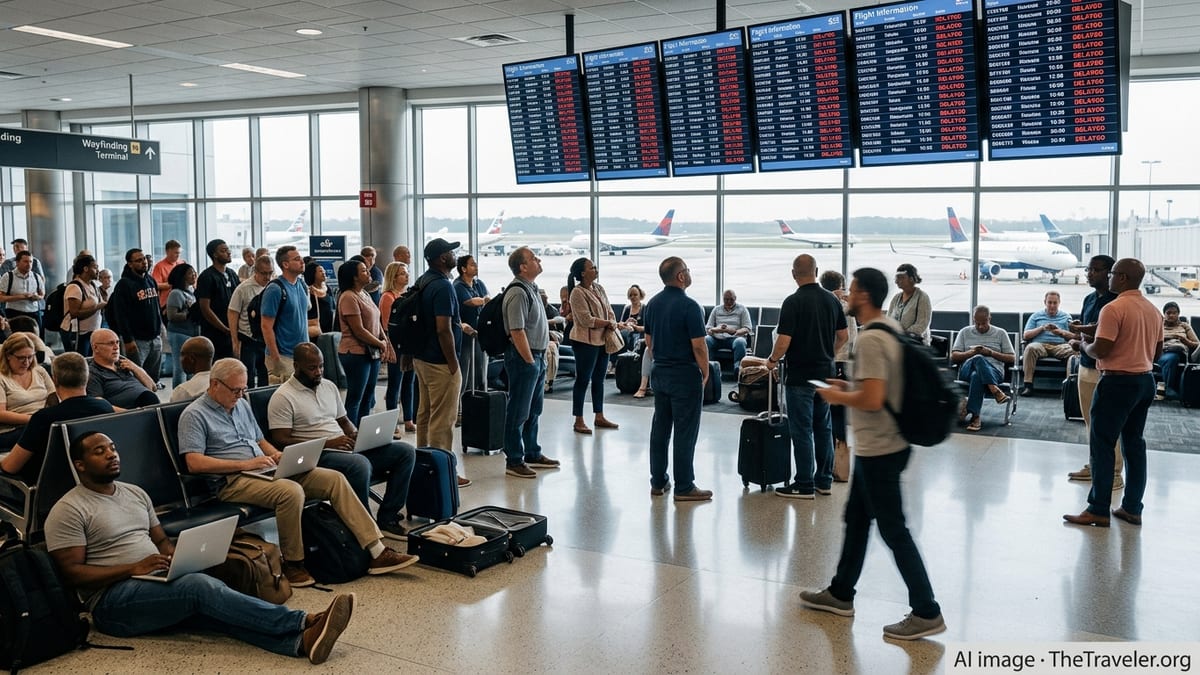
Delays Ripple Across Portland’s Busy Flight Schedule
Operational data for Portland International Airport indicates that more than thirty departures and arrivals experienced schedule disruptions, with delays ranging from minor pushbacks to holds of more than an hour. While the majority of flights ultimately took off or landed, the volume of affected services has strained an already busy summer travel period.
Departures tracking for Portland suggests that, out of more than 250 flights scheduled for the day, a noticeable cluster either departed late or was marked delayed at the gate. Arrivals data reflected a similar pattern, pointing to a system in which minor disruptions compounded across the schedule and created knock-on effects for aircraft and crews turning around in Portland.
Although most flights operated as planned, the concentration of delays over a single day has been enough to complicate connections for passengers traveling onward to other hubs across the country and into Canada. For many travelers, the delays meant missed meetings, compressed layovers and late-night arrivals at their final destinations.
Three flights were ultimately canceled, according to status boards and online trackers, removing critical capacity on affected routes and forcing passengers to seek alternate options, rebook on later services or adjust itineraries entirely.
Multiple Airlines, Shared Operational Strain
The disruptions at Portland have been spread across several major and niche carriers. Alaska Airlines and its regional partner Horizon Air, which together account for a significant share of Portland’s traffic, reported multiple delayed flights on key domestic routes. Publicly visible status updates showed late departures on services to major West Coast and Mountain West destinations, with some aircraft held at the gate while new departure times were assigned.
Allegiant Air, which runs a mix of leisure-focused routes, has been contending with broader operational pressures during the spring and early summer period. The carrier’s travel advisory pages have highlighted the need for passengers to arrive early and monitor their flight status closely, reflecting the heightened chance of schedule adjustments across its network.
United Airlines also appeared among the affected carriers, with selected flights into and out of its mainline hubs running behind schedule. Delays on these services can have outsized impacts for travelers relying on Portland as a starting point for longer itineraries to the East Coast, the Midwest or cross-border destinations in Canada.
Other airlines, including additional domestic and regional operators serving Portland, recorded scattered delays that added to the broader pattern of operational strain at the airport, particularly during peak morning and early afternoon banks.
Weather, Congestion And Network Complexity
While no single overarching cause has been identified, the pattern of disruptions at Portland aligns with a familiar mix of factors common to large North American hubs during the busy travel season. Weather systems across the West Coast and interior regions can trigger ground stops or slowdowns at origin or destination airports, which then cascade into delays for Portland-bound flights later in the day.
Airspace congestion along popular corridors, including routes linking Portland with Southern California, Arizona, Texas and major Midwest hubs, can further complicate operations. When one flight departs late from a downline station, the aircraft and crew often arrive late into Portland, compressing already tight turnaround windows and putting subsequent flights behind schedule.
Operational complexity is magnified by Portland’s role as both a connecting point and an origin-destination market. Aircraft cycling between domestic and cross-border services to Canada rely on carefully timed slots on both sides of the border. When delays develop on earlier legs, they can prompt retimed departures for later flights or, in some cases, make certain rotations no longer viable within crew duty limits.
The result is a network in which a relatively small number of initial disruptions can evolve into dozens of delayed flights and a handful of cancellations as airlines work to rebalance aircraft, assign alternate crews and protect high-priority routes.
Impact On Travelers Across The United States And Canada
The immediate effect of the disruptions has been felt most sharply by travelers departing from or arriving into Portland, but the knock-on impacts extend across the wider network. Passengers bound for cities such as Los Angeles, Phoenix, Dallas, Denver and Chicago, as well as Canadian destinations served via major carrier hubs, have encountered longer journey times and additional time spent in terminals.
Travelers who were scheduled to connect through Portland have faced the risk of misaligned itineraries, especially when late incoming flights left limited time to clear the concourse and reach onward gates. Some have had to be rebooked through alternative hubs or shifted to later flights, complicating arrival plans at the final destination.
Families heading out for early summer vacations, business travelers on tight timetables and visitors returning home after weekend trips have all been affected. For many, the challenge has been not just the delay itself, but also the uncertainty surrounding updated departure times as airlines worked to stabilize their schedules.
In some cases, travelers with canceled flights have needed to secure hotel rooms, ground transportation and meal arrangements at short notice while waiting for the next available departure. These added costs and logistical hurdles have further highlighted the importance of flexibility during peak travel periods.
What Passengers Can Do As Disruptions Continue
Publicly accessible travel advisories and airport guidance emphasize several practical steps for passengers moving through Portland during periods of disruption. Frequent checks of airline mobile apps and airport status boards can provide the most current information about departure times, gate changes and potential rebookings.
Arriving at the airport earlier than usual can create a buffer against long security lines and last-minute schedule changes. With multiple airlines experiencing delays on the same day, queues at check-in counters and security checkpoints can build quickly, especially during morning and evening peaks.
Travel experts frequently recommend building additional connection time into itineraries during busy seasons, particularly when traveling through hubs that serve as key links between regional airports and major domestic and Canadian destinations. Longer layovers can reduce the risk of missed connections when earlier flights depart behind schedule.
Passengers with flexible plans may also benefit from monitoring alternative routings or nearby airports if disruptions at Portland intensify. While most flights ultimately operate, the recent wave of 36 delays and three cancellations underscores how quickly conditions can shift, and how valuable preparation and real-time information can be for anyone traveling through the region.